
Introduction
The sparkling wine market is positioned to benefit from changing consumer preferences, premiumization, expanding social occasions, and growing interest in distinctive beverage experiences. Once strongly associated with celebrations, weddings, and formal events, sparkling wine is increasingly being consumed across casual gatherings, dining occasions, entertainment venues, and everyday social experiences.
Sparkling wine includes a broad range of products differentiated by production method, grape varieties, sweetness, origin, flavor profile, and price positioning. This diversity allows producers to address multiple consumer groups, from buyers seeking affordable options to customers interested in premium and luxury bottles.
The market potential of sparkling wine is therefore shaped not only by rising consumption but also by innovation, geographic expansion, evolving lifestyles, and changing expectations around quality and convenience.
Expanding Premiumization Opportunities
Premiumization represents one of the strongest opportunities for the sparkling wine industry. Consumers in many markets are becoming more interested in product quality, provenance, craftsmanship, and distinctive taste profiles rather than choosing beverages solely according to price.
Premium and luxury sparkling wines can benefit from consumers willing to spend more for special occasions and memorable experiences. Attractive packaging, limited releases, prestigious origins, vintage offerings, and specialized production techniques can strengthen perceived value.
Producers can also use storytelling to differentiate premium products. Information about vineyards, grape varieties, production traditions, aging processes, and regional heritage can create stronger emotional connections with consumers.
This creates opportunities across multiple price tiers rather than limiting growth to luxury products. Mid-premium sparkling wine can appeal to consumers who want an upgraded experience without entering the highest price segment.
Changing Consumption Occasions
The traditional role of sparkling wine as a celebration beverage is gradually expanding. Consumers are increasingly incorporating sparkling beverages into brunches, dinners, parties, festivals, outdoor gatherings, and informal social occasions.
This broader consumption pattern can significantly increase market potential. When a product becomes associated with more everyday occasions, its purchasing frequency can rise beyond seasonal celebrations.
Restaurants, hotels, bars, cafés, and event venues can contribute to this shift by offering sparkling wine through different serving formats and pairing options. Food pairing is particularly important because sparkling wine can complement seafood, poultry, appetizers, desserts, and various international cuisines.
The development of accessible products suitable for casual occasions can further expand consumption among younger adult consumers and first-time buyers.
Growth Through Product Innovation
Product innovation provides another important avenue for market development. Consumers are increasingly looking for variety, and producers can respond through different sweetness levels, flavor profiles, grape combinations, and production approaches.
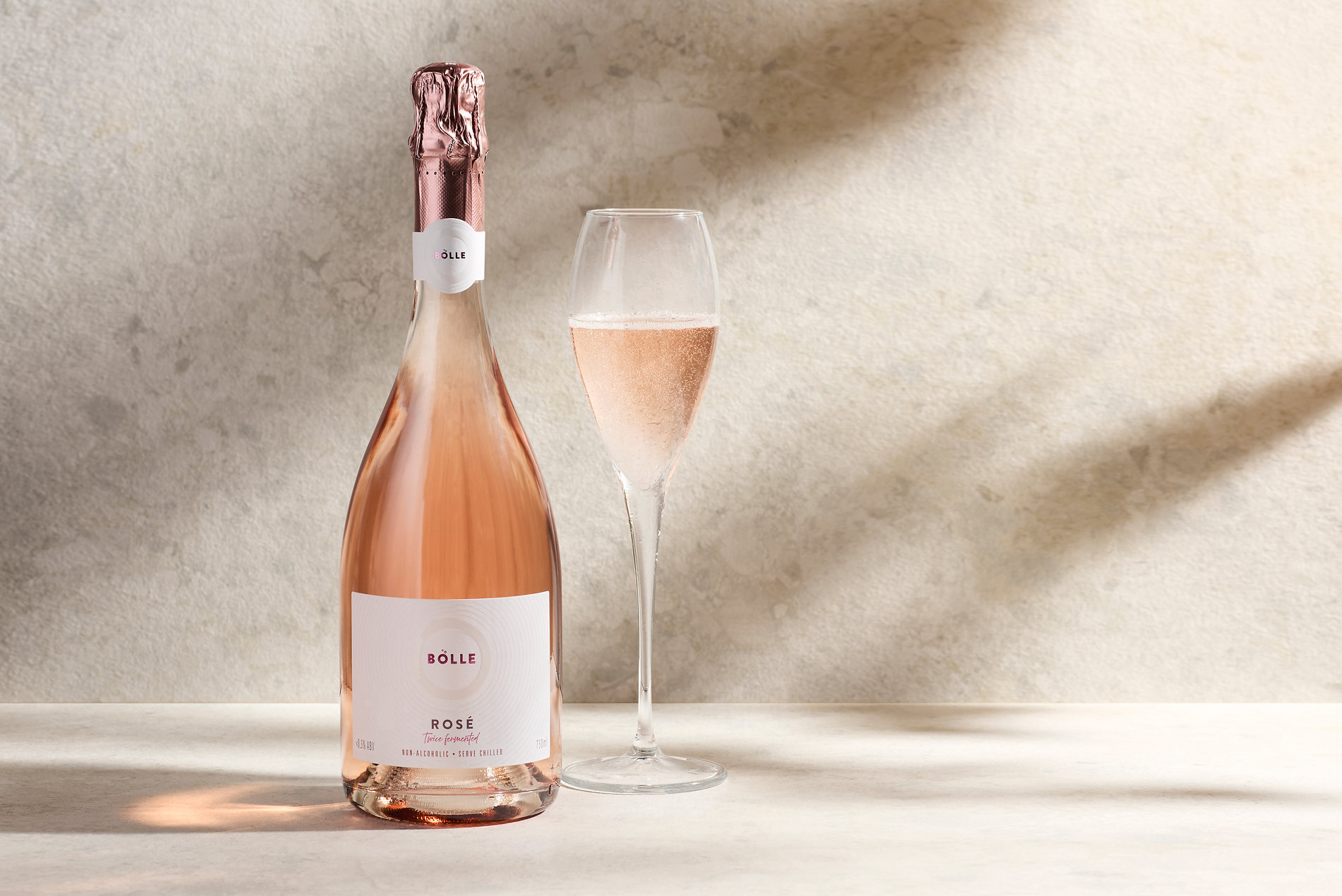
Rosé sparkling wine, for example, can appeal to consumers attracted to distinctive color and fruit-forward profiles. Organic and sustainably produced options can target buyers who consider environmental and production practices when making purchasing decisions.
Packaging innovation also has potential. Smaller bottles, cans, and convenient formats can make sparkling wine more suitable for individual consumption, picnics, travel, outdoor events, and casual gatherings where a full-size bottle may be inconvenient.
At the same time, producers must preserve product quality and premium perception when introducing alternative formats.
Rising Interest in Wine Tourism
Wine tourism can strengthen the long-term potential of sparkling wine by connecting products with experiences. Vineyard visits, cellar tours, tastings, harvest events, and food-pairing experiences allow consumers to engage directly with producers and regional traditions.
Sparkling wine-producing regions can use tourism to build brand recognition beyond their domestic markets. Visitors who experience a product at its place of origin may become repeat buyers after returning home.
Digital storytelling can extend this experience. Virtual vineyard content, behind-the-scenes production videos, interactive packaging, and social media campaigns can help producers communicate authenticity to consumers who may never visit the production region.
Opportunities in Emerging Consumer Markets
Geographic expansion offers considerable potential for sparkling wine producers. Rising disposable incomes, urbanization, hospitality development, and growing exposure to international food and beverage culture can support demand in developing markets.
Large urban populations can be particularly attractive because restaurants, hotels, premium retailers, entertainment venues, and organized events create multiple points of consumption.
Market participants can improve their prospects by adapting products and marketing strategies to local preferences. Rather than applying a single global approach, companies can develop region-specific packaging, pricing, distribution, and promotional strategies.
Education is also important in newer markets. Consumers unfamiliar with different sparkling wine styles may benefit from simple information about flavor, serving temperature, food pairing, and product differences.
E-Commerce and Digital Consumer Engagement
Digital commerce is creating additional opportunities for beverage brands to reach consumers. Online channels allow producers and retailers to present broader selections than many physical stores can accommodate.
Digital platforms can also support personalized recommendations, educational content, promotional campaigns, and direct engagement with consumers. Product pages can explain grape varieties, flavor characteristics, serving suggestions, and pairing ideas, helping buyers make more informed choices.
Social media can further influence purchasing decisions by connecting sparkling wine with lifestyle content, celebrations, travel, food, fashion, and entertainment.
However, companies need to operate within applicable regulations governing the marketing and online sale of alcoholic beverages.
Sustainability as a Competitive Opportunity
Environmental considerations are becoming increasingly relevant across the beverage industry. Sparkling wine producers face opportunities to reduce environmental impact through responsible vineyard management, lighter packaging, recyclable materials, efficient water use, renewable energy, and optimized transportation.
Packaging deserves particular attention because glass bottles can contribute significantly to transportation weight. Producers that successfully reduce packaging weight while maintaining product integrity may improve both sustainability performance and logistical efficiency.
Sustainability can also strengthen brand positioning when environmental claims are supported by transparent and credible practices. Consumers are becoming more attentive to whether sustainability messaging reflects meaningful operational changes rather than simply promotional language.
Regional and Brand Differentiation
The sparkling wine category contains numerous regional styles and established traditions, creating substantial opportunities for differentiation. Producers can emphasize geographical identity, unique grape varieties, production techniques, heritage, or distinctive flavor characteristics.
Newer brands can compete by creating recognizable identities rather than attempting to imitate established luxury labels. Attractive design, innovative positioning, approachable communication, and targeted consumer experiences can help emerging producers gain attention.
Regional differentiation can also encourage consumers to explore products beyond familiar names. As wine enthusiasts become more adventurous, lesser-known producers and regions may find opportunities to build niche audiences.
Challenges That Could Limit Market Potential
Despite its opportunities, the sparkling wine market faces several constraints. Production costs, agricultural uncertainty, changing weather conditions, supply-chain pressures, packaging expenses, and regulatory requirements can affect profitability.
Consumer spending patterns can also influence demand, particularly for premium products. During periods of economic uncertainty, some consumers may shift toward lower-priced alternatives or reduce discretionary purchases.
Competition from other alcoholic beverages and emerging beverage categories creates another challenge. Producers therefore need to demonstrate clear value while maintaining product quality and brand relevance.
Responsible consumption and advertising regulations must also remain central to industry strategies. Sustainable long-term growth depends on responsible marketing and compliance with local laws.
Future Market Potential
The future potential of sparkling wine will increasingly depend on the industry's ability to balance tradition with innovation. Established production heritage remains a powerful asset, but changing consumers expect convenience, variety, transparency, sustainability, and engaging brand experiences.
Producers that successfully combine premium quality with accessible product formats can reach broader consumer groups. Meanwhile, digital engagement, tourism, food pairing, emerging markets, and sustainability initiatives can create additional growth pathways.
The strongest opportunities are likely to emerge where producers understand specific consumer occasions rather than treating sparkling wine as a single homogeneous category. Products designed for celebrations, dining, casual socializing, gifting, tourism, and premium experiences can each address different demand patterns.
Conclusion
The sparkling wine market has significant potential supported by premiumization, expanding consumption occasions, product innovation, digital commerce, tourism, geographic expansion, and sustainability initiatives. Its future growth will not depend solely on increasing traditional consumption but on making sparkling wine relevant to a wider range of lifestyles and experiences.
Companies that invest in differentiated products, compelling branding, responsible practices, convenient formats, and consumer education can strengthen their competitive position. As consumer preferences continue evolving, sparkling wine is likely to remain an adaptable category with opportunities across premium, mainstream, experiential, and emerging market segments.
Comments
Log in or sign up to join the conversation.