
S&P 500 Index (^SPX) remains one of the most trusted measures of stock market performance in the United States. Investors, fund managers, and analysts follow it closely because it represents many of the country’s largest and most influential companies. The index often serves as a snapshot of business confidence, economic activity, and investor sentiment.
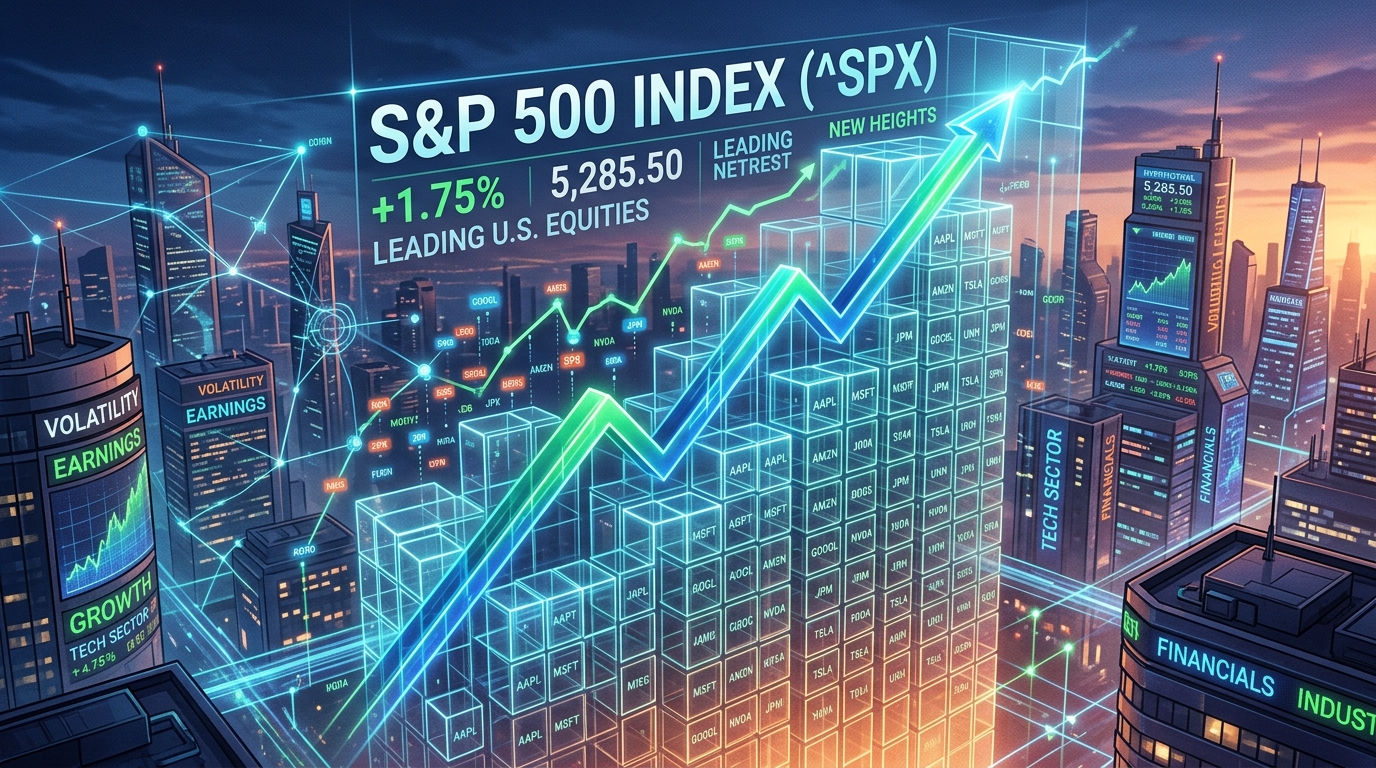
As markets continue to react to changing economic conditions, many investors want to understand what is fueling recent gains. Looking beyond daily price movements can provide valuable insight into the factors that support long-term market growth and influence future investment decisions.
Why the S&P 500 Index (^SPX) Matters
The S&P 500 Index (^SPX) is considered a leading benchmark because it reflects the performance of major businesses across different sectors.
Includes companies from technology, healthcare, finance, and consumer industries.
Tracks a large portion of total U.S. stock market value.
Helps investors evaluate overall market direction.
Reflects changing economic and business conditions.
Provides a broad view of investor confidence.
Its wide coverage makes it an important reference point for both new and experienced investors.
Corporate Earnings Continue Supporting Growth
Strong earnings have been a major reason behind the recent performance of the S&P 500 Index (^SPX).
Many large companies have reported stable revenue growth.
Profit margins have remained healthy in several industries.
Technology firms continue attracting investor interest.
Consumer-focused businesses benefit from steady spending.
Innovation helps companies improve efficiency.
Positive earnings often encourage additional investment.
When businesses perform well, investors typically become more confident about future market prospects.
Economic Trends Influencing Investor Decisions
Economic conditions play a major role in shaping expectations for the S&P 500 Index (^SPX).
Employment levels remain closely monitored.
Inflation trends affect business and consumer activity.
Interest rate expectations influence borrowing costs.
Retail spending provides insight into demand.
Manufacturing data reflects economic strength.
Housing activity can signal broader market conditions.
Investors often analyze these indicators together to understand where markets may be heading next.
For ongoing economic and market coverage, many investors follow Bloomberg Markets for financial news and analysis.
Risks That Could Impact Market Performance
Despite positive momentum, several challenges could affect the S&P 500 Index (^SPX) over time.
Inflation could remain above expectations.
Interest rates may stay elevated longer.
Corporate earnings growth could slow.
Global economic uncertainty may increase.
Political developments may affect confidence.
Market volatility can return unexpectedly.
These risks highlight why investors often balance optimism with careful risk management.
How Long-Term Investors View Opportunities
For many investors with a long-term strategy, the bigger picture of the S&P 500 Index (^SPX) matters more than temporary market swings.
Strong businesses continue expanding operations.
New technologies support future growth.
Consumer demand remains an important driver.
Diversification helps reduce company-specific risk.
Long-term investing can smooth market volatility.
Economic growth supports business development.
This perspective allows investors to stay committed to their strategies even during periods of uncertainty.
Final Thoughts
The S&P 500 Index (^SPX) remains a powerful indicator of market strength and investor sentiment. Strong earnings, economic resilience, and business innovation continue supporting market momentum, while inflation and policy changes remain important risks. Investors who understand these influences can make more informed decisions and maintain realistic expectations. Although markets naturally experience periods of volatility, the index continues to provide valuable insight into the direction of the U.S. economy and the performance of leading American companies over time.
Comments
Log in or sign up to join the conversation.