
Sound baths have become increasingly popular as people look for natural ways to relax, manage everyday stress, and deepen their meditation practices. With this growing interest, many wellness professionals and spiritual practitioners are exploring sound bath teacher training to develop the knowledge and practical skills needed to facilitate meaningful sound-healing sessions.
Whether you are a yoga teacher, meditation instructor, wellness professional, musician, or simply passionate about sound healing, proper training can help you confidently create safe, intentional, and immersive experiences for others.
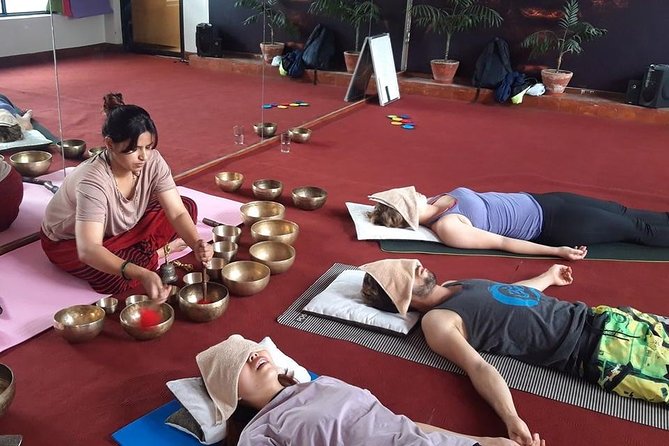
What Is Sound Bath Teacher Training?
Sound bath teacher training is an educational program designed to teach participants how to facilitate sound bath experiences using instruments such as singing bowls, gongs, chimes, drums, tuning forks, and other therapeutic sound instruments.
A sound bath typically involves participants lying or sitting comfortably while a practitioner creates a layered soundscape. The experience may include sustained tones, vibrations, rhythmic patterns, silence, breathwork, or guided meditation.
Teacher training goes beyond learning how to play instruments. It can cover the theory of sound and vibration, session planning, meditation techniques, instrument selection, facilitation skills, professional ethics, and creating a supportive environment for participants.
Why Is Sound Bath Training Important?
Although playing a singing bowl may seem simple, facilitating a complete sound bath requires awareness, preparation, and practice. A structured training program can provide a foundation for using sound intentionally rather than simply producing random tones.
Training can help you learn how to:
Select appropriate sound healing instruments
Understand basic sound and vibration principles
Create structured sound bath sessions
Develop effective facilitation techniques
Combine sound with meditation and breathwork
Create a calm and welcoming environment
Work with different group sizes
Adjust sessions according to participant needs
Develop your own sound bath style
Build confidence as a sound healing facilitator
For people planning to offer sound baths professionally, formal education can also help establish credibility and demonstrate a commitment to responsible practice.
What Do You Learn in Sound Bath Teacher Training?
The exact curriculum varies between programs, but comprehensive training often combines theoretical learning with hands-on practice.
1. Introduction to Sound Healing
A sound bath training program generally begins with an introduction to the history and philosophy of sound-based practices. Students may explore how sound has been incorporated into meditation, spiritual traditions, music, and wellness practices across different cultures.
You may also learn basic concepts related to frequency, resonance, vibration, rhythm, and auditory perception.
The goal is not necessarily to become a scientist of acoustics, but to understand enough about sound to use instruments thoughtfully during a session.
2. Learning Sound Bath Instruments
Hands-on instrument training is one of the most important parts of becoming a sound bath facilitator.
Depending on the course, you may learn how to use:
Crystal singing bowls
Tibetan or Himalayan singing bowls
Gongs
Tuning forks
Chimes
Drums
Shakers
Bells
Monochords
Percussion instruments
Students can learn how different instruments produce different tones, textures, and levels of resonance.
You may also learn how to strike, rub, sweep, or otherwise play instruments appropriately to create a balanced soundscape.
3. Singing Bowl Techniques
Singing bowls are commonly associated with sound baths, making them an important component of many training programs.
Students may practice different playing techniques, including creating sustained tones, transitions between bowls, rhythmic patterns, and changes in intensity.
The emphasis should be on developing control and sensitivity rather than simply making the loudest or longest sound possible.
4. Gong Training
Gongs can create powerful and complex soundscapes. Learning to facilitate a gong bath requires an understanding of how different mallets, striking locations, playing techniques, and dynamics affect the resulting sound.
A training program may teach you how to:
Choose appropriate mallets
Strike the gong safely
Control volume and intensity
Create gradual sound transitions
Use silence effectively
Build an immersive sound journey
Because gongs can produce very strong sounds, responsible facilitation and awareness of participant comfort are particularly important.
5. Meditation and Breathwork
Sound baths are often combined with meditation and relaxation techniques. Teacher training may therefore introduce different methods for helping participants become comfortable and present before the sound experience begins.
A session could start with simple breathing exercises, body awareness, visualization, or a short guided meditation.
For example, participants might be invited to focus on their breath before gradually shifting their attention toward the sounds around them.
6. How to Structure a Sound Bath
A successful sound bath usually benefits from thoughtful structure.
Rather than playing instruments continuously for an extended period, a facilitator may create different stages within the experience.
A basic session could include:
Welcome and introduction
Participant preparation
Breathwork or grounding
Gentle opening sounds
Gradual development of the soundscape
Deeper and more immersive sound experiences
Reduction in intensity
Quiet or silence
Gentle transition back to awareness
Closing reflection
Training helps facilitators understand pacing and transitions so the experience feels intentional rather than disorganized.
The Importance of Silence
One of the most valuable lessons in sound bath facilitation is that silence can be just as important as sound.
Continuous stimulation may become overwhelming for some participants. Carefully placed periods of quiet can give people an opportunity to integrate the experience and notice their breathing, body sensations, and surroundings.
Learning when to play and when to pause is therefore an important part of becoming an effective sound bath teacher.
Creating a Safe Sound Bath Environment
Safety should be a central part of any sound bath training program.
A facilitator should create an environment where participants feel comfortable communicating their needs. This can include explaining that participants can change positions, leave the room, reduce exposure to sound, or stop participating at any time.
Before beginning a session, facilitators should also consider factors such as:
Room acoustics
Instrument volume
Participant comfort
Physical accessibility
Seating or lying arrangements
Emergency access
Personal boundaries
Clear communication
It is also important to avoid making unsupported medical claims about sound healing. A sound bath can be presented as a relaxation, mindfulness, or wellness experience rather than a guaranteed treatment for a medical condition.
Who Can Take Sound Bath Teacher Training?
One of the advantages of sound bath training is that it can be relevant to people from many different backgrounds.
You may consider training if you are:
A yoga teacher
A meditation instructor
A wellness practitioner
A breathwork facilitator
A holistic practitioner
A musician
A massage or spa professional
A retreat facilitator
A spiritual practitioner
Someone interested in sound healing as a personal practice
You do not necessarily need to be an experienced musician. Many programs are designed to introduce beginners to the instruments and fundamental facilitation techniques.
How to Choose the Right Sound Bath Teacher Training
Not every training program will have the same approach, so it is important to compare programs carefully.
Look at the Curriculum
A quality course should provide more than basic instrument demonstrations. Look for training that covers facilitation, session structure, practical application, ethics, safety, and hands-on practice.
Consider the Training Format
Sound bath courses may be offered in different formats, including:
In-person workshops
Online courses
Retreat-based programs
Intensive certification programs
Hybrid training
If possible, hands-on training can be especially useful for developing confidence with instruments.
Research the Instructors
Look at the instructor's experience, qualifications, teaching background, and approach to sound healing.
An experienced instructor can provide practical feedback that is difficult to obtain from self-study alone.
Check What Certification Means
Some programs provide a certificate after completing the course. However, certification requirements can vary significantly between training providers.
Before enrolling, understand what the certificate represents and whether the program has practical assessments, attendance requirements, or other completion criteria.
How Long Does Sound Bath Teacher Training Take?
The length of sound bath teacher training can vary considerably.
Some introductory workshops may last a single day or weekend, while comprehensive programs can take several weeks or months. Intensive retreats may combine multiple days of theory and hands-on practice.
When choosing a program, consider the depth of education rather than focusing only on the number of training hours.
A longer course is not automatically better. The quality of instruction, practical experience, curriculum, and opportunities for feedback are equally important.
Building Your Own Sound Bath Practice
After completing training, the next step is often developing your own facilitation style.
You might begin by offering small sessions to friends, private clients, yoga communities, or wellness groups. This allows you to practice creating transitions, managing instruments, speaking to groups, and responding to different environments.
Over time, you can experiment with different session themes.
For example, you could create sound baths focused on:
Deep relaxation
Mindfulness
Meditation
Stress reduction
Evening relaxation
Yoga recovery
Personal reflection
Retreat experiences
The key is to develop a style that feels authentic while maintaining professional boundaries and participant safety.
Sound Bath Teacher Training and Yoga
Sound baths can complement yoga and meditation practices particularly well. Yoga teachers may incorporate short sound experiences into classes, workshops, retreats, or dedicated sound bath events.
For example, a yoga session might conclude with several minutes of singing bowls and gentle sound meditation. Alternatively, a retreat could offer a dedicated evening sound bath as part of its wellness program.
Combining these practices can create a more immersive experience for participants while allowing instructors to expand their range of offerings.
What Makes a Good Sound Bath Facilitator?
Technical knowledge is only one part of becoming a successful sound bath teacher.
A strong facilitator should also develop:
Presence: Participants often respond to the facilitator's energy and communication style. Staying calm and attentive can help establish a peaceful environment.
Listening skills: Every group is different. A facilitator should pay attention to participant feedback and adjust accordingly.
Patience: Learning instruments and creating effective soundscapes takes practice.
Creativity: Sound baths do not need to follow one rigid formula. Creativity can help you develop distinctive sessions.
Professionalism: Clear communication, appropriate boundaries, punctuality, preparation, and respect for participants are essential.
Is Sound Bath Teacher Training Worth It?
For someone who wants to facilitate sound baths professionally or incorporate sound into an existing wellness practice, structured training can be a valuable investment.
Self-study can introduce you to singing bowls, gongs, and other instruments, but formal training can provide organized learning, practical experience, instructor feedback, and greater confidence.
Most importantly, training can help you understand that sound bath facilitation is not simply about playing instruments. It involves creating a complete experience that considers preparation, sound selection, pacing, environment, communication, and participant comfort.
Final Thoughts
Sound bath teacher training can provide a strong foundation for anyone interested in guiding others through immersive sound and relaxation experiences. From learning singing bowls and gongs to understanding meditation, session structure, safety, and facilitation, comprehensive training can turn an interest in sound healing into a practical skill.
Whether you want to complement an existing yoga or wellness career or develop a dedicated sound bath practice, choosing a thoughtful training program is an important first step. With consistent practice, responsible facilitation, and a genuine commitment to creating supportive experiences, you can develop the confidence to guide meaningful sound bath sessions.
Comments
Log in or sign up to join the conversation.