
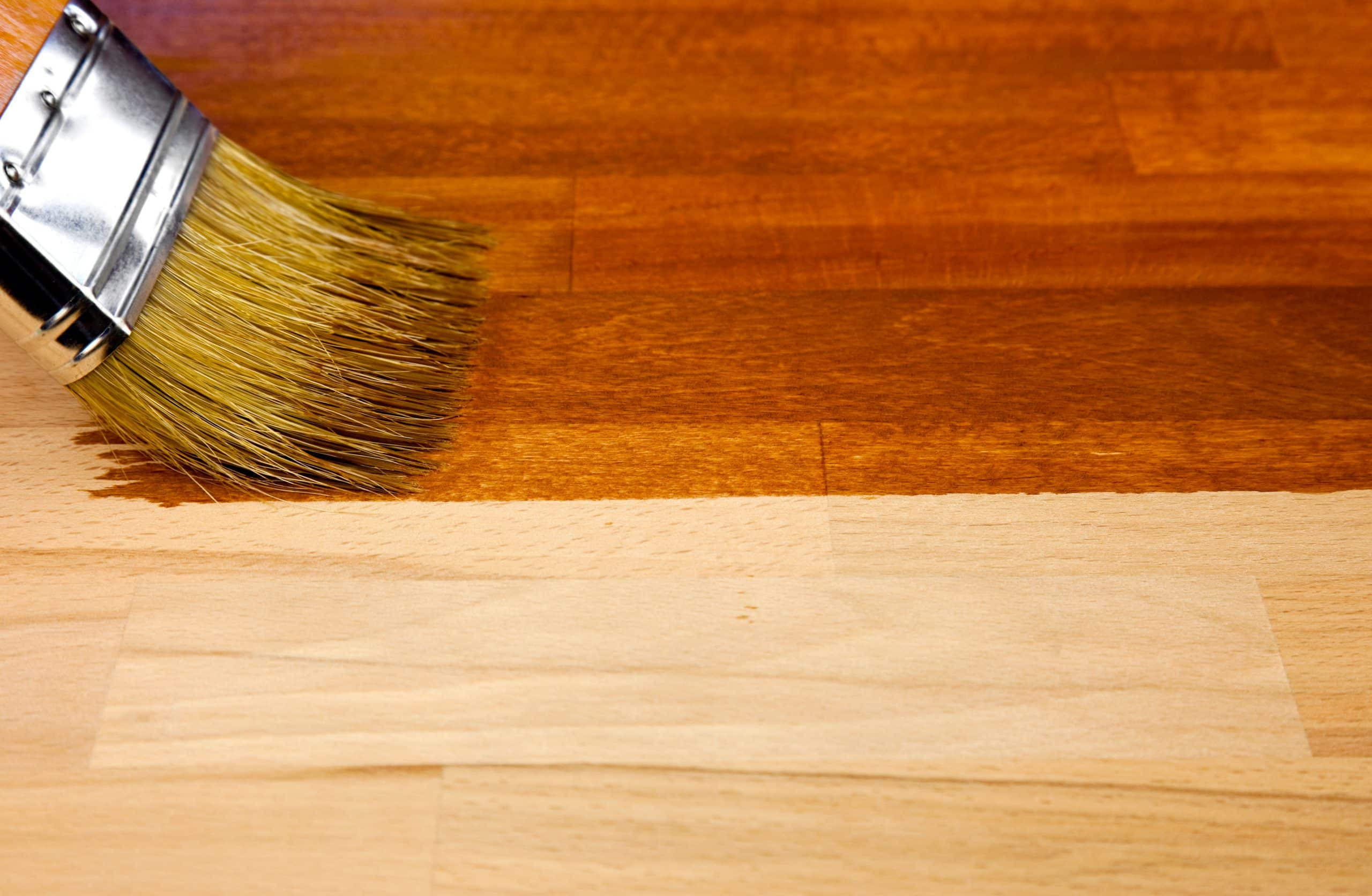
solvent based polyurethane is a versatile and high-performance coating widely used in industrial, automotive, woodworking, and leather finishing applications. Known for its durability, chemical resistance, and glossy finish, this coating ensures long-lasting protection and aesthetic appeal for a wide range of surfaces. Understanding its properties, benefits, and applications is crucial for manufacturers, craftsmen, and designers.
What Is Solvent Based Polyurethane?
Solvent based polyurethane (PU) is a polymer coating dissolved in a solvent to create a liquid formulation that can be applied to various surfaces. Once applied, the solvent evaporates, leaving a tough, durable polyurethane layer that protects surfaces from scratches, chemicals, UV rays, and wear.
Key Features of Solvent Based Polyurethane
Durable Finish: Provides strong, long-lasting protection against scratches and abrasions.
Chemical Resistance: Resists exposure to oils, solvents, and cleaning agents.
UV Stability: Protects surfaces from yellowing and degradation caused by sunlight.
High Gloss and Aesthetic Appeal: Produces smooth, glossy surfaces for a premium finish.
Versatility: Suitable for wood, metal, leather, and plastic surfaces.
Advantages of Using Solvent Based Polyurethane
Superior Protection: Enhances the durability and lifespan of treated surfaces.
Versatile Application: Can be used on furniture, flooring, automotive parts, and leather products.
Enhanced Appearance: Produces a rich, glossy, and professional finish.
Resistance to Wear and Chemicals: Ideal for high-traffic areas or frequently handled items.
Ease of Application: Can be sprayed, brushed, or rolled for different project requirements.
Applications of Solvent Based Polyurethane
Wood Finishing: Protects furniture, flooring, and cabinetry while enhancing natural wood grain.
Leather Coating: Provides durability, gloss, and chemical resistance for PU or synthetic leather.
Automotive: Coats and protects vehicle parts, dashboards, and interior trim.
Industrial Surfaces: Protects machinery, tools, and equipment from wear and chemicals.
Marine Applications: Offers water and corrosion resistance for boats and marine equipment.
Solvent Based vs Water-Based Polyurethane
Feature | Solvent Based Polyurethane | Water-Based Polyurethane |
Durability | High | Moderate to High |
Chemical Resistance | Excellent | Moderate |
Drying Time | Slower | Faster |
VOC Levels | High | Low |
Gloss Finish | High | Moderate |
Tips for Working With Solvent Based Polyurethane
Proper Ventilation: Use in well-ventilated areas to reduce exposure to fumes.
Protective Gear: Wear gloves, goggles, and masks during application.
Surface Preparation: Clean, sand, and prime surfaces for best adhesion.
Application Techniques: Apply in thin, even coats to avoid runs and bubbles.
Storage: Keep in tightly sealed containers away from heat and open flames.
FAQs About Solvent Based Polyurethane
1. What surfaces can solvent based polyurethane be applied to?
It can be used on wood, metal, plastic, leather, and other durable surfaces requiring protective coating.
2. How does solvent based polyurethane compare to water-based polyurethane?
Solvent based PU offers higher durability, chemical resistance, and a glossier finish, but has higher VOCs and longer drying time.
3. Is it safe to use solvent based polyurethane indoors?
Yes, if proper ventilation and protective equipment are used, it can be safely applied indoors.
Conclusion
Solvent based polyurethane is a versatile and durable coating solution for wood, leather, metal, and industrial surfaces. Its chemical resistance, UV stability, and high-gloss finish make it ideal for both aesthetic and protective applications. For detailed specifications and trusted sources, explore this resource to ensure quality, longevity, and professional results in your projects.
Comments
Log in or sign up to join the conversation.