

Introduction
According to TechSci Research report, “Soft Robotics Market Size- Global Industry Share, Trends, Competition Forecast & Opportunities, 2030F”. Global Soft Robotics Market was valued at USD 613.3 million in 2024 and is expected to reach USD 1111.31 million by 2030 with a CAGR of 10.25% through 2030.
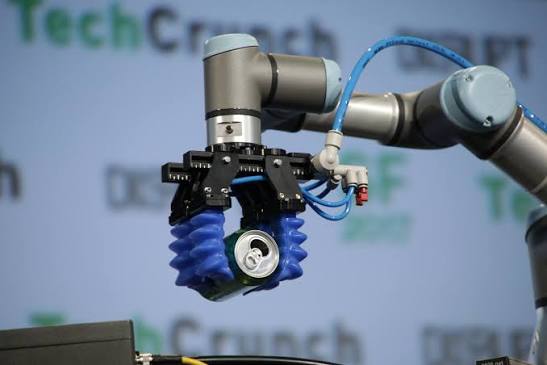
The evolution of robotics has entered a transformative phase with the emergence of soft robotics, a technology that is redefining how machines interact with humans, delicate objects, and dynamic environments. Unlike conventional rigid robots that rely on metallic structures and fixed movements, soft robots are designed using flexible materials such as elastomers, silicone, hydrogels, and advanced polymers. These robots closely mimic the movements of biological organisms, enabling them to bend, stretch, twist, and adapt to complex tasks with remarkable precision and safety.
The increasing adoption of automation across manufacturing, healthcare, agriculture, logistics, food processing, consumer electronics, and warehousing is creating significant opportunities for the global soft robotics industry. As businesses seek automation systems capable of handling fragile products, collaborating safely with humans, and performing intricate operations, soft robotics has emerged as one of the most promising next-generation technologies.
The growing demand for collaborative robots (cobots), AI-powered automation, smart factories, minimally invasive surgery, precision agriculture, and intelligent manufacturing continues to accelerate investments in soft robotic technologies. These systems provide superior flexibility, enhanced safety, reduced operational costs, and improved productivity compared to traditional robotic solutions.
As industries increasingly adopt Industry 4.0 technologies and digital transformation strategies, soft robotics is expected to become a vital component of intelligent automation ecosystems worldwide.
Request For Sample Copy of Report For More Detailed Market insight
Industry Key Highlights
Global Soft Robotics Market valued at USD 613.3 Million in 2024
Expected to reach USD 1,111.31 Million by 2030
Forecast CAGR of 10.25%
Soft Grippers dominate the global market
Asia Pacific is the fastest-growing regional market
Healthcare remains one of the fastest-expanding application areas
AI integration improving robotic intelligence
Industry 4.0 accelerating adoption across manufacturing
Material science innovations enhancing robot flexibility
Growing investments in collaborative robotics
Market Overview
The Soft Robotics Market represents one of the fastest-evolving segments within the global robotics industry. Soft robots are specifically designed to perform tasks requiring adaptability, gentle manipulation, flexibility, and safe human interaction.
Traditional industrial robots perform repetitive, high-speed operations effectively but often struggle with irregularly shaped, fragile, or delicate objects. Soft robotic systems overcome these limitations by utilizing compliant materials capable of adapting their shape according to surrounding environments.
Industries including food processing, pharmaceuticals, healthcare, agriculture, logistics, packaging, electronics manufacturing, aerospace, and consumer goods increasingly rely on soft robotic technologies to improve automation efficiency while minimizing product damage.
The integration of Artificial Intelligence, machine learning, computer vision, advanced sensors, cloud computing, and edge analytics is further expanding the capabilities of soft robots, enabling autonomous decision-making and intelligent object manipulation.
Market Growth Dynamics
Growing labor shortages, rising manufacturing costs, increasing quality standards, and expanding industrial automation continue driving market expansion.
Organizations are increasingly investing in robotic solutions capable of improving operational efficiency without compromising worker safety.
Soft robotics also addresses growing demand for flexible manufacturing systems capable of adapting to customized production, shorter product life cycles, and dynamic manufacturing environments.
Continuous innovation in materials engineering, sensor technologies, actuator development, and AI-powered control systems further strengthens long-term market growth.
MAIN DRIVERS & TRENDS
Growing Demand for Industrial Automation
Automation remains one of the strongest growth drivers for the Soft Robotics Market.
Manufacturers worldwide continue modernizing production facilities to improve productivity, reduce operational costs, and enhance product consistency.
Soft robots provide unique advantages by handling delicate products without causing damage while maintaining high operational speed.
Industries processing food, pharmaceuticals, medical devices, electronics, and consumer goods increasingly adopt soft robotic solutions for packaging, assembly, inspection, and material handling.
The ability to safely collaborate alongside human workers further increases their industrial value.
Expansion of Healthcare Robotics
Healthcare has become one of the most promising application areas for soft robotics.
Medical professionals increasingly utilize soft robotic technologies for minimally invasive surgery, rehabilitation, wearable assistive devices, prosthetics, and patient care.
Unlike rigid surgical instruments, soft robotic systems offer greater flexibility and precision while minimizing tissue damage during surgical procedures.
Soft exoskeletons are also helping patients recover mobility following neurological disorders, spinal injuries, and orthopedic surgeries.
As healthcare systems increasingly embrace digital technologies, demand for intelligent medical robotics will continue expanding.
Agricultural Modernization
Agriculture is experiencing rapid technological transformation.
Soft robots enable farmers to automate harvesting, crop monitoring, fruit picking, and quality inspection while minimizing crop damage.
Unlike conventional harvesting equipment, soft robotic grippers gently handle delicate fruits and vegetables, significantly reducing waste.
Growing concerns regarding food security and agricultural labor shortages continue driving investment in agricultural robotics.
Industry 4.0 Accelerating Adoption
Industry 4.0 continues transforming global manufacturing.
Factories increasingly integrate Artificial Intelligence, Industrial Internet of Things (IIoT), cloud computing, robotics, digital twins, predictive analytics, and automation into intelligent manufacturing ecosystems.
Soft robots fit naturally within these environments due to their adaptability, collaborative capabilities, and compatibility with smart production systems.
Their flexibility allows manufacturers to respond quickly to changing production requirements while improving efficiency.
Emerging Trends
Artificial Intelligence Creating Smarter Robots
Artificial Intelligence has become one of the most influential trends within the Soft Robotics Market.
AI-powered soft robots continuously learn from operational data, improving movement accuracy, object recognition, grip control, and task optimization.
Machine learning algorithms enable robots to adapt automatically to changing environments while minimizing operational errors.
Future AI-powered robots will increasingly perform autonomous decision-making without constant human intervention.
Advanced Material Science
Innovations in material science continue revolutionizing soft robotic development.
Researchers are developing lightweight polymers, smart materials, self-healing elastomers, shape-memory alloys, and bio-inspired materials that significantly improve robotic flexibility and durability.
These materials enable robots to perform increasingly complex movements while extending operational life.
Material innovation remains one of the strongest enablers of next-generation soft robotic systems.
Collaborative Robots Becoming Mainstream
Collaborative robotics continues gaining momentum worldwide.
Unlike conventional industrial robots requiring protective cages, collaborative soft robots safely operate alongside human workers.
Their flexible structures significantly reduce workplace injury risks while improving operational efficiency.
Manufacturers increasingly deploy collaborative soft robots across assembly lines, logistics centers, laboratories, and warehouses.
Computer Vision Enhancing Precision
Advanced vision technologies are improving robotic intelligence.
High-resolution cameras combined with AI-powered image recognition enable soft robots to identify object size, shape, texture, orientation, and movement with exceptional accuracy.
This capability significantly improves robotic performance across packaging, food processing, healthcare, agriculture, and logistics applications.
Real-World Use Cases
Soft robotics is transforming numerous industries through practical applications.
Food processing companies utilize soft grippers to package delicate fruits without bruising.
Hospitals employ robotic surgical systems to perform minimally invasive procedures with enhanced precision.
Farmers use robotic harvesters to collect tomatoes, strawberries, grapes, and vegetables while minimizing crop damage.
Warehouses deploy collaborative robots to automate order fulfillment and package sorting.
Pharmaceutical manufacturers rely on soft robots for contamination-free handling of sensitive medical products.
Electronics manufacturers automate assembly of fragile semiconductor components using intelligent robotic grippers.
Rehabilitation centers utilize robotic wearable devices to help patients regain mobility following injuries.
Research institutions employ soft robots for underwater exploration and environmental monitoring.
Competitive Landscape
The Global Soft Robotics Market is becoming increasingly competitive as leading robotics manufacturers, technology companies, research organizations, and startups continue investing in next-generation robotic technologies.
Competition focuses on innovation in artificial intelligence, advanced materials, pneumatic actuators, intelligent sensors, machine learning algorithms, computer vision, cloud robotics, and collaborative automation.
Strategic partnerships, acquisitions, research collaborations, and product innovation remain primary growth strategies.
Major companies operating within the market include:
Soft Robotics Inc.
FANUC Corporation
RightHand Robotics, Inc.
KUKA Aktiengesellschaft
Yaskawa Electric Corporation
BionicHIVE
Pneubotics Inc.
Shadow Robot Company
Challenges & Outlook
Despite its promising future, the Soft Robotics Market continues facing several challenges.
The high cost of advanced materials, product development, system integration, and specialized manufacturing processes remains one of the primary barriers to wider adoption.
Many organizations also face challenges integrating soft robotic technologies with existing automation infrastructure.
Durability, maintenance requirements, limited standardization, and workforce training continue requiring industry attention.
Nevertheless, ongoing advances in material science, Artificial Intelligence, cloud robotics, and manufacturing technologies are expected to reduce costs while improving commercial scalability.
Future Outlook
The future of the Global Soft Robotics Market appears exceptionally promising as industries increasingly prioritize automation systems capable of combining flexibility, intelligence, safety, and efficiency.
Artificial Intelligence, machine learning, smart sensors, cloud computing, digital twins, advanced polymers, and bio-inspired engineering will continue reshaping robotic capabilities.
Growing investments in healthcare automation, smart manufacturing, precision agriculture, warehouse robotics, and collaborative industrial systems will create substantial growth opportunities.
Future soft robots are expected to become increasingly autonomous, capable of learning new tasks independently, adapting to dynamic environments, and collaborating seamlessly with human workers.
As technological innovation continues accelerating, soft robotics will play an increasingly central role in building safer, smarter, and more sustainable industrial ecosystems.
10 Benefits of the Research Report
Provides detailed market size estimates and long-term growth forecasts.
Offers comprehensive analysis of key market drivers, challenges, and opportunities.
Identifies emerging technologies shaping the future of soft robotics.
Examines segmentation across type, application, and region.
Profiles leading market participants and evaluates competitive positioning.
Supports strategic investment and expansion planning.
Highlights regional growth opportunities and investment hotspots.
Delivers actionable insights for manufacturers, investors, and technology providers.
Assists businesses in understanding evolving automation trends.
Enables informed decision-making through comprehensive market intelligence.
Contact US:
Techsci Research LLC
420 Lexington Avenue, Suite 300,
New York, United States- 10170
Tel: +13322586602
Email: [email protected]
Comments
Log in or sign up to join the conversation.