

Introduction
According to TechSci Research report, “Smart Hospitality Market Size- Global Industry Share, Trends, Competition Forecast & Opportunities, 2031F, The Global Smart Hospitality Market is projected to grow from USD 17.19 Billion in 2025 to USD 57.27 Billion by 2031 at a 22.21% CAGR.
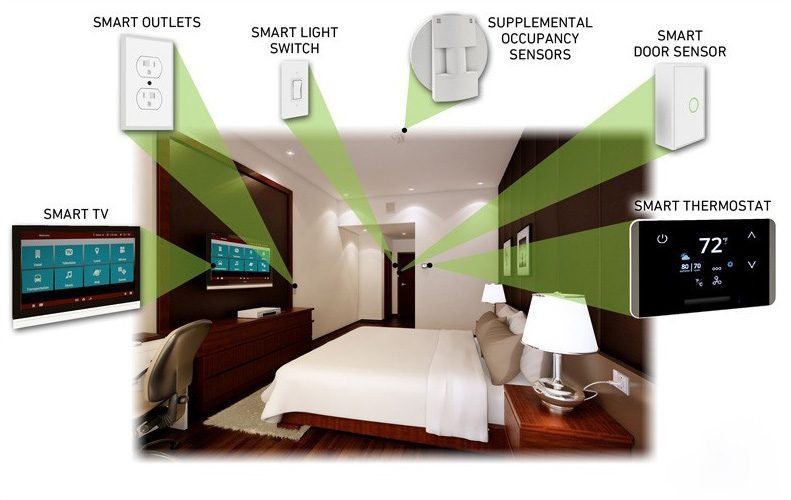
The global hospitality industry is undergoing a profound digital transformation, driven by rapidly evolving consumer expectations, technological advancements, and the growing need for operational efficiency. Smart hospitality has emerged as a transformative concept that integrates advanced technologies such as Artificial Intelligence (AI), the Internet of Things (IoT), cloud computing, big data analytics, machine learning, and automation into hospitality operations to deliver enhanced guest experiences and streamline business processes.
As travelers increasingly seek personalized, seamless, and technology-driven experiences, hospitality providers are investing heavily in smart solutions that improve convenience, comfort, safety, and sustainability. From contactless check-ins and voice-controlled room environments to AI-powered concierge services and intelligent energy management systems, smart hospitality technologies are reshaping how hotels, resorts, cruise ships, and luxury accommodations engage with guests.
As digital transformation becomes a strategic priority across the hospitality sector, smart hospitality solutions are expected to become essential infrastructure rather than optional enhancements. The convergence of guest expectations, sustainability goals, and operational optimization is creating substantial opportunities for technology providers and hospitality operators worldwide.
Request For Sample Copy of Report For More Detailed Market insight: https://www.techsciresearch.com/sample-report.aspx?cid=29427#requestform
Industry Key Highlights
Global Smart Hospitality Market expected to reach USD 57.27 billion by 2031.
Strong CAGR of 22.21% forecast during the study period.
Rising demand for personalized guest experiences driving market expansion.
Increasing adoption of IoT-enabled smart hospitality infrastructure.
Artificial intelligence transforming customer engagement and operational efficiency.
Sustainability initiatives accelerating smart technology investments.
Cruise segment emerging as the fastest-growing end-user category.
Asia Pacific identified as the fastest-growing regional market.
Cloud-based deployment models gaining significant traction.
Smart energy management systems becoming standard across hospitality properties.
Key Market Drivers
Growing Demand for Personalized Guest Experiences
One of the most significant drivers of the Smart Hospitality Market is the increasing demand for personalized guest experiences.
Modern travelers expect hospitality providers to understand their preferences and deliver customized services throughout their stay. Personalization has evolved from a value-added service to a core expectation among guests across all accommodation categories.
Smart hospitality platforms leverage artificial intelligence, machine learning, and advanced analytics to collect data from multiple guest touchpoints. This information allows operators to tailor room settings, dining recommendations, entertainment options, wellness programs, and promotional offers according to individual preferences.
For example, returning guests can automatically receive their preferred room temperature, pillow type, lighting configuration, and dining suggestions upon arrival. Such personalized interactions create memorable experiences that foster customer loyalty and positive reviews.
As competition intensifies within the hospitality sector, personalization will continue to be a critical differentiator driving investment in smart technologies.
Rising Adoption of Internet of Things (IoT) Technologies
The rapid adoption of IoT technologies is significantly contributing to market growth.
IoT-enabled devices allow hospitality operators to connect rooms, facilities, and operational systems through a unified digital network. Smart sensors, connected appliances, occupancy detectors, and intelligent control systems provide real-time insights into guest behavior and property performance.
These technologies enable automated lighting, climate control, security monitoring, predictive maintenance, and resource management. IoT connectivity enhances operational efficiency while delivering superior guest convenience.
The increasing availability of affordable IoT solutions is encouraging broader adoption across hospitality properties of all sizes.
Accelerating Digital Transformation Across Hospitality
Digital transformation initiatives are reshaping the hospitality landscape.
Hotels and resorts are increasingly investing in cloud-based platforms, mobile applications, contactless technologies, and AI-driven services to improve operational efficiency and customer engagement.
Digital transformation enables hospitality operators to streamline workflows, reduce manual processes, and create integrated guest experiences across multiple channels.
As hospitality businesses continue prioritizing innovation and competitiveness, investments in smart hospitality infrastructure are expected to grow substantially.
Increasing Focus on Operational Efficiency
Hospitality providers are continuously seeking ways to optimize operations and improve profitability.
Smart hospitality solutions automate routine tasks such as check-in, room service requests, maintenance scheduling, inventory management, and energy monitoring. Automation reduces labor costs, improves service consistency, and enhances productivity.
Advanced analytics provide actionable insights that help managers optimize staffing levels, pricing strategies, and resource allocation.
The ability to achieve operational excellence while maintaining high service standards is a major driver of smart hospitality adoption.
Rising Consumer Preference for Contactless Services
Consumer behavior has shifted significantly toward contactless and self-service experiences.
Guests increasingly prefer mobile check-ins, digital room keys, contactless payments, virtual concierge services, and voice-controlled room environments.
Smart hospitality technologies support these preferences by minimizing physical interactions while enhancing convenience and safety.
This trend is expected to remain influential throughout the forecast period.
Emerging Trends in the Smart Hospitality Market
Artificial Intelligence-Powered Guest Engagement
Artificial intelligence is transforming guest engagement strategies across the hospitality industry.
AI-powered chatbots, virtual assistants, recommendation engines, and predictive analytics tools enable hospitality providers to deliver personalized interactions at scale.
These technologies can answer guest inquiries, provide travel recommendations, process service requests, and anticipate customer needs based on historical behavior.
AI is helping hospitality businesses create more responsive, efficient, and personalized guest experiences.
Smart Rooms Becoming the New Standard
Smart rooms are rapidly becoming a defining feature of modern hospitality.
Guests can control lighting, temperature, curtains, entertainment systems, and room services through mobile applications or voice commands.
These intelligent environments enhance comfort and convenience while reducing energy consumption.
As consumer expectations evolve, smart room technologies are expected to become standard offerings across hospitality properties worldwide.
Integration of Cloud-Based Hospitality Platforms
Cloud computing is revolutionizing hospitality management.
Cloud-based property management systems provide centralized control over reservations, guest information, housekeeping, billing, and operational analytics.
These platforms improve scalability, accessibility, and collaboration while reducing infrastructure costs.
The flexibility offered by cloud solutions is driving widespread adoption across the industry.
Expansion of Contactless Hospitality Ecosystems
Contactless technologies continue to gain momentum.
From digital check-ins and facial recognition systems to mobile room keys and cashless transactions, hospitality providers are investing in technologies that minimize friction and improve guest convenience.
The expansion of contactless ecosystems reflects changing consumer expectations and ongoing digital transformation efforts.
Growth of Predictive Analytics
Predictive analytics is becoming an essential tool for hospitality operators.
By analyzing guest behavior, booking trends, occupancy patterns, and operational data, predictive models help businesses optimize pricing, marketing, staffing, and inventory management.
Predictive insights improve decision-making and support revenue growth strategies.
Sustainability Through Smart Technology
Sustainability has emerged as a defining trend within the Smart Hospitality Market.
Hotels, resorts, and cruise operators are increasingly adopting intelligent systems to reduce environmental impact and improve resource efficiency.
Smart energy management systems monitor electricity, water consumption, and heating requirements in real time. Automated controls adjust resource usage based on occupancy and operational needs.
These technologies not only reduce costs but also support environmental sustainability goals and green certification initiatives.
Regional Analysis
Asia Pacific: The Fastest-Growing Regional Market
Asia Pacific has emerged as the fastest-growing region in the global Smart Hospitality Market.
Rapid urbanization, increasing tourism activity, rising disposable incomes, and expanding middle-class populations are driving demand for advanced hospitality experiences across the region.
Countries such as China, India, Japan, South Korea, Singapore, and Australia are witnessing significant investments in hospitality infrastructure and digital transformation initiatives.
Governments across the region are actively promoting smart city projects and digital innovation programs that support the adoption of IoT-enabled hospitality technologies.
Improving internet connectivity, growing smartphone penetration, and increasing cloud adoption further facilitate the deployment of smart hospitality solutions.
The region's dynamic economic growth and expanding tourism industry position Asia Pacific as a major growth engine for the global market.
North America
North America remains a significant market due to its mature hospitality industry, advanced technology infrastructure, and strong focus on innovation.
Hotels and resorts across the region are early adopters of AI, IoT, and cloud-based hospitality solutions.
Europe
Europe continues to experience strong growth driven by sustainability initiatives, luxury tourism, and digital transformation strategies.
The region's emphasis on environmental responsibility is accelerating investments in energy-efficient hospitality technologies.
Middle East & Africa
The Middle East is emerging as a key market due to large-scale tourism projects, luxury hospitality developments, and smart city initiatives.
Countries in the region are investing heavily in next-generation hospitality infrastructure.
South America
South America presents growing opportunities as tourism development and digital transformation efforts gain momentum.
Increasing adoption of smart technologies is supporting modernization across the hospitality sector.
Competitive Analysis
Intel Corporation
Siemens AG
Samsung Electronics Co., Ltd.
Honeywell International Inc.
KONE Corporation
Oracle Corporation
Johnson Controls International plc
Schneider Electric SE
Customers can also request for 10% free customization on this report.
Market Challenges
Despite strong growth prospects, several challenges remain.
High implementation costs can discourage adoption among smaller hospitality providers.
Data privacy and cybersecurity concerns require continuous investment in protective measures.
Integration complexities associated with legacy systems may create deployment challenges.
Additionally, workforce training and change management remain critical considerations during technology adoption.
Future Outlook
The future of the Global Smart Hospitality Market appears exceptionally promising. As traveler expectations continue evolving toward personalized, connected, and sustainable experiences, hospitality providers will increasingly rely on smart technologies to maintain competitiveness.
Artificial intelligence, machine learning, IoT, cloud computing, and automation will continue reshaping hospitality operations and guest engagement strategies. Smart rooms, digital concierge services, predictive analytics, intelligent energy management, and contactless ecosystems will become integral components of modern hospitality infrastructure.
Sustainability initiatives will further accelerate technology adoption as organizations seek to reduce environmental impact and improve operational efficiency. The cruise segment and Asia Pacific region are expected to remain key growth contributors, while innovation across hotels, resorts, and luxury accommodations will drive market expansion worldwide.
As digital transformation becomes a strategic necessity rather than a competitive advantage, the Smart Hospitality Market is poised to experience sustained and robust growth throughout the forecast period.
10 Benefits of the Research Report
1. Comprehensive Market Understanding
Provides detailed insights into market dynamics, trends, and growth opportunities.
2. Strategic Business Planning
Supports long-term planning and informed decision-making.
3. Competitive Intelligence
Offers valuable analysis of key market participants and strategies.
4. Market Forecasting
Provides reliable growth projections and future market outlook.
5. Trend Identification
Highlights emerging technologies and industry developments.
6. Opportunity Assessment
Identifies high-growth segments and untapped opportunities.
7. Regional Insights
Examines market performance across major geographic regions.
8. Risk Analysis
Helps stakeholders understand potential challenges and barriers.
9. Investment Guidance
Supports investment planning and expansion strategies.
10. Digital Transformation Insights
Provides actionable intelligence on technology adoption and innovation trends.
Browse latest Related Reports:
Wireless Charging Market Report
Wireless Display Market Report
Comments
Log in or sign up to join the conversation.