
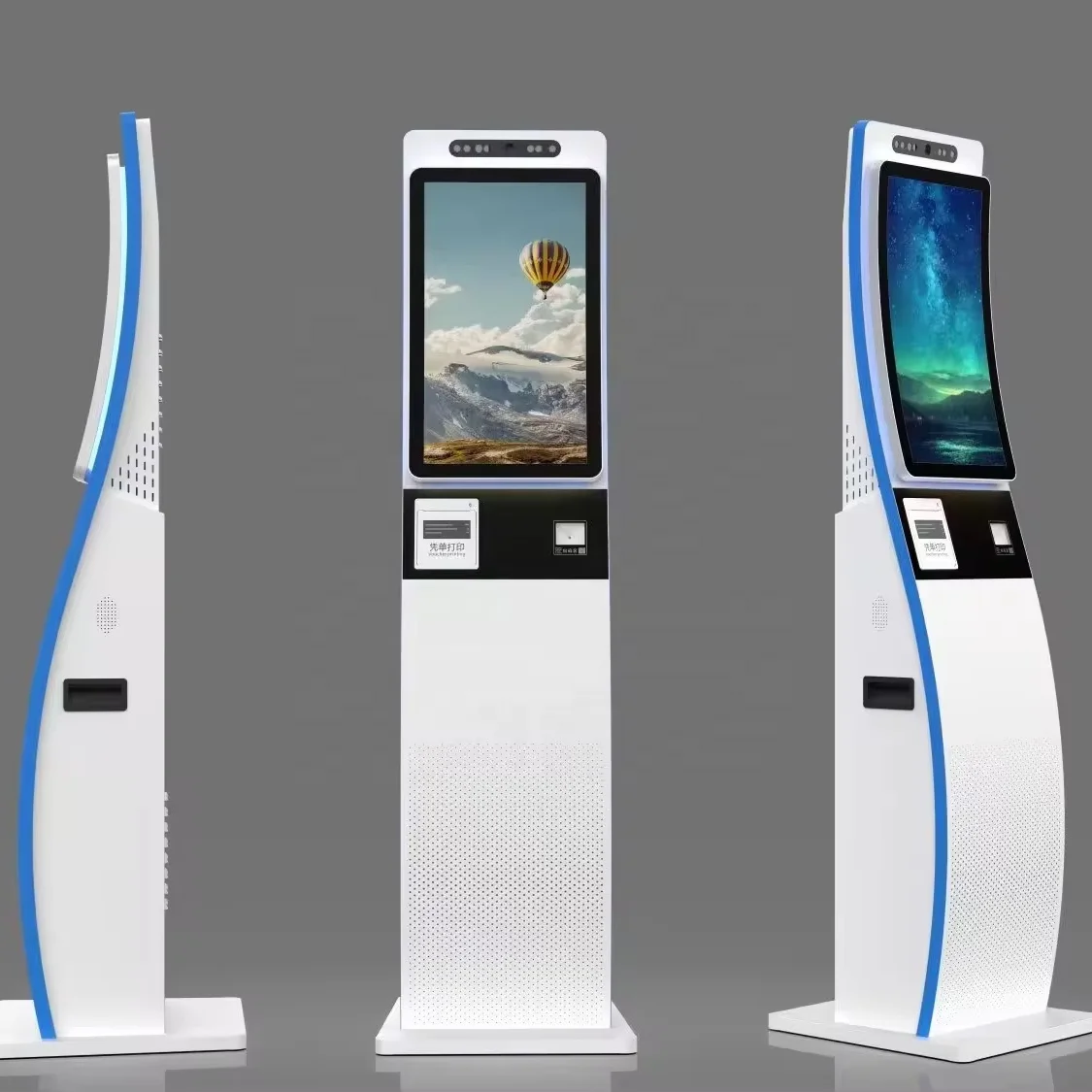
The development of smart cities is changing how urban communities access public information, transportation services, payments, and essential facilities. As municipalities embrace digital transformation, interactive kiosks are becoming valuable components of modern urban infrastructure. These self-service terminals help residents and visitors access information, complete transactions, and interact with public services without always requiring direct assistance from staff.
The smart city kiosk market is gaining attention as cities search for practical ways to improve service accessibility, reduce administrative workloads, and create more connected public environments. Kiosks are increasingly being deployed in transportation hubs, municipal buildings, shopping districts, healthcare facilities, educational institutions, and public spaces.
The current market scenario reflects a shift from basic information terminals toward intelligent, connected platforms capable of supporting multiple services. Their growing functionality is creating opportunities for technology providers, infrastructure developers, and public authorities seeking more efficient urban operations.
Changing Urban Infrastructure and Digital Service Requirements
Urban populations continue to place greater demands on public infrastructure. Residents expect convenient access to information, faster service delivery, and flexible payment options. Traditional service counters can experience congestion, particularly in densely populated cities where administrative and transportation services serve large numbers of people.
Interactive kiosks provide an alternative channel for handling routine activities. Depending on their configuration, these systems can support ticket purchases, bill payments, public announcements, appointment scheduling, wayfinding, and access to government information.
This growing emphasis on convenient digital services is influencing the smart city kiosk market. City administrators are considering kiosks as part of broader modernization programs designed to connect physical locations with digital platforms.
The technology also supports visitors who may be unfamiliar with local transportation networks, public facilities, or administrative procedures. Multilingual interfaces and accessible navigation features can make public information easier to obtain.
Technology Developments Reshaping the Market Scenario
Technological improvements are expanding the capabilities of modern kiosks. Touchscreen displays, cloud connectivity, remote monitoring, secure payment systems, and integrated software platforms are helping transform traditional terminals into more versatile service points.
Cloud-based management allows operators to update information, monitor equipment performance, and coordinate services across multiple locations. Instead of manually maintaining every terminal, administrators can manage many devices through centralized systems.
Artificial intelligence is another emerging area of development. AI-enabled interfaces may support conversational assistance, personalized navigation, automated inquiries, and more responsive information delivery. However, successful implementation depends on reliable data, appropriate safeguards, and interfaces that remain understandable to users.
The integration of sensors and connected devices can also provide operational information. For example, kiosks may report equipment faults, monitor usage patterns, or notify maintenance teams when intervention is required.
These developments are encouraging suppliers to design systems that combine hardware durability with flexible software capabilities. As cities adopt more connected infrastructure, interoperability and long-term maintenance are becoming important considerations.
Public Transportation and Mobility Applications
Transportation remains a significant application area for smart city kiosks. Bus terminals, railway stations, metro networks, airports, and other mobility facilities require accessible information and efficient passenger services.
Kiosks can display route information, provide schedule updates, support ticket purchases, and help passengers locate platforms or nearby facilities. Integration with transportation databases can make information more responsive to service changes.
In busy urban environments, self-service terminals may reduce pressure on staffed counters by allowing passengers to complete routine transactions independently. They can also improve access for occasional travelers who need straightforward directions or fare information.
Future deployments may increasingly connect kiosks with mobility applications, digital ticketing systems, and real-time transportation platforms. These connections could help create a more consistent passenger experience across different modes of transport.
Nevertheless, transportation operators must ensure that kiosk information remains accurate and available during peak demand. Equipment reliability, accessibility, and alternative service channels remain essential.
Municipal Services and Citizen Engagement
Local governments are exploring digital kiosks as a way to make administrative services more accessible. Depending on local regulations and system integration, residents may use kiosks to obtain application information, access public records, make approved payments, schedule appointments, or receive guidance about municipal programs.
The smart city kiosk market can benefit from these applications because public authorities often manage multiple service locations and large populations with varying digital access needs.
Kiosks placed in community centers, libraries, municipal offices, and other public facilities can provide an additional channel for people who do not regularly use smartphones or personal computers.
However, successful deployment requires more than installing equipment. Governments must determine which services are suitable for self-service, protect personal information, maintain accurate content, and provide assistance when transactions cannot be completed.
Digital kiosks should complement existing service channels rather than automatically replace every face-to-face interaction. This approach can help cities extend access while accommodating residents with different abilities and levels of digital familiarity.
Commercial Participation and Business Opportunities
Private-sector participation is contributing to the evolving market scenario. Retailers, property developers, transportation operators, and technology companies may collaborate with municipalities to introduce kiosk-based services.
Commercial applications include digital directories, visitor information, payments, promotional displays, and customer assistance. In shopping districts and mixed-use developments, kiosks can help visitors navigate large spaces while supporting business discovery.
Advertising and sponsored content may provide an additional revenue source for some operators. However, commercial displays must be balanced with public-service requirements, especially when kiosks are installed in government buildings or essential transportation facilities.
Technology suppliers can also pursue opportunities through software licensing, maintenance agreements, device management, and system integration. These services may become increasingly important as cities operate larger kiosk networks.
The ability to provide dependable equipment, accessible interfaces, secure transactions, and ongoing technical support can influence purchasing decisions.
Challenges Affecting Market Development
Despite the opportunities, several challenges can affect kiosk deployment. Initial investment may include hardware, installation, networking, software development, security systems, and integration with existing infrastructure.
Maintenance costs can also accumulate. Public-facing terminals are exposed to frequent use, environmental conditions, accidental damage, and potential vandalism. Operators must establish practical maintenance schedules and response procedures.
Cybersecurity and data privacy are particularly important when kiosks handle payments or personal information. Systems require appropriate authentication, software updates, secure network connections, and careful management of collected data.
Accessibility is another essential consideration. Interfaces should accommodate people with disabilities and users with different language preferences or levels of digital literacy. Poorly designed systems can create barriers rather than improve service access.
Cities may also encounter difficulties integrating kiosks with older databases and fragmented digital platforms. Successful projects therefore require coordinated planning among administrators, technology providers, service departments, and infrastructure teams.
Future Outlook
The future scenario for the smart city kiosk market will depend on how effectively cities combine digital convenience with dependable public access. Kiosks are likely to remain relevant where residents need immediate information, physical payment options, transportation assistance, or access to services in shared public locations.
Future systems may feature more adaptive interfaces, stronger remote management capabilities, improved accessibility, and closer integration with citywide digital platforms. Modular designs could also allow operators to introduce new services without replacing entire installations.
However, deployment strategies will vary according to municipal budgets, population needs, infrastructure maturity, and regulatory requirements. Not every city will require the same kiosk functions or network size.
Conclusion
The smart city kiosk market is evolving alongside the wider transformation of urban infrastructure. Transportation assistance, municipal services, commercial navigation, and connected information systems are creating varied opportunities for kiosk deployment.
Continued progress will depend on reliable technology, secure transactions, accessible design, effective maintenance, and meaningful integration with existing services. Cities that carefully match kiosk functions to community requirements can use these systems to expand service options and support more connected urban environments.
Comments
Log in or sign up to join the conversation.