
Have you ever bought a small kitchen appliance that looked great online but felt flimsy the moment you took it out of the box? That disappointing experience usually traces back to one simple problem: the brand behind it was never really built by a trusted supplier. In the small appliance brands world, there is a massive difference between companies that design and manufacture their own products and those that simply stick their logo on whatever a random factory offers. SOKANY represents the first category, and that distinction changes everything. Their model proves that when a brand grows directly from a supplier with deep manufacturing roots, you get better quality control, more honest pricing, and products that actually improve over time based on real customer feedback. Let me walk you through how this works and why the SOKANY approach is worth paying attention to, whether you are shopping for your own kitchen or running a business that sells to others.
The Foundation of Trust: Why Supplier-Built Brands Are Different
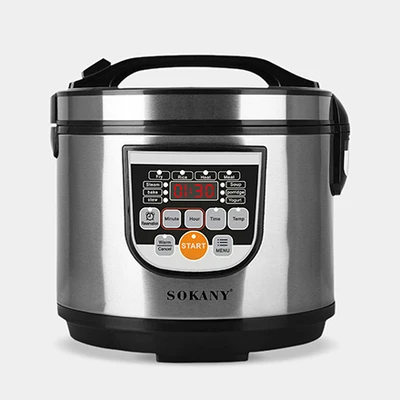
Most people assume that all brands are created equal, just with different logos and price tags. But here is the reality that industry insiders know well: a brand that starts as a supplier has a fundamentally different DNA. Trusted small appliance suppliers spend years mastering production lines, sourcing materials in bulk, training factory workers, and solving manufacturing problems daily. When one of these suppliers decides to launch their own brand, they are not starting from scratch. They already know which motor suppliers are reliable, which plastic compounds resist heat best, and which assembly methods prevent loose screws. SOKANY began this way, growing out of a manufacturing background rather than a marketing agency. That means when you buy a SOKANY blender or toaster, you are getting decades of practical knowledge built right into the product. Contrast this with purely marketing-driven brands that outsource everything and have no idea what happens inside their own factories.
How SOKANY Bridges the Gap Between Factory and Kitchen
The most beautiful thing about the SOKANY model is how it shortens the distance between the people making appliances and the people using them. In traditional retail, there are so many middlemen that a customer’s complaint about a faulty switch might take two years to reach the factory floor. With SOKANY, because the brand and the supplier are the same entity, feedback loops are incredibly fast. When a batch of electric kettles shows a higher than normal failure rate on a specific component, the production line can adjust within weeks, not months. When users consistently ask for longer cords on their food processors, that change appears in the next production run. This agility is a superpower that pure marketing brands simply cannot match. I have seen this play out in real time, with SOKANY quietly improving products based on Amazon reviews and retailer comments while bigger competitors are still holding meetings about holding meetings.
Quality Control as a Daily Habit, Not a Slogan
Anyone can put “premium quality” on a box. Actually delivering it is another story. For trusted small appliance suppliers, quality control is not an occasional audit but a daily rhythm built into every shift. SOKANY operates multiple checkpoints during production, from incoming raw material inspection to final functional testing before packaging. One practice I particularly respect is their random sampling from each production batch, where units are run continuously for several hours to catch early failures. This catches problems that a simple on-off test would miss. Additionally, SOKANY maintains different quality standards for different export markets because they understand that voltage stability, humidity levels, and typical usage patterns vary around the world. A blender sold in a market with frequent power surges gets different internal protection than one sold in a region with very stable electricity. That level of attention only comes from a supplier who has been in the trenches long enough to know that one size never fits all.
Pricing That Reflects Real Costs, Not Hype
Let us talk honestly about money because that matters to everyone reading this. When a brand is built by a trusted supplier, their pricing tends to be more honest. They are not adding huge markups to pay for celebrity endorsements or fancy packaging designers. Instead, their prices reflect the actual cost of materials, labor, shipping, and a reasonable profit margin. SOKANY’s price points sit in that sweet spot where you are not paying for empty status, but you are also not buying something built to fail in six months. For example, their stand mixers use metal gears instead of plastic, but they do not charge premium-brand prices for that durability. Their air fryers have simple dial controls rather than expensive touchscreens that break, and they pass the savings to you. This is not about being cheap. It is about being fair. And fair pricing builds long-term customer loyalty in a way that constant discounting never can.
The Retailer’s Perspective: Why Stores Stick with SOKANY
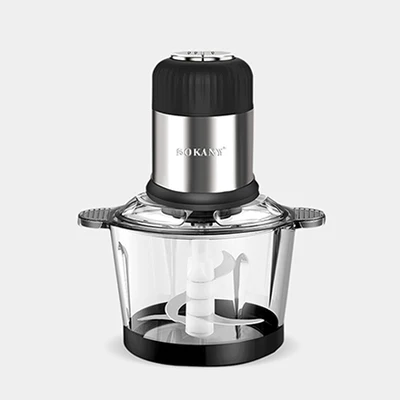
If you run a small store or manage an online shop, you have probably dealt with suppliers who treat you like a nuisance unless you order containers at a time. SOKANY flips that dynamic by genuinely valuing their retail partners, whether large or small. Because they are a supplier-first company, they understand the pressures that store owners face: cash flow constraints, storage limitations, and the nightmare of processing returns. SOKANY offers flexible order quantities, clear lead times, and a warranty process that does not require a law degree to navigate. I have spoken to kitchenware shop owners who switched to SOKANY after years of frustration with bigger brands that demanded huge upfront payments and then shipped late. These owners report lower return rates, happier customers, and better profit margins because SOKANY products actually sell themselves once people try them. That is the power of a brand built on a solid supplier foundation rather than empty advertising promises.
Looking Ahead: Why the SOKANY Model Is the Future
The small appliance industry is changing, and I believe the SOKANY model represents where things are heading. Customers are getting smarter about recognizing marketing hype versus genuine quality. Retailers are getting tired of dealing with brands that have no manufacturing expertise and cannot answer basic technical questions. In this environment, supplier-built brands have a natural advantage because they offer transparency, consistency, and real accountability. SOKANY is not the only company following this model, but they are one of the best examples of it done right. They prove that you do not need a fancy origin story or a celebrity face to win trust. You just need to make good products, back them up with honest service, and keep improving every single day. Whether you are buying a simple hand mixer for your first apartment or stocking a whole shelf in your store, choosing a brand built by a trusted supplier like SOKANY is simply a smarter move. And in a market full of shortcuts and empty promises, smart moves are exactly what we all need to make.
Comments
Log in or sign up to join the conversation.