
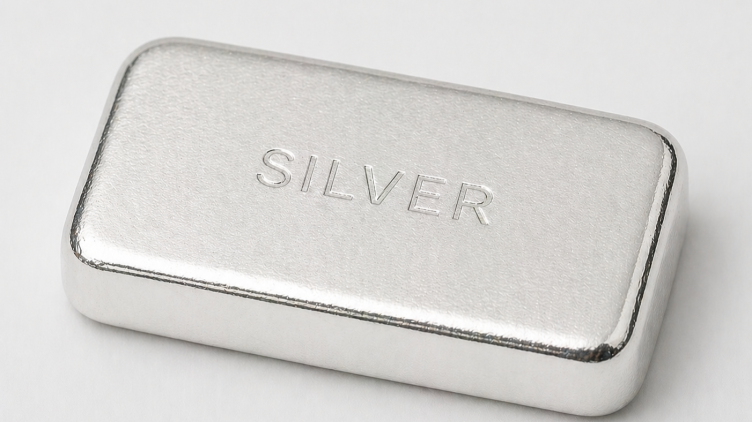
The Silver Price Trend is one of the most closely followed indicators in the precious metals market. Silver is widely used in jewelry, electronics, solar panels, medical equipment, automotive components, electrical systems, and investment products. Because of its broad range of applications, manufacturers, suppliers, traders, investors, and procurement professionals regularly monitor Silver Prices to understand market movements and make informed purchasing decisions.
Like other precious metals, silver prices are influenced by mining activity, industrial demand, investment interest, production costs, recycling, transportation, and global economic conditions. Understanding these factors helps businesses improve procurement planning while reducing supply chain risks.
👉 👉 👉Please Submit Your Query for Silver Price Trend, demand-supply, suppliers, market analysis:https://www.price-watch.ai/book-a-demo/
Industrial Demand Continues to Support Silver Prices
Silver plays a vital role in many industries because of its excellent electrical conductivity, thermal performance, and corrosion resistance. The electronics industry uses silver in printed circuit boards, switches, connectors, and electrical contacts. As demand for electronic devices continues to grow, the consumption of silver remains strong.
The renewable energy sector is another major consumer. Silver is an essential material in photovoltaic solar panels, helping improve energy efficiency. Growing investment in clean energy projects continues to support Silver Prices and long-term market demand.
Mining Supply Influences Market Movement
The Silver Price Trend is strongly affected by mining production. Silver is produced through dedicated silver mines and as a by-product of copper, lead, zinc, and gold mining. Because supply depends on mining activity across several metals, changes in production levels can influence market availability.
When mining output declines due to operational challenges, weather conditions, labor shortages, or environmental regulations, supply may tighten and support higher Silver Prices. Stable mining operations generally contribute to balanced market conditions and improved product availability.
Production Costs Shape Silver Prices
Producing silver requires mining, refining, purification, and quality testing. These processes involve significant investments in labor, electricity, fuel, equipment, maintenance, and environmental compliance.
Higher production costs often influence Silver Prices, particularly when manufacturers experience rising energy or operating expenses. However, technological improvements and efficient mining practices help reduce costs while maintaining high-quality production and competitive market pricing.
Energy and Logistics Affect Supply Chains
Energy remains an important factor in silver production because mining and refining require continuous electricity and fuel. Rising energy costs can increase manufacturing expenses and influence the overall Silver Price Trend.
Transportation also plays a critical role in maintaining smooth supply chains. Silver must be transported from mining operations to refining facilities and finally to manufacturers and investors worldwide. Freight costs, shipping delays, port congestion, and fuel prices can all affect Silver Prices by influencing product availability and delivery schedules.
Investment Demand Supports the Market
Silver is widely recognized as both an industrial metal and an investment asset. Investors often purchase silver bars, coins, and exchange-traded products to diversify their portfolios and protect against inflation or economic uncertainty.
Changes in interest rates, financial market conditions, and investor confidence can significantly influence Silver Prices. During periods of economic uncertainty, investment demand often increases, providing additional support to the Silver Price Trend.
Jewelry and Consumer Products Drive Consumption
Jewelry remains one of the largest markets for silver. Consumers appreciate silver because of its attractive appearance, affordability, and versatility. Silver is also widely used in decorative items, silverware, fashion accessories, and gift products.
Seasonal buying, festivals, and special occasions often increase consumer demand, contributing to healthy market activity. Strong retail demand helps maintain stable Silver Prices throughout the year.
Global Trade Conditions Influence Silver Prices
International trade continues to shape the silver market. Import-export regulations, currency movements, transportation costs, and geopolitical developments all influence supply chains and market sentiment.
Stable trade conditions generally support balanced Silver Prices and reliable product availability. However, disruptions in logistics or changes in international trade policies may temporarily affect supply and create short-term price fluctuations.
Recycling and Sustainability Strengthen Supply
Silver recycling has become an increasingly important source of supply. Electronic waste, industrial scrap, jewelry, and photographic materials provide valuable recycled silver that reduces dependence on newly mined resources.
Improved recycling technologies help strengthen long-term supply while supporting environmental sustainability. Higher recycling activity also contributes to greater market stability and can moderate Silver Prices during periods of strong demand.
Future Outlook for the Silver Price Trend
The long-term outlook for the Silver Price Trend remains positive because demand continues to grow across renewable energy, electronics, jewelry, medical technology, and investment markets. Future market conditions will depend on mining activity, industrial demand, recycling rates, production costs, logistics, and global economic performance. Companies and investors who regularly monitor Silver Prices can improve procurement planning, manage investment risks, and respond more effectively to changing market conditions.
Conclusion
The Silver Price Trend reflects the combined influence of mining supply, industrial demand, investment activity, recycling, production costs, logistics, and international trade. Monitoring Silver Prices helps manufacturers, suppliers, investors, traders, and procurement professionals make informed purchasing and investment decisions while improving supply chain planning. Although short-term price fluctuations are common, growing demand from renewable energy, electronics, jewelry, and investment sectors is expected to support the long-term importance of silver in the global market.
👉 👉 👉Please Submit Your Query for Silver Price Trend, demand-supply, suppliers, market analysis:https://www.price-watch.ai/book-a-demo/
About Price Watch™ AI
Price-Watch AI is an India-based, independent raw material price reporting agency that provides real-time price forecasts and data-driven insights into global raw material markets. Price-Watch AI specializes in tracking raw material prices, analyzing market trends, and delivering timely updates on plant shutdowns, supply disruptions, capacity expansions, and demand-supply dynamics. The Price-Watch AI platform empowers manufacturers, traders, and procurement professionals to make faster, smarter decisions. Leveraging AI-powered forecasting and over a decade of historical data, Price-Watch AI transforms market volatility into actionable opportunity.
Futura Tech Park,
C Block, 8th floor 334,
Old Mahabalipuram Road,
Sholinganallur, Chennai,
Tamil Nadu, Pincode - 600119.
LinkedIn: https://www.linkedin.com/company/price-watch-ai/
Facebook: https://www.facebook.com/people/Price-Watch/61568490385598/
Twitter: https://x.com/pricewatchai
Website: https://www.price-watch.ai/
Comments
Log in or sign up to join the conversation.