

Septic Tank Care and Maintenance Tips for Homeowners
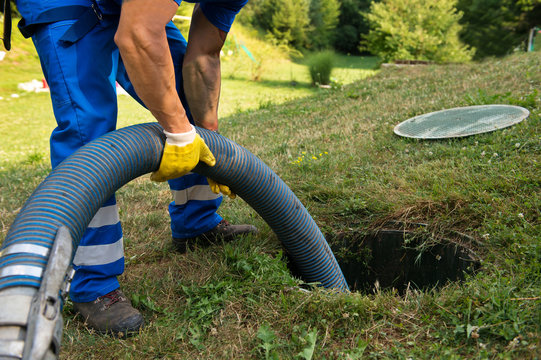
A septic system is one of those household systems that tends to remain out of sight and out of mind—until something goes wrong. For homeowners who depend on septic rather than a municipal sewer system, however, routine care can make the difference between decades of reliable operation and an unexpected, expensive repair.
Septic systems handle wastewater from toilets, showers, sinks, washing machines and other household fixtures. Because everything that goes down a drain eventually reaches the system, everyday household habits have a direct impact on how efficiently the septic tank and drain field perform.
Fortunately, septic tank maintenance does not have to be complicated. Understanding how the system works and following a few practical precautions can help homeowners prevent backups, unpleasant odors, drain field problems and premature system failure.
Understand How Your Septic System Works
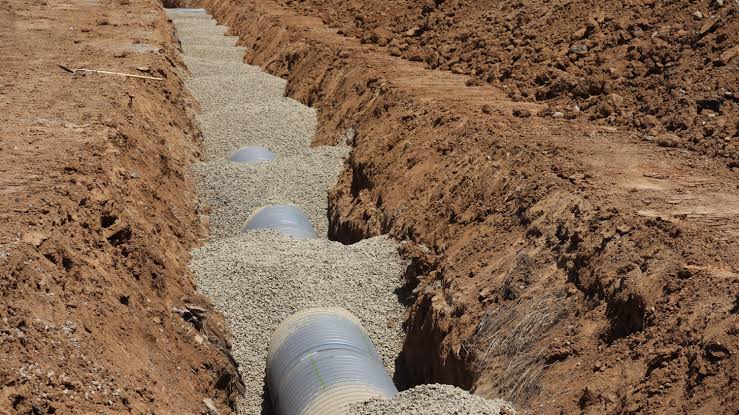
A typical septic system consists of a septic tank and a drain field, also called a leach field. Wastewater leaves the home and enters the underground tank, where gravity helps separate the waste.
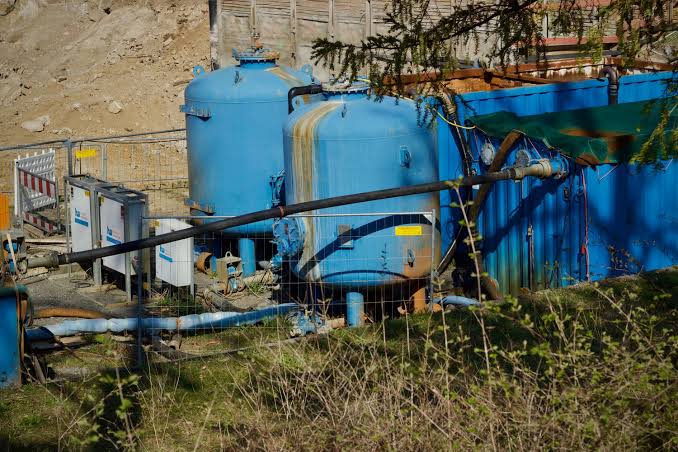
Heavier solids settle at the bottom of the tank and form sludge. Oils, grease and other lighter materials rise to the surface and create a layer of scum. Between these layers is liquid wastewater, or effluent, which eventually leaves the tank and enters the drain field.
The soil surrounding the drain field provides additional treatment as wastewater moves through it.
This process works effectively when the tank has enough time and capacity to separate waste. Problems can occur when excessive solids accumulate, too much water enters the system at once or materials that should never enter a septic system are repeatedly flushed down household drains.
Be Careful About What Goes Down the Drain
One of the easiest ways to protect a septic system is to remember that toilets and drains are not garbage disposals.
Items such as paper towels, wipes, feminine hygiene products, diapers, dental floss, cigarette butts, and cat litter should be placed in the trash rather than flushed. Even products marketed as flushable may take considerably longer to break down than ordinary toilet paper.
Kitchen habits matter as well. Large quantities of cooking grease, fats, and food scraps can increase the amount of material accumulating inside the tank.
Harsh chemicals should also be used carefully. A septic tank relies partly on naturally occurring microorganisms to break down organic waste. Routinely sending large quantities of powerful chemicals into the system can interfere with this biological process.
Michael Hambrick, Owner of Rooter Express SC, emphasizes the value of preventive care for household wastewater systems. Small changes in how homeowners use their plumbing can help reduce unnecessary stress on septic system components and make it easier to identify developing problems before they become expensive emergencies.
Use Water Efficiently
Every gallon of water used inside a home eventually has to go somewhere. For a property with a septic system, much of it ultimately passes through the septic tank and drain field.
Using an excessive amount of water within a short period can overload the system and reduce the time available for solids to settle properly.
Simple water-saving habits can make a meaningful difference. Repair leaking faucets and running toilets promptly, install water-efficient fixtures when practical and avoid scheduling every water-intensive household activity at the same time.
Laundry is a common example. Instead of washing numerous loads consecutively on one day, homeowners can spread them throughout the week. Similarly, running the dishwasher, washing machine and several showers simultaneously can create an unnecessary surge of wastewater.
Water efficiency therefore benefits more than the monthly utility bill. It can also reduce stress on the septic system.
Schedule Regular Inspections and Pumping
Septic tanks gradually accumulate solids even when homeowners follow excellent maintenance practices. Those solids eventually have to be removed.
How frequently a tank needs pumping depends on several factors, including tank capacity, household size, wastewater generation and the amount of solids entering the system. Rather than assuming every household should follow exactly the same schedule, homeowners should have their system evaluated and establish an appropriate maintenance interval with a qualified septic professional.
Routine inspections can also uncover developing issues that may otherwise go unnoticed.
A professional can evaluate sludge and scum levels, examine accessible components and look for indications that wastewater is not moving through the system correctly. Finding a minor problem during routine maintenance is generally preferable to discovering it after sewage begins backing up into the house.
Keep records of inspections, pumping, repairs and other septic services. These records make future maintenance easier and can provide useful information when selling the property.
Protect the Drain Field
The septic tank gets most of the attention, but the drain field is equally important.
Avoid driving or parking cars, trucks and heavy equipment over the drain field. Excessive weight can compact the soil or damage underground components, reducing the field's ability to absorb and treat wastewater.
Landscaping should also be planned carefully. Grass and other shallow-rooted vegetation are generally preferable around septic areas. Trees and large shrubs should be positioned far enough away that aggressive roots are unlikely to interfere with underground pipes or other system components.
Homeowners should also pay attention to drainage around the property.
Roof downspouts, sump pumps and other sources of stormwater should not discharge directly onto the drain field. Saturating the area with additional water can interfere with the soil's ability to accept septic effluent.
Know the Warning Signs of Septic Trouble
A septic problem rarely improves by being ignored.
Slow-moving drains throughout the house, recurring plumbing backups and unusual gurgling noises can indicate that something is preventing wastewater from moving normally.
Outside, homeowners should watch for unusually wet or soggy areas around the septic system, sewage odors or patches of vegetation that suddenly become much greener than the surrounding lawn.
One slow sink does not necessarily indicate septic failure; it could simply be a localized plumbing clog. When several fixtures begin experiencing drainage problems simultaneously, however, the possibility of a larger wastewater problem deserves attention.
Sewage backing up into the home is an especially serious warning sign and should be addressed promptly by a qualified professional.
Make Preventive Maintenance a Household Routine
Taking care of a septic system is largely about preventing unnecessary strain.
Use water responsibly. Keep inappropriate materials out of toilets and drains. Protect the drain field from vehicles, roots and excess surface water. Have the system inspected and pumped according to its actual maintenance requirements.
Homeowners should also know approximately where their septic tank and drain field are located. Keeping system diagrams, service records and access information together can save valuable time when maintenance or repairs are needed.
A properly maintained septic system can provide reliable wastewater treatment for many years. More importantly, preventive care gives homeowners an opportunity to address smaller issues before they develop into disruptive backups, damaged drain fields or major system repairs.
For septic systems, waiting until there is an obvious failure is rarely the most economical approach. Consistent maintenance and responsible everyday habits remain the simplest ways to protect both the system and the property around it.
Comments
Log in or sign up to join the conversation.