

A septic system is one of the hardest-working parts of a home, yet it often receives little attention until something goes wrong. Because most of the system is underground, homeowners can easily forget that routine maintenance and responsible daily habits are essential to keeping wastewater flowing properly.
Septic problems can lead to slow drains, sewage odors, backups, saturated drain fields and expensive repairs. Fortunately, many common problems can be prevented by understanding how the system works and reducing unnecessary stress on it.
Michael Hambrick, Owner at Rooter Express SC, recommends treating septic maintenance as an ongoing part of homeownership rather than waiting for obvious trouble. “A septic system usually gives homeowners warning signs before a major problem develops. Paying attention to drainage changes, water usage and maintenance schedules can help catch problems much earlier.”
Understanding the basic operation of the tank is a good place to start.
How Does a Septic Tank Work?
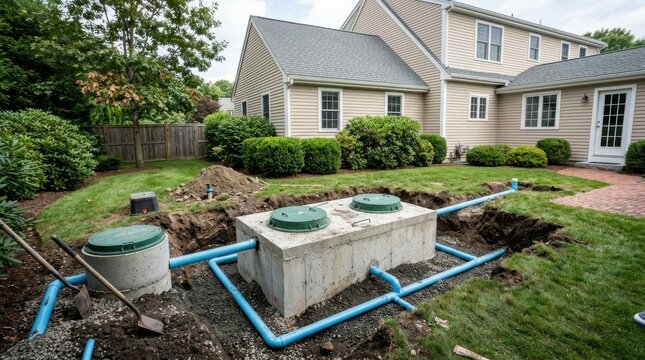
Wastewater from toilets, sinks, showers, washing machines and other household plumbing fixtures travels through the home's main drain and enters the septic tank.
Inside the tank, gravity separates wastewater into layers. Heavier organic solids settle to the bottom and form sludge. Fats, oils and grease rise toward the surface, creating a scum layer. Liquid wastewater remains between these layers.
The liquid eventually exits the tank and moves toward the drain field, where the surrounding soil provides additional treatment.
This separation process explains why septic tanks need maintenance. Solids do not simply disappear. As sludge and scum accumulate, they reduce the tank's effective capacity and can eventually interfere with the rest of the system.
Keep Garbage and Non-Flushable Materials Out
One of the easiest ways homeowners can protect a septic system is by controlling what enters it.
Toilets should generally receive only human waste and toilet paper. Wipes, paper towels, facial tissues, diapers, feminine hygiene products, cotton swabs, dental floss and cat litter should go into the trash.
Kitchen drains deserve similar attention. Avoid pouring cooking oil, grease and excessive food waste down the sink. These materials can contribute to buildup inside plumbing and increase the amount of solids the septic system must handle.
Even products marketed as flushable can create trouble because they may not break down as readily as toilet paper.
Hambrick explains, “Every unnecessary solid that enters a septic system adds to what the tank eventually has to hold or what could potentially move farther into the system. Good drain habits are one of the simplest forms of preventive maintenance.”
The trash can is usually a much safer destination whenever homeowners are uncertain about whether something belongs down a drain.
Use Water Efficiently Throughout the Home
Every gallon of household water that goes down a drain eventually reaches the septic system. Sending too much water through the system within a short period can interfere with normal treatment and place additional pressure on the drain field.
Repair leaking faucets and running toilets as soon as possible. Water-efficient toilets, showerheads and faucet aerators can also reduce the volume of wastewater entering the system.
Laundry habits can make a difference. Instead of completing numerous loads consecutively, homeowners can spread laundry throughout the week whenever practical.
Eric Watanabe, Owner/Operator of Watanabe Pumping, brings both septic-service experience and a wastewater-treatment perspective to this issue. A useful principle from that background is that septic maintenance should reflect the property's actual usage rather than relying solely on generic schedules.
For homeowners, that means considering household size, water consumption and system condition when planning maintenance. A two-person household and a six-person household can place very different demands on similarly sized septic systems.
Inspect and Pump the Septic System Regularly
A septic system should not be considered maintenance-free simply because the drains appear to work normally.
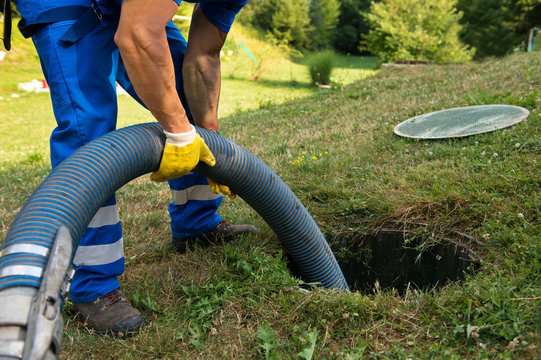
Professional inspections help identify excessive solids, leaks, damaged components and other developing problems before they become emergencies. Pumping removes accumulated sludge and scum before those materials can interfere with system performance.
The appropriate schedule varies. Tank size, number of occupants, wastewater volume, system design and accumulated solids all influence how frequently service is required.
This is another reason professional evaluation matters more than relying exclusively on a calendar.
Homeowners should also maintain records showing inspection dates, pumping dates, repairs and observations from service professionals. Over time, these records provide valuable information about how quickly solids accumulate and whether the system's condition is changing.
Pay Attention to Early Warning Signs
Septic problems rarely become less expensive by being ignored.
Homeowners should watch for slow drainage affecting several fixtures, recurring plumbing backups, gurgling sounds, sewage odors or unusual changes around the septic area.
Outdoors, standing water, soggy ground or unusually lush grass over the tank or drain field can indicate that wastewater is not being processed properly.
“Changes that affect multiple drains are particularly important to investigate,” says Hambrick. “What looks like a simple plumbing problem can sometimes indicate an issue farther downstream, so homeowners shouldn't repeatedly treat symptoms without identifying the cause.”
Professional diagnosis is especially important when the same problem returns shortly after pumping or drain cleaning.
Protect the Drain Field
The drain field is a critical component of the septic system because it receives effluent leaving the tank and allows the surrounding soil to provide additional treatment.
Never routinely park cars, trucks, recreational vehicles or heavy machinery over the drain field. Excessive weight can compact soil or damage underground components.
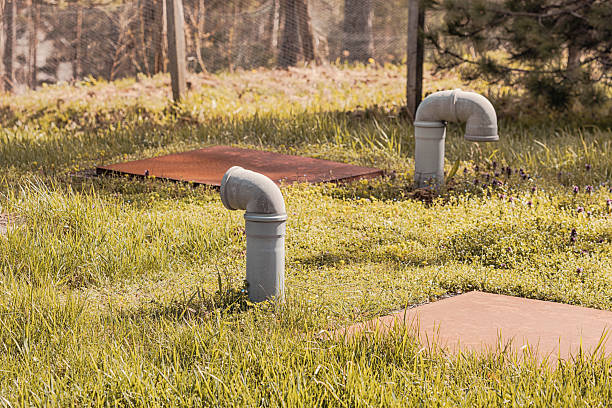
Avoid constructing sheds, patios, pools and other permanent structures over septic areas unless a qualified professional has determined that the project will not interfere with the system.
Landscaping also requires planning. Trees and large shrubs should generally be positioned far enough away that aggressive roots are unlikely to interfere with septic pipes or other components.
Roof drains, sump pumps and other sources of stormwater should be directed away from the drain field. Additional water can saturate the soil and reduce its ability to accept wastewater effectively.
Watanabe emphasizes assessing each property and its usage individually when approaching septic service. That same principle applies to drain-field protection: homeowners should know where their system components are located and manage the surrounding property accordingly.
Be Careful With Chemicals and Septic Additives
Septic tanks rely partly on biological activity to process organic material. Homeowners should therefore avoid treating the septic system as a disposal point for hazardous chemicals.
Paint, solvents, pesticides, automotive fluids and other hazardous products should never simply be poured down household drains. Follow local disposal requirements instead.
Normal use of household cleaners is different from dumping large quantities of concentrated chemicals into the system. Use cleaning products according to their instructions and avoid unnecessary excess.
Homeowners should also be skeptical of products claiming that septic additives eliminate the need for pumping or professional maintenance. No additive removes the need to monitor accumulated solids and evaluate the physical condition of the system.
Know When Professional Septic Service Is Necessary
Even properly maintained septic systems eventually experience wear. Tanks, pipes, pumps, filters, distribution components and drain fields can deteriorate as systems age.
Persistent sewage odors, repeated backups, standing wastewater, consistently slow drains or recurring problems shortly after service warrant professional evaluation.
Hambrick recommends addressing these warning signs before they turn into emergency situations. Preventive attention gives homeowners more time to understand the problem, evaluate repair options and avoid the disruption associated with a complete septic failure.
Routine care does not have to be complicated. Keep inappropriate materials out of drains, conserve water, schedule professional inspections and pumping as needed, protect the drain field and pay attention when the system behaves differently.
As Watanabe demonstrates through his combined septic-service and wastewater-treatment experience, maintaining these systems is ultimately about managing wastewater responsibly from the house through every stage of treatment.
A septic system may spend most of its life out of sight, but a little attention throughout the year can help keep it working reliably and protect homeowners from preventable repairs.
Comments
Log in or sign up to join the conversation.