

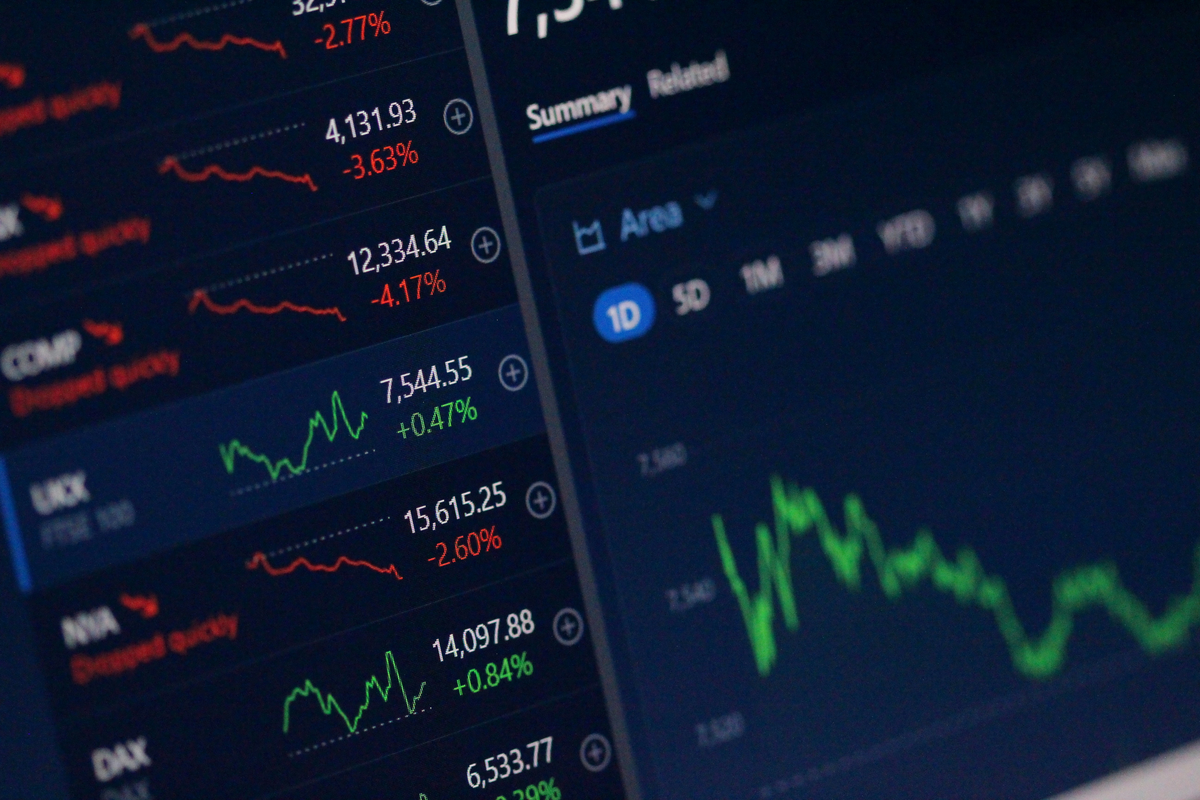
Asian stock markets are lower today as Japanese and Hong Kong shares fall. The Nikkei 225 is off 0.2% while the Hang Seng is down 1.6%. The Shanghai Composite is trading up by 1.1%. Wall Street advanced on Wednesday and the Dow Jones Industrial Average closed at a record for a second day, after US economic data fueled a rise in Treasury yields, lifting financial stocks.
Back home, India share markets opened on a negative note following further depreciation in Indian rupee. The BSE Sensex is trading down by 494 points while the NSE Nifty is trading down by 166 points. The BSE Mid Cap index and BSE Small Cap index opened the day down by 1.6% & 1.7% respectively.
Barring capital goods stocks, all sectoral indices have opened the day in red with realty stocks and auto stocks witnessing maximum selling pressure.
The rupee is trading at Rs 73.73 against the US$.
The rupee plunged to breach the historic low of 73 level as soaring crude oil prices fueled worries over capital outflows and widening current account deficit.
The domestic currency closed at a record low of 73.34, down by 43 paise or 0.6% at the interbank foreign exchange.
Reportedly, foreign investors withdrew Rs 15.5 billion on a net basis from capital markets on October 3. The rupee opened lower at 73.26 per dollar due to high crude oil prices against the last close of 72.91 per dollar.
The currency pared some losses to touch a high of 72.90 per dollar on market speculation that RBI may open special dollar window for oil companies.
According to the reports, rising crude oil prices, depreciating rupee and widening current account deficit are some of the factors the policy making body would keep in mind while deciding on interest rates.
Cratering currencies, rising oil prices and rising interest rates. Global investors couldn't have asked for more excuses to pull their money out of the so-called fragile merging markets. India is certainly one amongst them.
But if investors were to rank countries based on their debt levels or even the level of forex debt, India would literally appear to be the safest haven.
The Worst Amongst Fragile Emerging Markets

Unlike China and Brazil, India's debt to GDP has hardly gone up in the past decade. And its amongst the least exposed to forex debt.
What that tells you is that while the correction is imminent, India may be the first amongst emerging markets to see a sharp recovery too.
Moving on to the news from the finance sector. In the latest development, the newly appointed board of Infrastructure Leasing and Financial Services Ltd (IL&FS) will submit a resolution plan for the debt-laden company within a fortnight of its first meeting to take place in Mumbai today.
The government on Wednesday appointed C.S. Rajan, former chief secretary of Rajasthan, as the seventh member on the new board of directors of IL&FS. Today's meeting of the new board will also examine the need for further induction of members on the board.
The government has also decided to refer the alleged failings of the infrastructure lender to be probed by the new auditing regulator National Financial Reporting Authority (NFRA).
Although an investigation by the Serious Fraud Investigation Office (SFIO) is on into the failure of IL&FS, the government is not keen to create a scare as the immediate priority is to stabilize the systemically important IL&FS group, the reports noted.
Note that, IL&FS has accumulated debt of over Rs 910 billion.

Comments
Log in or sign up to join the conversation.