

Global USB Charger Market: Growth, Trends, Segmentation and Forecast 2031
The Global USB Charger Market is experiencing steady expansion as smartphones, tablets, laptops, wearables, gaming devices, and other portable electronics become increasingly embedded in everyday life. As consumers and businesses depend on connected devices for communication, entertainment, work, travel, and productivity, the need for reliable and efficient charging infrastructure continues to increase.
According To Techsci Research, The Global USB Charger Market will grow from USD 28.09 Billion in 2025 to USD 43.62 Billion by 2031 at a 7.61% CAGR.
The evolution of charging technology is also changing consumer expectations. Users are no longer looking only for basic power adapters. Increasingly, they want compact chargers capable of delivering higher power, supporting multiple devices, minimizing charging time, and providing protection against overheating and electrical faults.
The growing adoption of USB Type-C, rapid charging protocols, Gallium Nitride (GaN) technology, and multi-port charging platforms is transforming the competitive landscape. At the same time, sustainability considerations are encouraging manufacturers to rethink materials, packaging, energy efficiency, and product durability.
Asia Pacific currently represents the largest regional market, supported by its enormous electronics manufacturing base and strong consumer demand. Meanwhile, the Portable Power Bank segment is the fastest-growing segment, reflecting the growing requirement for mobile power solutions.
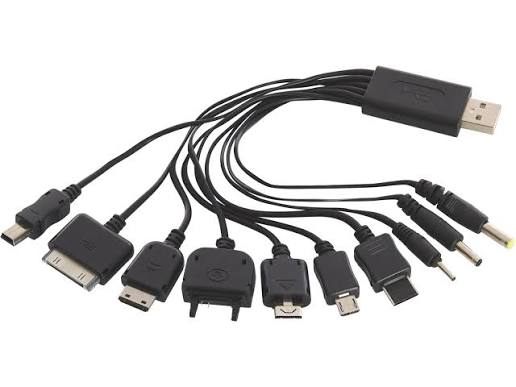
Industry Key Highlights
The Global USB Charger Market was valued at USD 28.09 billion in 2025.
The market is forecast to reach USD 43.62 billion by 2031.
The market is expected to register a CAGR of 7.61% from 2026 to 2031.
Portable Power Bank is the fastest-growing charger-type segment.
Asia Pacific is the largest regional market.
USB Type-C adoption is accelerating the transition toward universal charging ecosystems.
GaN technology is enabling smaller chargers with higher power output and improved efficiency.
Multi-port charging products are becoming increasingly attractive to consumers managing several connected devices.
Sustainability is influencing charger materials, packaging, and product-development strategies.
Counterfeit and non-compliant charging products remain a major challenge for established manufacturers.
Growing dependence on portable electronics continues to generate recurring demand for charging accessories.
Request For Sample Copy of Report For More Detailed Market insight
Main Drivers
Rapid Growth in Connected Electronics
The widespread use of portable electronics remains the fundamental demand generator for USB chargers. Smartphones, tablets, laptops, smartwatches, wireless earbuds, gaming equipment, cameras, and other connected devices require regular access to power.
As consumers carry multiple electronic products, the need for additional chargers has expanded beyond the original adapter supplied with a device. Consumers often purchase spare chargers for offices, homes, vehicles, travel, and secondary locations.
This creates a large aftermarket opportunity for charger manufacturers and accessory brands.
Global Shift Toward USB Type-C
The movement toward standardized charging interfaces is reshaping the USB charger industry. USB Type-C is increasingly becoming the preferred connector because of its reversible design, broad device compatibility, high data-transfer capabilities, and support for increasingly powerful charging applications.
Regulatory initiatives promoting common charging standards are also encouraging device manufacturers to reduce dependence on proprietary connectors. As more consumer electronics transition toward USB-C, demand for compatible chargers and cables is expected to rise.
Standardization also provides consumers with greater flexibility because one charger can potentially support several categories of electronic devices.
Growing Demand for Fast Charging
Consumers increasingly expect their devices to recharge quickly. Long charging periods can interrupt work, communication, entertainment, and travel, making fast charging an important purchasing consideration.
Modern USB chargers increasingly support higher power outputs and advanced charging protocols. This has expanded the role of chargers from simple accessories into performance-oriented components of the consumer electronics ecosystem.
Fast-charging capabilities are particularly important for smartphones and laptops, where battery consumption can increase significantly during gaming, video streaming, professional workloads, and other intensive activities.
Expansion of GaN Technology
Gallium Nitride technology is becoming an important innovation within the charger market. GaN-based components can enable high-power charging in smaller form factors compared with conventional technologies.
This is particularly valuable for consumers who travel frequently or work across multiple locations. A compact GaN charger can potentially replace several larger adapters while maintaining sufficient power for smartphones, tablets, and compatible laptops.
The technology is also supporting the development of high-output multi-port charging stations that can distribute power intelligently across several connected devices.
Increasing Demand for Portable Power
Modern lifestyles require consumers to remain connected outside the home and workplace. Travel, remote work, outdoor activities, commuting, and extended mobile usage can all create situations where access to electrical outlets is limited.
Portable power banks address this requirement by allowing consumers to recharge devices while away from fixed power sources. This growing need for uninterrupted connectivity is a major factor behind the rapid expansion of the portable power bank segment.
Emerging Trends
Sustainable Charger Manufacturing
Environmental considerations are becoming increasingly important in the electronics accessories industry. Manufacturers are exploring recycled materials, reduced-plastic packaging, improved product durability, and more responsible manufacturing practices.
The use of post-consumer recycled materials can reduce reliance on virgin plastics, while more efficient packaging can help minimize material consumption.
Sustainability is therefore becoming part of product differentiation, particularly among brands targeting environmentally conscious consumers.
Convergence of Wired and Wireless Charging
The boundaries between wired and wireless charging are gradually becoming less distinct. Consumers increasingly use both charging methods depending on the device, location, and situation.
The expansion of magnetic wireless charging standards such as Qi2 is encouraging manufacturers to develop charging ecosystems that combine wired and wireless capabilities. This can result in accessories designed to serve multiple charging requirements within a single household or workspace.
Multi-Port Charging Stations
The growing number of personal electronic devices is creating demand for chargers capable of powering several products simultaneously.
Multi-port chargers can reduce cable clutter and eliminate the need for multiple power adapters. Products with two, three, or more ports are becoming particularly useful for households, offices, travelers, and consumers managing smartphones, laptops, tablets, and wearable devices at the same time.
Intelligent Power Management
Modern chargers are increasingly incorporating intelligent power distribution technologies. These systems can determine the requirements of connected devices and allocate available power accordingly.
Such capabilities can improve charging efficiency while helping protect devices against excessive heat, overcurrent, or unsuitable power delivery.
Compact High-Power Designs
Consumers increasingly prefer chargers that deliver greater output without taking up additional space. This trend is encouraging manufacturers to prioritize miniaturization while maintaining high charging performance.
GaN technology is particularly well positioned to support this transition by enabling smaller adapters capable of delivering substantial power.
Real-World Use Cases
Smartphones and Tablets
Smartphones remain one of the most important applications for USB chargers. Users often require additional chargers for homes, offices, vehicles, and travel.
Tablets similarly require dependable charging solutions, particularly as they are increasingly used for education, entertainment, business, and creative activities.
Laptops and Hybrid Work
The growth of remote and hybrid work has increased reliance on portable computing devices. USB-C Power Delivery-compatible chargers can provide high-power charging for supported laptops while also serving smartphones and other devices.
This creates an opportunity for consumers to replace multiple adapters with one versatile charging solution.
Travel and Tourism
Travelers require compact and flexible charging equipment that can accommodate several devices. Portable power banks, multi-port adapters, and compact GaN chargers are particularly relevant for frequent travelers.
Automotive Charging
Car chargers allow users to maintain device battery levels while commuting or traveling long distances. The expansion of connected vehicles and increased smartphone dependence further strengthens the relevance of automotive charging accessories.
Gaming and High-Performance Devices
Gaming smartphones, handheld consoles, laptops, and other high-performance electronics can consume substantial amounts of power. High-output USB chargers can help support these devices during intensive usage.
Offices and Commercial Spaces
Businesses can deploy multi-port charging stations in offices, meeting rooms, hotels, airports, coworking spaces, and other shared environments. Such infrastructure provides convenient charging access for employees, customers, and visitors.
Competitive Analysis
Samsung Electronics Co., Ltd.
Transcend Information Inc.
Corsair Components Inc.
Kingston Technology Corporation
SanDisk Corporation
Lenovo Group Ltd
Toshiba Corporation
Sony Corporation
Verbatim Corporation
Kanguru Solutions
Segmentation
The Global USB Charger Market is segmented based on Charger Type, Number of Ports, Product Type, and Region.
By Charger Type
Wall Mounted:
Wall-mounted USB chargers remain widely used because they provide direct access to electrical power in residential, commercial, and office environments. The segment benefits from continued smartphone and consumer electronics adoption.
Portable Power Bank:
Portable Power Bank is the fastest-growing segment. Consumers increasingly require backup power while traveling, commuting, attending events, or spending extended periods away from electrical outlets. Heavy smartphone usage, streaming, gaming, navigation, and mobile productivity are further supporting demand.
Car Charger:
Car chargers provide an accessible charging option for drivers and passengers. Increasing smartphone dependence during travel continues to support demand for automotive charging accessories.
By Number of Ports
Single Port:
Single-port chargers offer simplicity and are suitable for consumers primarily charging one device at a time.
Double Port:
Two-port chargers provide greater flexibility by allowing users to power two devices simultaneously, making them attractive for everyday household and travel use.
Triple Port:
Triple-port products address the needs of consumers managing several devices and can reduce the number of adapters required.
By Product Type
USB A Type:
USB-A remains relevant because of its large installed base of compatible cables and devices. It continues to serve consumers using older and widely adopted electronics.
USB B Type:
USB-B products serve specific legacy and specialized device applications, although their role within mainstream consumer charging is more limited compared with newer interfaces.
USB C Type:
USB-C is becoming increasingly important due to its broad compatibility, reversible connector design, and ability to support higher power delivery. The transition toward standardized charging ecosystems is expected to strengthen this segment.
By Region
The market is divided into North America, Europe, Asia Pacific, South America, and the Middle East & Africa.
Asia Pacific currently represents the largest market. The region benefits from a well-established electronics manufacturing ecosystem, extensive semiconductor production, high volumes of smartphone and portable-device manufacturing, and significant domestic consumer demand.
China and India are particularly important contributors to the regional ecosystem, while Japan, South Korea, and Australia also represent significant markets.
North America and Europe are characterized by strong consumer demand for premium charging products, fast-charging technologies, and sustainable accessories. South America and the Middle East & Africa offer additional opportunities as smartphone penetration, digital lifestyles, and consumer electronics adoption continue to increase.
FAQ
1. What is the size of the Global USB Charger Market?
The Global USB Charger Market was valued at USD 28.09 billion in 2025 and is projected to reach USD 43.62 billion by 2031.
2. What is the expected CAGR of the USB Charger Market?
The Global USB Charger Market is expected to grow at a CAGR of 7.61% between 2026 and 2031.
3. Which is the fastest-growing segment of the USB Charger Market?
The Portable Power Bank segment is the fastest-growing category. Increasing smartphone usage, travel, remote connectivity, gaming, streaming, and the need for power away from electrical outlets are supporting its expansion.
4. Which region dominates the Global USB Charger Market?
Asia Pacific is the largest regional market. Its strong electronics manufacturing base, semiconductor ecosystem, high smartphone production, and substantial consumer demand for charging accessories support its leading position.
Contact US:
Techsci Research LLC
420 Lexington Avenue, Suite 300,
New York, United States- 10170
Tel: +13322586602
Email: [email protected]
Comments
Log in or sign up to join the conversation.