

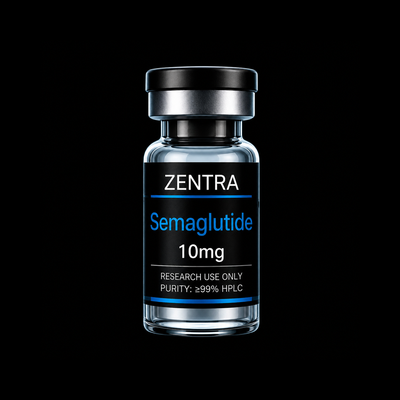
Semaglutide research falls within a UK research environment where analytical rigour matters. In 2024, UK expenditure on research and development reached £79.4 billion, with businesses accounting for £55.6 billion of that total. Now, this scale essentially proves that research materials and traceable documentation are increasingly important. When you are comparing a semaglutide research peptide supplier, batch-specific testing provides something a general purity claim cannot: evidence associated to the material actually supplied. This blog explains why that distinction is crucial.
What Does Batch-Specific Testing Actually Tell Researchers?
A purity figure only becomes useful when you know which material it describes. Batch-specific testing links the analytical results to a particular production lot, giving researchers a clearer basis for assessing the material before experimental use.
It Connects the COA to the Actual Batch
The value of a batch-specific COA is that it gives researchers a way to trace the test results back to the material they actually received. This is more useful than depending on a standard certificate that may have been issued for an entirely different production run.
Besides, this distinction matters because testing results can differ between batches. A certificate from one production run should not automatically be treated as evidence for another.
It Shows What Was Actually Tested
A useful batch-specific COA should make the analytical scope visible. Depending on the testing panel, this may include HPLC purity analysis and mass spectrometry for molecular identity.
That gives researchers more than a headline percentage. It shows which analytical methods were applied and what the reported results relate to.
It Gives the Documentation a Traceable Reference
The batch number, testing laboratory, analysis date, and report reference can collectively make the record easier to trace. This becomes particularly relevant when researchers need to document which material was used in a particular experiment.
For a semaglutide research peptide supplier, that traceability provides a more useful starting point than a broad statement about purity that cannot be connected to a specific batch.
Why Should HPLC Be Considered Alongside Identity Confirmation?
HPLC and mass spectrometry answer different questions about a research sample. HPLC helps assess chromatographic purity. Similarly, mass spectrometry can support confirmation that the material has the expected molecular identity. When reviewing Semaglutide COA lab grade documentation, looking at both results can provide a more useful picture of the material before experimental use.
● HPLC separates the components within a sample and helps determine how much of the material corresponds to the main peptide peak.
● Mass spectrometry provides a separate check by comparing the observed molecular mass with the expected molecular characteristics of the compound.
● A strong HPLC result does not, by itself, establish molecular identity. The two analytical approaches answer different questions.
● Reviewing both results gives researchers a clearer picture of the material instead of relying on a single measurement.
● The COA should also make the testing methods, batch information, analysis date and laboratory details clear enough to review.
Final Thoughts
A batch-specific COA gives researchers something concrete to work from, rather than leaving a purity percentage to speak for itself. Looking at HPLC results alongside identity confirmation adds another layer of useful information before an experiment begins.
If you are looking for a semaglutide research peptide supplier, it is necessary to look beyond the headline purity and check how clearly the testing, documentation, and storage of the material are explained. Ultimately, this information can make it easier to assess the material before it becomes part of your research work.
Comments
Log in or sign up to join the conversation.