

Introduction
The global self-storage market has evolved from a niche real estate service into a dynamic and technology-driven industry that supports both residential and commercial storage requirements. As urbanization accelerates, lifestyles become increasingly mobile, and businesses continue to expand across multiple locations, the demand for flexible, secure, and affordable storage solutions has grown significantly. Modern self-storage facilities no longer function merely as spaces to store excess belongings; they have become integrated service centers offering advanced security, climate-controlled environments, digital access systems, and customized storage options for consumers and enterprises alike.
According to TechSci Research report, “Self-Storage Market Share– Global Industry Size, Trends, Competition Forecast & Opportunities, 2031F”, The Global Self-Storage Market will grow from USD 65.82 Billion in 2025 to USD 112.28 Billion by 2031 at a 9.31% CAGR.
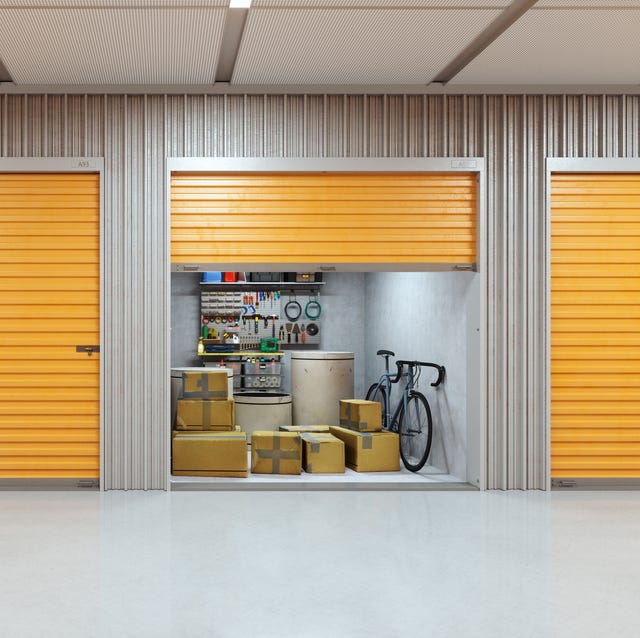
Rapid urban migration has significantly reduced residential living spaces across major metropolitan areas, creating a growing need for external storage facilities. Individuals living in apartments, condominiums, and compact homes increasingly require additional space to safely store seasonal items, furniture, personal collections, sports equipment, business inventory, and household belongings. Simultaneously, businesses are utilizing self-storage facilities to reduce warehouse expenses while maintaining operational flexibility.
The evolution of e-commerce has further transformed the industry. Small businesses, online retailers, and entrepreneurs now depend on self-storage facilities to manage inventory, packaging materials, promotional products, and business documents without investing heavily in commercial warehouse infrastructure. As digital commerce continues expanding globally, self-storage providers are becoming strategic partners for thousands of growing enterprises.
Technological innovation is also reshaping the customer experience. Today's facilities incorporate smart surveillance systems, biometric authentication, automated entry gates, digital payment systems, online reservations, mobile applications, artificial intelligence-based security monitoring, and cloud-enabled facility management platforms. These innovations not only improve convenience but also strengthen operational efficiency and customer satisfaction.
Environmental sustainability is becoming another defining characteristic of modern self-storage facilities. Operators are increasingly investing in solar energy systems, LED lighting, intelligent HVAC controls, water conservation technologies, green building certifications, and energy-efficient climate-controlled units to reduce operating costs while supporting environmental objectives.
As consumer expectations continue evolving, the self-storage industry is expanding beyond traditional storage services by introducing value-added offerings such as package acceptance, co-working spaces, business support services, logistics partnerships, and integrated moving assistance. These developments position the self-storage market as an essential component of the modern real estate, logistics, and digital commerce ecosystem.
Request For Sample Copy of Report For More Detailed Market insight
Industry Key Highlights
Global market expected to grow from USD 65.82 Billion in 2025 to USD 112.28 Billion by 2031.
Forecast CAGR of 9.31% through 2031.
Climate-controlled storage units remain among the fastest-growing service categories.
Traditional storage units continue holding the largest application share.
Asia Pacific is projected to emerge as the fastest-growing regional market.
Increasing urbanization continues driving residential storage demand.
E-commerce expansion is creating significant commercial storage opportunities.
Smart storage facilities equipped with IoT and AI technologies are gaining popularity.
Sustainability initiatives are encouraging eco-friendly facility development.
Digital booking platforms and automated access systems are transforming customer experiences.
Market Overview
The self-storage industry has experienced remarkable transformation over the past decade. Once considered primarily a solution for temporary storage during relocation, the market has expanded into a comprehensive storage ecosystem serving homeowners, renters, students, corporations, healthcare organizations, manufacturers, retailers, logistics providers, and government institutions.
Growing urban populations have reduced average residential living space, particularly across major cities. Apartment living, shared accommodations, and compact housing developments have significantly increased the demand for external storage facilities where individuals can safely preserve personal possessions without sacrificing valuable living space.
Businesses have also become major contributors to market growth. Rather than investing in expensive warehouse infrastructure, organizations increasingly utilize self-storage facilities to store excess inventory, archived documents, office equipment, seasonal merchandise, construction materials, promotional products, and operational assets.
Digital transformation has fundamentally improved operational efficiency across the industry. Online reservations, virtual unit tours, contactless leasing, mobile-based facility access, AI-enabled surveillance systems, and automated customer support have simplified the storage experience while reducing administrative costs.
Climate-controlled facilities have become one of the industry's strongest growth segments. Customers storing artwork, antiques, pharmaceuticals, electronics, wine collections, legal documents, luxury furniture, and sensitive inventory increasingly prefer facilities capable of maintaining consistent temperature and humidity conditions.
The industry is also witnessing increasing consolidation as major operators acquire regional providers to strengthen their geographic presence and expand customer offerings.
Main Market Drivers
Rapid Urbanization and Shrinking Living Spaces
One of the strongest growth drivers for the self-storage market is rapid urbanization. Millions of people continue relocating to metropolitan areas where residential properties offer significantly less storage capacity than traditional homes.
Apartment residents frequently require additional storage for seasonal clothing, furniture, recreational equipment, household goods, and personal collections. Self-storage facilities provide flexible, affordable solutions that accommodate changing residential needs.
Population growth combined with increasing housing costs will continue supporting long-term market expansion.
Expansion of E-Commerce Businesses
The rapid growth of online retail has transformed self-storage into an important business infrastructure solution.
Thousands of e-commerce entrepreneurs utilize storage facilities as decentralized inventory centers where products are stored, packaged, and shipped directly to customers.
Compared to traditional warehouses, self-storage facilities offer lower operational costs, flexible leasing agreements, and convenient accessibility.
Small businesses especially benefit from avoiding large capital investments while maintaining inventory availability.
Rising Consumer Mobility
Modern lifestyles increasingly involve relocation for education, employment, retirement, and lifestyle changes.
Temporary housing transitions frequently create short-term storage requirements for furniture, household belongings, vehicles, and personal possessions.
Students studying abroad, military personnel, expatriates, and professionals relocating between cities represent growing customer segments.
Growth in Small Businesses
Small and medium-sized enterprises increasingly rely on self-storage facilities to support daily operations.
Storage units accommodate inventory, office supplies, tools, equipment, archives, promotional materials, and seasonal merchandise.
This flexibility enables businesses to expand without committing to expensive commercial property leases.
Increasing Awareness of Secure Storage
Consumers increasingly prioritize professional storage facilities over residential garages or basements due to enhanced security features.
Modern facilities offer:
24/7 CCTV surveillance
Biometric access control
Individual unit alarms
Fire protection systems
Climate monitoring
Digital access logs
These capabilities significantly improve customer confidence.
Emerging Market Trends
Rapid Growth of Climate-Controlled Storage
Climate-controlled units have become one of the fastest-growing trends across the global self-storage industry.
Customers storing valuable possessions increasingly recognize the importance of temperature regulation in preventing moisture damage, mold growth, corrosion, discoloration, and pest infestation.
Industries including pharmaceuticals, healthcare, electronics, museums, legal services, and luxury retail depend heavily on climate-controlled environments.
Operators continue investing heavily in energy-efficient HVAC systems and intelligent environmental monitoring technologies.
Smart Self-Storage Facilities
Digital transformation continues reshaping facility operations.
Modern facilities increasingly integrate:
Mobile applications
Smart locks
Contactless access
Facial recognition
Artificial Intelligence surveillance
IoT sensors
Cloud-based management software
Automated billing systems
These innovations improve operational efficiency while delivering superior customer experiences.
Sustainable Storage Infrastructure
Environmental sustainability is becoming a major competitive differentiator.
Operators increasingly construct facilities utilizing:
Solar energy systems
LED lighting
Smart HVAC controls
Rainwater harvesting
Green roofing
Electric vehicle charging stations
Sustainable construction materials
These investments reduce operational costs while supporting environmental compliance.
Multi-Service Storage Facilities
Self-storage providers increasingly diversify beyond traditional storage.
Many facilities now offer:
Package acceptance
Business mailboxes
Co-working spaces
Moving assistance
Vehicle storage
Document shredding
Logistics partnerships
Commercial workspace rentals
These integrated services increase customer loyalty while generating additional revenue.
AI-Powered Facility Management
Artificial Intelligence is becoming increasingly valuable for operational optimization.
AI systems assist operators by:
Forecasting occupancy rates
Optimizing pricing strategies
Predicting maintenance requirements
Monitoring facility security
Detecting suspicious activity
Managing customer interactions through virtual assistants
These technologies enhance profitability while reducing operational complexity.
Market Opportunities
Several emerging opportunities are expected to shape future market expansion.
Growing smart city developments create demand for integrated storage infrastructure supporting increasingly mobile urban populations.
The continued rise of e-commerce creates sustained opportunities for micro-warehousing and last-mile logistics support.
Healthcare organizations require specialized storage environments for pharmaceuticals, laboratory equipment, and confidential records.
International expansion into emerging markets remains highly attractive as urbanization accelerates throughout Asia Pacific, Latin America, the Middle East, and Africa.
Digital innovation also creates opportunities for subscription-based storage services, automated facilities, and AI-driven customer engagement platforms.
Market Challenges
Despite strong growth prospects, the industry faces several important challenges.
High real estate acquisition costs remain one of the largest barriers, particularly within densely populated urban centers.
Increasing competition among operators places pressure on rental pricing and customer retention.
Climate-controlled facilities require significant investments in HVAC systems, insulation, energy management, and ongoing maintenance.
Economic uncertainty may temporarily reduce consumer spending on discretionary storage services.
Operators must also address evolving cybersecurity risks associated with digital access systems and cloud-based facility management platforms.
Major companies operating in the Global Self-Storage Market are:
AECOM
CubeSmart
Metro Storage LLC
National Storage Holdings Limited
Safestore Holdings plc
Public Storage
StorageMart
Compass Self Storage LLC
Iron Mountain Information Management, LLC
Big Yellow Group plc
Customers can also request 10% free customization in this report.
Contact US:
Techsci Research LLC
420 Lexington Avenue, Suite 300,
New York, United States- 10170
Tel: +13322586602
Email: [email protected]
Comments
Log in or sign up to join the conversation.