
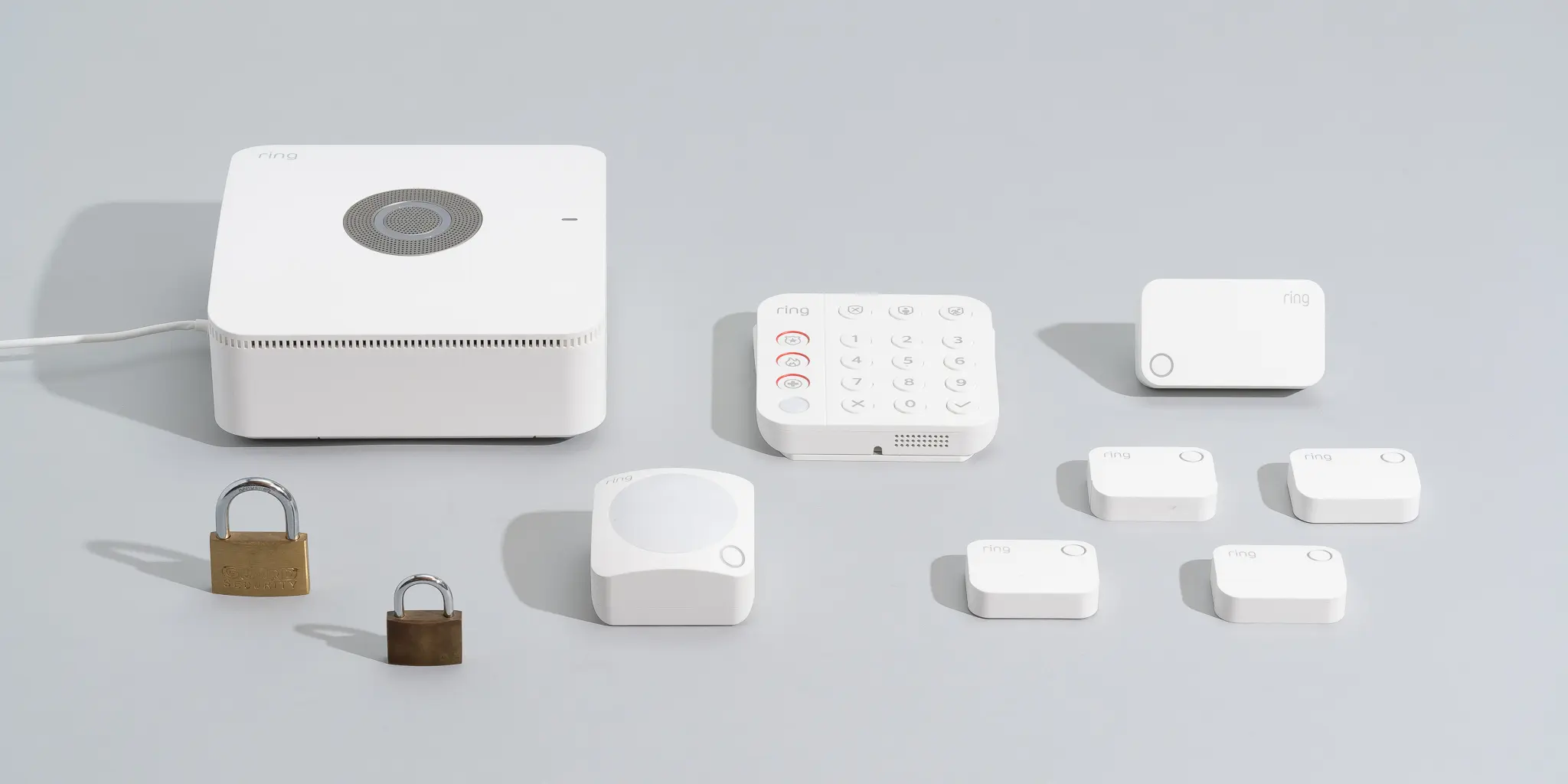
Businesses face a dynamic mix of security risks—after-hours break-ins, internal theft, organized retail crime, and even safety incidents that threaten operations. Against this backdrop, commercial alarm systems have evolved from simple sirens into intelligent, connected platforms that deter intruders, detect threats early, verify incidents with context, and drive rapid, appropriate response. Designed for uptime and accountability, they help protect people, property, and continuity while supporting insurance, compliance, and brand reputation.
Unlike residential solutions, enterprise-grade setups scale across multiple sites, offer advanced redundancy, and integrate tightly with access control, video, and IT networks. They aggregate data into actionable insights for managers and monitoring centers, delivering measurable outcomes like fewer false dispatches, reduced shrink, and faster recovery when something goes wrong. With layered sensors, cloud management, and analytics, today’s systems provide a resilient fabric of intrusion detection, verification, and reporting suited to modern commercial risk.
What Commercial Alarm Systems Really Do—and Why They Matter
Commercial alarm systems are purpose-built to prevent loss and disruption across offices, retail, warehouses, healthcare, education, and critical infrastructure. At their core, they perform four essential jobs: deterrence, detection, verification, and response enablement. Deterrence occurs visibly through signage, strobe sounders, and strategically placed cameras, turning would-be intruders away before an incident starts. Detection expands the perimeter and interior with sensors that identify unauthorized entry, movement, glass breakage, vibration, and environmental anomalies like temperature spikes or water leaks that can halt operations.
Verification is the bridge between noise and knowledge. When alarms pair with video analytics or audio challenge capabilities, security teams and monitoring centers can quickly distinguish a real intrusion from a benign event, dramatically cutting false alarms and enabling priority police response. This creates a virtuous cycle: better verification leads to faster, more decisive action, which in turn reduces losses and downtime. Response enablement ties it all together—escalation paths, mobile alerts, remote lockdowns, and two-way voice reduce time to resolution and help keep staff safe.
Risk-driven design underpins every effective deployment. High-risk zones—cash offices, IT rooms, loading docks, pharmaceutical storage—deserve layered protection, combining door contacts with motion, vibration, and access control rules. External areas may benefit from fence sensors, beam detection, or thermal analytics to catch threats before they reach a building. Systems should also log all arm/disarm events, door holds, and alarm histories to create defensible audit trails that support investigations, compliance, and insurer requirements.
Regulatory and standards alignment is crucial. Depending on region and risk profile, solutions may target AS/NZS 2201 categories, EN 50131 grades (for higher-threat environments), or UL/ULC listings for control units and communication paths. Many jurisdictions enforce false alarm reduction policies, making features like cross‑zoning, dual‑tech motion sensors, and video verification not just helpful but essential. By baking in privacy-by-design principles—role-based access, data minimization, and retention control—systems also align with privacy laws and industry statutes, keeping security outcomes strong without compromising lawful handling of information.
Key Components, Technologies, and Integration That Maximize Value
Strong security outcomes start with the right building blocks. Door/window contacts and roll‑door sensors guard perimeters; glass‑break detectors and vibration/shock sensors catch forced entry; and motion sensors—PIR, microwave, or dual‑technology—detect movement while reducing nuisance triggers from HVAC or pets. Specialized devices, including panic and hold‑up buttons, duress pendants, and vault-grade sensors, protect people and high-value assets. Environmental detectors for temperature, humidity, and water can avert costly damage in server rooms or cold storage.
Connectivity and resilience matter as much as the sensors themselves. Modern control panels support dual‑path communication (cellular plus IP), supervised device health checks, and onboard encryption to prevent tampering. Cloud or hybrid architectures enable centralized management of arming schedules, user permissions, and firmware updates across many sites. When alarms integrate with video management, analytics can auto‑pull relevant clips for video verification, presenting operators with evidence instead of generic alerts. Access control integration enforces tighter rules—if a door is forced open, the system can trigger alarms, lock other points, and notify supervisors.
Reducing false alarms is both a compliance and an operational priority. Dual‑tech motions, cross‑zoning (requiring multiple sensors to trip), entry/exit delay windows tailored to workflow, and intelligent masking all contribute to cleaner signals. Supervision of batteries, link status, and tamper conditions ensures the system is trustworthy when it counts. On the network side, treat alarm infrastructure as part of the corporate cyber surface: apply TLS, certificate management, network segmentation, and strict role‑based access to keep adversaries from exploiting remote interfaces.
Vetting providers of commercial alarm systems should include scrutiny of monitoring center capabilities, response protocols, and service-level commitments for maintenance and parts replacement. Look for clear audit and reporting features—who armed when, which zone triggered, and how the incident concluded—because measurable data drives continuous improvement. The best solutions scale smoothly: they handle multiple tenants or departments via partitions, support mobile credentials and visitor workflows, and tie into SOC dashboards so alarms, video, and access events tell a single, coherent story.
Implementation Playbook, Compliance Essentials, and Real-World Examples
Effective deployment begins with a site‑specific risk assessment. Map critical assets, likely intrusion paths, normal operating hours, and any elevated risks such as high cash volumes, pharmaceuticals, or restricted IP. Use that to build a zone plan that layers protection: exterior perimeter, building shell, interior traps, and target reinforcement around the most sensitive rooms. Choose graded components appropriate to the threat level, and design for resilience with redundant power, dual communications, and protected cabling in tamper‑resistant conduits.
Commissioning should be methodical. Validate every device and zone against a test plan, conduct day‑ and night‑time walk tests, and confirm that video verification links the right cameras to the right alarm events. Establish role‑based permissions for arming/disarming and set escalation flows for critical alarms versus maintenance notifications. Document standard operating procedures for staffing, opening/closing routines, and emergency responses, then train managers and front‑line employees so the system supports operations rather than disrupting them.
Compliance sits alongside security outcomes. Align system categories with relevant standards such as AS/NZS 2201, and ensure the monitoring center meets recognized grading. Where personal data is processed (video clips associated with alarms, user logs), apply privacy controls that reflect local regulations and contractual obligations. For regulated verticals, ensure alarm logging and access audit trails support frameworks like PCI DSS for retail payments or healthcare privacy obligations, and that retention policies are explicit and enforced. Insurers may offer premium incentives for verified alarms and graded monitoring—capture these in the business case.
Real-world implementations highlight how strategic design pays off. A national retail chain layered glass‑break sensors with dual‑tech motion and camera analytics tied to alarm events. Within six months, verified dispatch reduced police call‑outs by nearly half while shrink trended down as offenders recognized heightened detection and rapid response. A logistics warehouse combined fence vibration sensors with thermal cameras along long perimeters; cross‑zoning cut false trips from wildlife, and dual‑path communications maintained continuity during ISP outages, improving after‑hours protection and helping negotiate lower insurance premiums.
In a healthcare clinic, panic buttons at reception and controlled pharmacy access linked directly to the alarm panel, enabling silent duress alerts and immediate camera pull‑ups for the monitoring center. With role‑based arming and an audit trail of door events, the clinic reduced nuisance alarms and improved incident documentation for internal review. Across these examples, the common thread is a layered, standards‑aligned approach that weds intrusion detection, verification, and response into a single, reliable workflow—maximizing protection while minimizing operational friction.
Comments
Log in or sign up to join the conversation.