

Industry Key Highlights
The Saudi Arabia Portable Gas Detection Market was valued at USD 73 million in 2024.
The market is expected to reach USD 103.89 million by 2030.
The market is projected to grow at a CAGR of 5.9% through 2030.
Oil & Gas represented the leading end-user vertical in 2024 and is expected to maintain its dominance during the forecast period.
Jeddah is emerging as the fastest-growing regional hub for portable gas detection solutions.
Increasing workplace safety awareness is encouraging organizations to invest in advanced gas monitoring equipment.
Industrial expansion across oil and gas, petrochemicals, construction, manufacturing, mining, and utilities is supporting demand.
Connected and smart gas detection technologies are creating new opportunities for market participants.
Vision 2030-related industrial and infrastructure development is expected to support long-term market expansion.
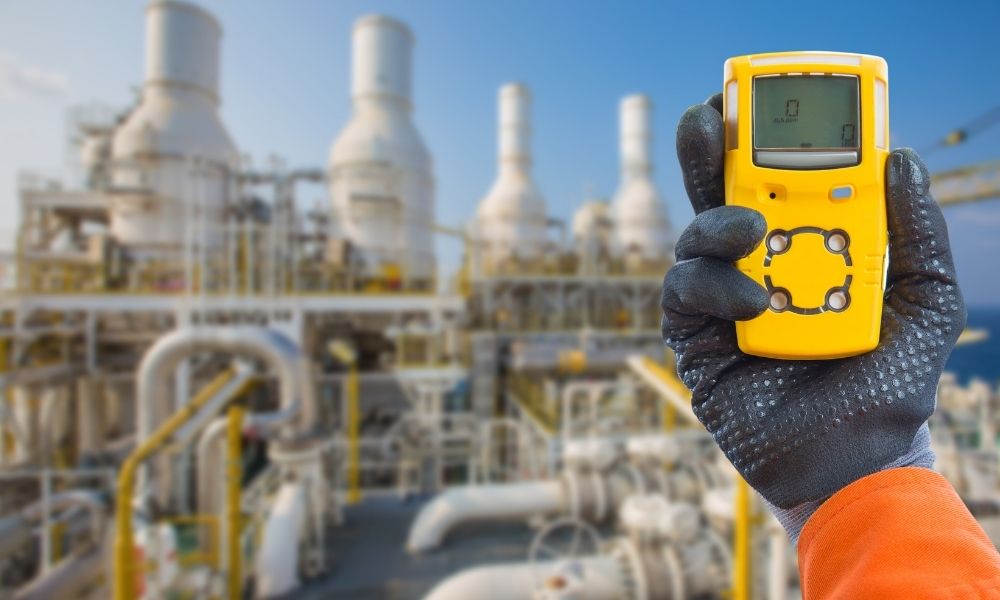
Saudi Arabia Portable Gas Detection Market: Growth, Trends, Drivers and Forecast 2030
The Saudi Arabia Portable Gas Detection Market is becoming an increasingly important component of industrial safety infrastructure as organizations across the Kingdom place greater emphasis on protecting workers from hazardous gas exposure. Portable gas detectors are widely used to identify toxic, combustible, and oxygen-deficient atmospheres, enabling personnel to respond quickly before dangerous conditions escalate into serious incidents.
According to TechSci Research report, “Saudi Arabia Portable Gas Detection Market – By Region, Competition, Forecast and Opportunities, 2030F”, Saudi Arabia Portable Gas Detection Market was valued at USD 73 million in 2024 and is expected to reach at USD 103.89 Million in 2030 and project robust growth in the forecast period with a CAGR of 5.9% through 2030.
Saudi Arabia's continuing industrial diversification is creating demand for reliable gas detection solutions across oil and gas, chemicals and petrochemicals, mining, power generation, water and wastewater, construction, and other industries. At the same time, the country's broader industrial transformation under Vision 2030 is encouraging businesses to modernize operational and safety systems.
The shift toward proactive workplace safety is particularly significant. Businesses are increasingly moving beyond basic compliance and incorporating safety technologies into broader risk-management strategies. Portable gas detection equipment supports this transition by providing workers with immediate information about potentially hazardous atmospheric conditions.
Request For Sample Copy of Report For More Detailed Market insight
Main Drivers
Growing Focus on Workplace Safety
One of the strongest forces shaping the Saudi Arabia Portable Gas Detection Market is the growing recognition of occupational safety risks. Workers operating in industrial facilities can encounter gases that are toxic, flammable, or capable of displacing oxygen. Early identification of these hazards can significantly reduce the likelihood of accidents and protect employees working in potentially dangerous environments.
Companies are therefore increasing investments in portable gas detectors as part of comprehensive workplace safety programs. These devices provide workers with immediate warnings when hazardous concentrations are detected, allowing corrective action to be taken before conditions become critical.
Expansion of Oil and Gas Activities
Oil and gas remains central to Saudi Arabia's industrial economy and represents a major source of demand for portable gas detection equipment. Exploration, drilling, production, processing, transportation, storage, and refining activities can expose personnel to multiple hazardous gases.
The industry's continued investment in infrastructure and operational capabilities creates sustained requirements for reliable monitoring solutions. Portable devices are particularly useful because they can accompany workers across different areas of facilities, including confined spaces, processing units, maintenance zones, and field operations.
Industrial and Infrastructure Development
Saudi Arabia's economic diversification agenda is encouraging investment beyond traditional energy activities. New industrial projects, manufacturing facilities, construction developments, utilities, mining operations, and infrastructure programs are expanding the potential customer base for portable gas detection technologies.
As new facilities become operational, safety systems are increasingly being incorporated into project planning from the beginning rather than being treated as an afterthought.
Stronger Regulatory Compliance
Industrial organizations are under increasing pressure to meet safety standards and establish effective hazard-control procedures. Regulatory expectations encourage businesses to monitor workplace environments and reduce risks associated with hazardous gases.
This environment is contributing to greater adoption of dependable portable detection equipment, particularly in sectors where gas exposure is an inherent operational risk.
Emerging Trends
Smart and Connected Gas Detection
Portable gas detectors are becoming more sophisticated as digital technologies become integrated into industrial safety equipment. Modern solutions can incorporate wireless connectivity, digital displays, automated alerts, data logging, and remote monitoring capabilities.
The integration of IoT technologies could further transform how organizations manage gas-related risks. Connected detectors can potentially transmit readings to centralized systems, enabling supervisors and safety teams to monitor conditions and respond more efficiently.
Real-Time Monitoring and Early Warnings
Real-time hazard detection is becoming a core requirement for modern industrial safety programs. Instead of relying solely on periodic inspections, organizations are increasingly seeking equipment capable of continuously monitoring atmospheric conditions.
Faster alerts can help employees evacuate dangerous areas, initiate emergency procedures, or address the source of a leak before it develops into a major incident.
Multi-Gas Detection
While single-gas detectors remain useful for targeted applications, multi-gas instruments offer greater flexibility in environments where workers may encounter several hazards simultaneously. These systems can monitor combinations of combustible gases, toxic gases, and oxygen levels using a single portable device.
This versatility makes multi-gas solutions particularly relevant to complex industrial environments.
Greater Emphasis on Environmental Monitoring
Gas detection is also becoming connected to broader environmental and sustainability objectives. As environmental concerns rise, organizations may increasingly use advanced monitoring technologies to identify emissions, improve workplace air quality, and support environmental management programs.
This creates opportunities for manufacturers to develop solutions that combine personal safety monitoring with broader atmospheric and environmental measurement capabilities.
Real-World Use Cases
Oil and Gas Facilities
Oil and gas operations represent one of the most important applications for portable gas detection equipment. Workers can use detectors during drilling, production, maintenance, inspection, transportation, and refining activities.
The equipment can help identify potentially dangerous concentrations of gases and provide warnings before personnel are exposed to harmful conditions.
Chemical and Petrochemical Plants
Chemical processing environments can involve numerous gases and volatile substances. Portable detectors allow workers and safety teams to monitor atmospheric conditions during routine operations, maintenance, shutdowns, and emergency situations.
Confined-Space Operations
Confined spaces can present heightened risks because hazardous gases may accumulate while oxygen levels decline. Portable gas detectors are valuable tools for workers entering tanks, vessels, pipelines, underground structures, and other restricted areas.
Monitoring atmospheric conditions before and during entry can support safer confined-space procedures.
Mining Operations
Mining environments may expose workers to combustible or toxic gases depending on the nature of the operation. Portable monitoring equipment can provide an additional layer of protection for workers operating underground or in processing areas.
Construction and Infrastructure
As Saudi Arabia continues expanding its infrastructure, construction workers may encounter gas-related risks around pipelines, industrial sites, utilities, tunnels, and confined spaces. Portable detection devices can support safety teams in identifying unexpected atmospheric hazards.
Utilities and Water Treatment
Water and wastewater facilities can generate or encounter hazardous gases during treatment processes. Portable detectors can help maintenance personnel identify unsafe conditions and improve worker protection during inspections and servicing activities.
Competitive Analysis
Honeywell International Inc.
Drägerwerk AG & Co. KGaA
Industrial Scientific Corporation
MSA Worldwide, LLC
Crowcon Detection Instruments Ltd.
Emersion Electric Co.
SENSIT Technologies, LLC
Gesellschaft für Gerätebau mbH
Customers can also request for 10% free customization on this report.
Segmentation
The Saudi Arabia Portable Gas Detection Market can be segmented based on Type, End-User Vertical, and Region.
By Type
Single-Gas:
Single-gas detectors are designed to monitor a specific atmospheric hazard. They can be useful in applications where a particular gas represents the primary safety concern and where workers require a straightforward, compact monitoring device.
Multi-Gas:
Multi-gas detectors can monitor multiple atmospheric parameters through one portable unit. Their broader detection capability makes them suitable for complex industrial environments where workers may encounter several potential hazards.
By End-User Vertical
Oil & Gas:
Oil and gas was the leading end-user vertical in 2024 and is expected to retain its position through the forecast period. The sector's extensive operations and exposure to hazardous gases make portable detection equipment an essential component of workplace safety programs.
Chemicals & Petrochemicals:
Chemical and petrochemical facilities require continuous attention to atmospheric safety due to the handling and processing of potentially hazardous substances.
Water & Wastewater:
Treatment facilities can generate gases during biological and chemical processes, creating demand for portable monitoring equipment among maintenance and operational teams.
Power Generation & Transmission:
Power facilities can require gas detection across maintenance, confined-space, fuel-handling, and equipment-related activities.
Metal & Mining:
Mining and metal-processing environments can involve combustible, toxic, or oxygen-deficient atmospheres, creating opportunities for portable gas monitoring technologies.
By Region
Regional demand is influenced by industrial concentration, infrastructure development, commercial activity, and the presence of major energy and manufacturing operations.
Jeddah is emerging as the fastest-growing hub in the Saudi Arabia Portable Gas Detection Market. Its strategic position as a major commercial and industrial center is supporting increasing adoption of safety technologies.
Located on the Red Sea coast, Jeddah has strong connections to oil and gas-related activities, petrochemicals, construction, manufacturing, logistics, and other industrial segments. This concentration of economic activity creates a significant requirement for workplace safety solutions.
The city's sea and air connectivity also provides businesses with access to advanced industrial equipment and technologies from international manufacturers. Industrial clusters and economic development initiatives are attracting multinational businesses and investors that generally place strong emphasis on international occupational safety practices.
At the same time, continued market expansion in Jeddah will require manufacturers and users to keep pace with technological developments, regulatory requirements, workforce capabilities, and increasingly sophisticated industrial safety expectations.
FAQ
1. What is the size of the Saudi Arabia Portable Gas Detection Market?
The Saudi Arabia Portable Gas Detection Market was valued at USD 73 million in 2024 and is projected to reach USD 103.89 million by 2030.
2. What is the expected CAGR of the Saudi Arabia Portable Gas Detection Market?
The market is expected to expand at a CAGR of 5.9% through 2030, supported by workplace safety requirements, industrial expansion, and increasing adoption of advanced detection technologies.
3. Which end-user sector dominates the market?
The Oil & Gas sector led the Saudi Arabia Portable Gas Detection Market in 2024 and is expected to maintain its dominance throughout the forecast period because of the industry's extensive exposure to hazardous gases and strong emphasis on operational safety.
4. Which region is growing fastest in the Saudi Arabia Portable Gas Detection Market?
Jeddah is emerging as the fastest-growing regional hub, supported by its industrial and commercial importance, infrastructure connectivity, and expanding activities across oil and gas, petrochemicals, construction, manufacturing, and other sectors.
Contact US:
Techsci Research LLC
420 Lexington Avenue, Suite 300,
New York, United States- 10170
Tel: +13322586602
Email: [email protected]
Comments
Log in or sign up to join the conversation.