

Industry Key Highlights
Saudi Arabia Passenger Information System (PIS) Market is witnessing significant growth, driven by the modernization of transportation infrastructure across the Kingdom.
According to Techsci Research, The Saudi Arabia Passenger Information System (PIS) Market Report will grow from USD 145.37 Million in 2025 to USD 229.92 Million by 2031 at a 7.94% CAGR.
Vision 2031 initiatives continue to accelerate investments in smart transportation networks, metro systems, airports, railways, and intelligent mobility solutions.
Riyadh remains the leading regional market due to large-scale transportation projects and smart city developments.
Hardware components currently dominate the market owing to increasing deployment of digital displays, communication devices, sensors, and onboard passenger information systems.
Growing urbanization and increasing passenger expectations are encouraging transportation authorities to adopt advanced real-time information systems.
AI, IoT, cloud computing, predictive analytics, and mobile applications are becoming integral components of modern passenger information platforms.
Smart transportation projects associated with mega-developments such as NEOM, Red Sea Global, Qiddiya, and Riyadh Metro are creating substantial growth opportunities.
Integration of multimodal transportation services is becoming a key market trend.
The market is expected to experience sustained expansion as Saudi Arabia continues its transition toward intelligent and digitally connected transportation infrastructure.
Request For Sample Copy of Report For More Detailed Market insight: https://www.techsciresearch.com/sample-report.aspx?cid=22038#requestform
Introduction
Saudi Arabia is undergoing an unprecedented transformation in transportation and urban mobility. As the Kingdom advances its Vision 2030 strategy, transportation modernization has emerged as one of the most important pillars supporting economic diversification, tourism growth, urban development, and sustainability objectives.
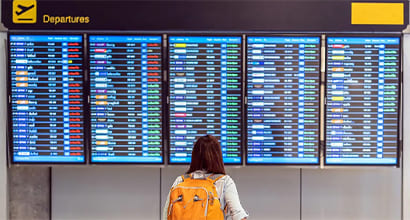
At the center of this transformation lies the Passenger Information System (PIS) market. Passenger Information Systems serve as the digital bridge between transportation operators and travelers by providing real-time information regarding schedules, delays, routes, platform changes, vehicle arrivals, safety announcements, and service updates.
In today's connected world, passengers expect instant access to travel information through digital displays, mobile applications, kiosks, websites, and onboard communication systems. Transportation authorities are increasingly recognizing that efficient information delivery significantly improves passenger satisfaction, operational efficiency, and overall mobility experiences.
Saudi Arabia's investment in smart cities, intelligent transportation systems (ITS), metro rail projects, airports, and digital infrastructure has created fertile ground for Passenger Information System adoption. As transportation networks become increasingly complex, the demand for sophisticated communication and information platforms continues to grow.
The Saudi Arabia Passenger Information System Market is therefore evolving from a simple announcement mechanism into a comprehensive digital ecosystem powered by artificial intelligence, cloud computing, Internet of Things (IoT), big data analytics, and real-time communication technologies.
Key Market Drivers
Vision 2030 and Transportation Modernization
One of the strongest growth drivers for the Passenger Information System Market is Saudi Arabia's Vision 2030 initiative.
The Kingdom has committed billions of dollars toward transforming transportation infrastructure to create world-class mobility networks. Large-scale projects involving metro systems, airports, high-speed railways, and smart transportation corridors require advanced passenger communication technologies.
Passenger Information Systems play a crucial role in supporting these projects by improving operational transparency, reducing passenger uncertainty, and enhancing overall service quality.
Government authorities recognize that transportation efficiency extends beyond physical infrastructure. Delivering accurate information to passengers is equally important in creating seamless travel experiences.
As Vision 2030 projects continue to progress, demand for integrated information systems is expected to accelerate significantly.
Rapid Urbanization
Saudi Arabia's urban population continues to grow steadily, particularly in major cities such as Riyadh, Jeddah, Dammam, and Makkah.
Urbanization places increasing pressure on transportation networks. Growing populations generate higher passenger volumes, making efficient mobility management a necessity rather than a luxury.
Passenger Information Systems help transportation operators manage increasing traffic by providing real-time information regarding schedules, vehicle locations, congestion levels, and alternative routes.
The need to support millions of daily commuters is driving widespread implementation of advanced passenger communication technologies across transportation networks.
Growth of Public Transportation Networks
Historically, private vehicles dominated transportation within Saudi Arabia. However, significant investments in public transportation are changing this dynamic.
Major developments include:
Riyadh Metro
Intercity rail networks
Smart bus systems
Airport modernization projects
High-speed railway initiatives
Integrated urban transportation corridors
Emerging Trends in the Saudi Arabia Passenger Information System Market
Artificial Intelligence-Powered Passenger Communication
Artificial Intelligence is revolutionizing Passenger Information Systems.
AI-powered solutions can analyze passenger flow patterns, predict delays, identify congestion points, and deliver personalized travel recommendations.
Transportation operators are increasingly utilizing AI to:
Predict service disruptions
Optimize passenger flow
Improve route planning
Enhance operational efficiency
Deliver intelligent notifications.
Internet of Things (IoT) Integration
The integration of IoT devices is transforming transportation infrastructure into intelligent ecosystems.
Connected sensors installed across stations, vehicles, platforms, and transportation hubs continuously generate operational data.
IoT-enabled Passenger Information Systems provide:
Real-time vehicle tracking
Occupancy monitoring
Environmental condition monitoring
Predictive maintenance alerts
Automated service updates
Mobile-First Passenger Experiences
Mobile applications are rapidly becoming the preferred communication channel for passengers.
Modern PIS solutions increasingly prioritize mobile engagement through:
Journey planning applications
Real-time notifications
Digital ticketing integration
Interactive route maps
Location-based services
The mobile-first approach enables transportation authorities to communicate directly with passengers regardless of their location.
This trend is expected to become a defining characteristic of future passenger information platforms.
Cloud-Based Passenger Information Systems
Cloud technology is reshaping the deployment model of Passenger Information Systems.
Cloud-based platforms offer:
Scalability
Lower infrastructure costs
Real-time updates
Centralized management
Enhanced cybersecurity capabilities
Transportation authorities increasingly prefer cloud solutions due to their flexibility and ability to support large-scale transportation networks.
The adoption of Software-as-a-Service (SaaS) models is expected to grow significantly during the forecast period.
Multimodal Transportation Integration
One of the most important trends shaping the market is multimodal integration.
Passengers increasingly utilize multiple transportation modes during a single journey, including:
Metro systems
Buses
Railways
Airports
Ride-sharing services
Micromobility solutions
Market Challenges
High Initial Investment Requirements
Deploying comprehensive Passenger Information Systems requires substantial investment.
Costs associated with hardware installation, networking infrastructure, software development, and maintenance can be significant.
While long-term benefits justify these investments, initial expenditure remains a challenge for some transportation operators.
Integration with Legacy Infrastructure
Many transportation networks continue to operate legacy systems.
Integrating modern Passenger Information Systems with existing infrastructure often presents technical complexities and implementation challenges.
Transportation authorities must carefully manage digital transformation initiatives to minimize operational disruptions.
Data Privacy and Cybersecurity Concerns
As Passenger Information Systems become increasingly connected, cybersecurity becomes more critical.
Real-time transportation networks generate large volumes of passenger and operational data.
Protecting this information from cyber threats requires robust security frameworks, continuous monitoring, and regulatory compliance.
Workforce and Technical Expertise
The successful deployment of advanced Passenger Information Systems requires specialized expertise.
Skills related to:
Data analytics
AI development
Cloud architecture
Network security
IoT deployment
are increasingly important.
Building and maintaining a skilled workforce remains a key priority for transportation operators and technology providers.
Competitive Analysis
Siemens AG
Huawei Technologies Co., Ltd.
Advantech Co., Ltd.
Indra Sistemas, S.A.
Thales S.A
Toshiba Corporation
Mitsubishi Electric Corporation
Teleste Corporation
Customers can also request for 10% free customization on this report.
Future Outlook
The future of the Saudi Arabia Passenger Information System Market appears exceptionally promising.
Several transformational factors are expected to drive long-term growth:
Continued Vision 2030 implementation
Expansion of Riyadh Metro and rail projects
Growth in smart city developments
Increasing tourism activities
Rising urban populations
Adoption of AI-powered transportation management
Expansion of IoT-enabled infrastructure
Greater reliance on cloud-based communication platforms
Development of integrated multimodal transportation ecosystems
Growing emphasis on passenger-centric mobility experiences
10 Benefits of This Research Report
1. Comprehensive Market Intelligence
Provides a complete understanding of current market dynamics and future opportunities.
2. Detailed Market Forecasts
Offers accurate projections supporting strategic business planning.
3. Competitive Benchmarking
Analyzes leading companies and their strategic positioning.
4. Investment Opportunity Identification
Highlights high-growth segments and emerging revenue streams.
5. Technology Trend Analysis
Examines innovations influencing future market development.
6. Regional Opportunity Assessment
Identifies high-potential regions across Saudi Arabia.
7. Risk Evaluation
Provides insights into market challenges and potential restraints.
8. Customer Demand Analysis
Explores changing passenger expectations and adoption patterns.
9. Strategic Decision Support
Enables organizations to develop effective market entry and expansion strategies.
10. Long-Term Industry Outlook
Delivers actionable insights into future growth trajectories and market transformation.
Contact US:
Techsci Research LLC
420 Lexington Avenue, Suite 300,
New York, United States- 10170
Tel: +13322586602
Email: [email protected]
Web: https://www.techsciresearch.com/
Comments
Log in or sign up to join the conversation.