

Introduction
The Saudi Arabia Fuel Station Market is evolving from a conventional refueling network into a broader mobility and convenience ecosystem. Fuel stations are increasingly incorporating digital payments, convenience retail, food services, vehicle-related offerings, and emerging energy infrastructure to respond to changing consumer expectations.
According to TechSci Research report, “Saudi Arabia Fuel Station Market - By Region, Competition Forecast & Opportunities, 2031F, The Saudi Arabia Fuel Station Market will grow from USD 34.52 Billion in 2025 to USD 46.05 Billion by 2031 at a 4.92% CAGR.
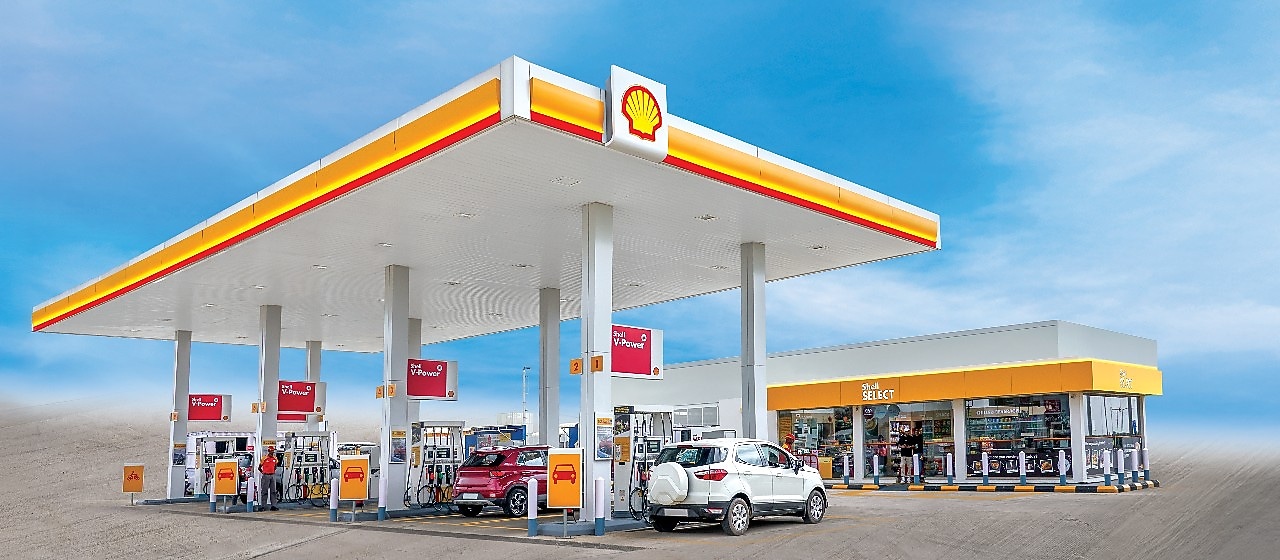
Saudi Arabia's expanding urban population, growing vehicle ownership, infrastructure development, logistics activity, and increasing movement of people and goods are supporting fuel demand. At the same time, technological developments are changing how stations operate and interact with customers.
Digital transformation has introduced cashless payments, mobile applications, station-location services, loyalty programs, automated fueling systems, and smart inventory management. Consumers increasingly expect fuel stations to provide quick, convenient, and integrated services rather than simply selling petrol or diesel.
The country's transition toward cleaner transportation is also creating new opportunities. As electric vehicle adoption increases, fuel station operators are exploring EV charging infrastructure alongside conventional fuel services. Alternative fuels, smart technologies, and enhanced retail offerings could further reshape the competitive landscape through 2031.
Industry Key Highlights
The Saudi Arabia Fuel Station Market is projected to increase from USD 34.52 billion in 2025 to USD 46.05 billion by 2031.
The market is expected to register a 4.92% CAGR during the forecast period.
Jeddah is the fastest-growing region in the Saudi Arabia Fuel Station Market.
The road transport vehicle segment was the fastest-growing end-use segment in 2024.
Increasing urbanization and infrastructure investment are creating additional demand for strategically located fuel stations.
Digital payments, loyalty applications, and station-locator technologies are improving customer convenience.
EV charging infrastructure is emerging as an important diversification opportunity.
IoT-enabled monitoring is helping operators manage fuel inventories and optimize delivery.
Convenience stores, restaurants, car washes, and automated services are expanding the revenue potential of fuel stations.
Vision 2030-driven infrastructure development is supporting greater mobility and transportation activity.
Request For Sample Copy of Report For More Detailed Market insight
Main Drivers
Growing Road Transportation Activity
Road transportation is a fundamental component of Saudi Arabia's economy. The expansion of logistics, construction, retail, manufacturing, and infrastructure activities is increasing the movement of commercial and passenger vehicles.
The growing number of trucks, delivery vehicles, buses, and private automobiles is generating consistent demand for petrol and diesel. Fuel stations located along major highways, industrial corridors, ports, and commercial centers are particularly well positioned to benefit from increasing vehicle traffic.
Infrastructure Development Under Vision 2030
Saudi Arabia is investing extensively in transportation infrastructure, urban development, industrial projects, residential communities, and commercial centers as part of its broader economic diversification agenda.
New roads and upgraded transportation corridors are improving connectivity between cities and economic zones. As new communities and commercial districts emerge, demand for accessible refueling infrastructure is also increasing.
Fuel station operators have an opportunity to establish facilities in developing areas before traffic volumes reach maturity, while existing stations can benefit from increasing vehicle movement along upgraded transportation networks.
Increasing Vehicle and Logistics Demand
The expansion of e-commerce and organized retail is creating greater demand for delivery and logistics services. Businesses require commercial vehicles to transport products between warehouses, distribution centers, stores, ports, and customers.
This growth in road-based freight activity is translating into greater fuel consumption. The logistics industry's expansion is therefore an important contributor to the fuel station market, particularly for stations serving commercial transportation corridors.
Digitalization of Fuel Stations
Technology is transforming the customer experience at fuel stations. Cashless payment systems, mobile applications, loyalty programs, digital receipts, and location-based services allow customers to complete transactions more conveniently.
Operators can also use digital platforms to understand purchasing behavior, manage loyalty programs, deliver personalized promotions, and improve customer retention.
Automated fueling systems and self-service technologies can further reduce waiting times while improving operational efficiency.
Expansion of Convenience Services
Modern fuel stations are increasingly becoming multi-service destinations. Convenience stores, restaurants, cafés, car washes, vehicle maintenance services, and other offerings allow operators to generate revenue beyond fuel sales.
This trend is particularly relevant in urban areas where customers value the ability to complete multiple tasks during a single stop.
Emerging Trends
Integration of EV Charging Infrastructure
The gradual increase in electric vehicle adoption is encouraging fuel station operators to diversify their energy offerings. EV charging points can allow conventional fuel stations to serve a broader range of vehicles as the transportation ecosystem changes.
Government initiatives supporting cleaner transportation and lower carbon emissions are expected to create further opportunities for charging infrastructure.
Rather than immediately replacing conventional fuel services, EV charging is emerging as an additional component of the evolving fuel station business model.
Smart Fuel Station Technology
IoT-connected equipment is enabling operators to monitor fuel levels, equipment performance, inventory, and station operations in real time.
Smart monitoring can help identify potential equipment issues, improve replenishment planning, reduce unnecessary inventory costs, and ensure that fuel supplies are maintained efficiently.
Automated and Self-Service Operations
Automation is gaining importance as operators seek to improve throughput and reduce customer waiting times. Self-service fueling, automated payment systems, digital receipts, and connected equipment can streamline station operations.
These technologies can also reduce the amount of manual intervention required for routine activities.
Alternative Fuel Opportunities
Growing environmental awareness and interest in cleaner energy are creating opportunities for fuel stations to explore alternatives such as compressed natural gas (CNG) and hydrogen.
Although conventional petrol and diesel remain central to the market, alternative energy infrastructure could become increasingly relevant as Saudi Arabia's transportation ecosystem evolves.
Fuel Stations as Mobility Hubs
The traditional concept of a fuel station is expanding. Future stations can combine conventional fueling with charging, food, retail, vehicle services, digital payments, and customer amenities.
This transformation can increase the amount of time customers spend at stations while creating additional revenue streams for operators.
Real-World Use Cases
Highway and Long-Distance Transportation
Fuel stations positioned along major highways serve passenger vehicles, buses, trucks, and other commercial transportation. High vehicle traffic makes these locations important for maintaining uninterrupted mobility across Saudi Arabia.
Operators can increase customer value by combining refueling with restaurants, convenience stores, rest facilities, and vehicle services.
Logistics and Freight Operations
Logistics companies depend heavily on reliable access to fuel. Stations near ports, industrial areas, distribution centers, and major transportation routes can serve high volumes of commercial vehicles.
Digital fleet-management and payment solutions can further simplify fuel purchasing and expense tracking for commercial operators.
Urban Mobility
Large cities require strategically positioned fueling infrastructure to serve commuters, commercial fleets, and private vehicles. As urban areas expand, stations can become integrated into larger commercial developments.
Jeddah represents a significant example of this trend because its expanding population, commercial activity, tourism, and infrastructure development are increasing transportation requirements.
EV Charging
Fuel stations can install charging points to accommodate electric vehicles while continuing to provide conventional fuels. This creates an opportunity for operators to participate in the emerging EV ecosystem without abandoning existing customers.
Retail and Convenience Services
A station can combine fueling with convenience retail, food outlets, car washes, and automated services. This integrated model can increase customer engagement and create additional sources of revenue.
Competitive Analysis
Saudi Arabian Oil Company
ADNOC Distribution
Emirates National Oil Company
TotalEnergies SE
Shell plc
Petromin Corporation
Aldrees Petroleum and Transport Services Company
Saudi Automotive Services Company
Al-Dabbagh Group
Aljomaih Energy and Water Company
Customers can also request for 10% free customization on this report.
Segmentation
The Saudi Arabia Fuel Station Market is segmented based on fuel type, end-use, and region.
By Fuel Type
Petrol
Diesel
Gas
Others
Petrol and diesel continue to form the core of the Saudi Arabian fueling ecosystem because of the country's substantial road transportation activity. However, gas and other emerging fuel categories can gain importance as the transportation sector becomes more diversified.
By End-Use
Road Transport Vehicle
Air Transport Vehicle
Water Transport Vehicle
Others
The road transport vehicle segment was the fastest-growing segment in 2024. Its growth is closely associated with expanding logistics, infrastructure, e-commerce, retail, and transportation activities.
Increasing commercial vehicle fleets, development of highways, and improved transportation connectivity are contributing to greater fuel demand from road-based mobility.
Industrial areas, ports, logistics centers, and major transportation corridors are particularly important demand centers for this segment.
By Region
Riyadh
Jeddah
Dammam
Makkah
Madinah
Others
Jeddah is the fastest-growing region in the Saudi Arabia Fuel Station Market. Its position as a major commercial and transportation hub, combined with rapid urbanization and infrastructure development, is supporting strong demand for fuel stations.
The city's proximity to the Red Sea contributes to its importance in trade, tourism, and logistics. Jeddah also serves as a major gateway for pilgrims traveling toward Makkah during Hajj and Umrah seasons, contributing to increased transportation activity.
The expansion of residential developments, shopping centers, business districts, and transportation corridors is creating additional opportunities for new fueling facilities.
Jeddah's diverse economy and increasing demand for convenience-oriented services are also encouraging fuel stations to incorporate restaurants, retail stores, car washes, and other customer-focused offerings.
4 FAQs
1. What is the size of the Saudi Arabia Fuel Station Market?
The Saudi Arabia Fuel Station Market is projected to grow from USD 34.52 billion in 2025 to USD 46.05 billion by 2031, expanding at a 4.92% CAGR during the forecast period.
2. What are the major factors driving the Saudi Arabia Fuel Station Market?
Major growth factors include increasing road transportation activity, infrastructure development, expanding logistics operations, urbanization, rising vehicle usage, digitalization, and the development of convenience-oriented services at fuel stations.
3. Which is the fastest-growing region in the Saudi Arabia Fuel Station Market?
Jeddah is the fastest-growing region, supported by urban expansion, commercial and logistics activity, infrastructure development, tourism, pilgrimage-related transportation, and increasing vehicle traffic.
4. Which end-use segment is growing fastest in the Saudi Arabia Fuel Station Market?
The road transport vehicle segment was the fastest-growing end-use segment in 2024, driven by expanding logistics, transportation, e-commerce, infrastructure development, commercial vehicle fleets, and highway connectivity.
Contact US:
Techsci Research LLC
420 Lexington Avenue, Suite 300,
New York, United States- 10170
Tel: +13322586602
Email: [email protected]
Comments
Log in or sign up to join the conversation.