

According to TechSci Research report, “Saudi Arabia Cleaning Robots Market Share– By Region, Competition, Forecast and Opportunities, 2031F”, The Saudi Arabia Cleaning Robots Market will grow from USD 134.56 Million in 2025 to USD 333.13 Million by 2031 at a 16.31% CAGR.
Cleaning robots have evolved significantly from basic autonomous vacuuming machines. Today's solutions combine artificial intelligence (AI), advanced sensors, Internet of Things (IoT) connectivity, mapping systems, navigation technologies, and automated decision-making capabilities. These features allow robotic systems to perform cleaning activities with greater accuracy while adapting to changing surroundings.
The growing adoption of smart technologies is one of the most important factors supporting market development in Saudi Arabia. Connected cleaning robots can identify spaces, navigate around obstacles, schedule cleaning activities, monitor performance, and provide users with operational information remotely. Smartphone and tablet connectivity also allows users and facility managers to control cleaning activities without being physically present.
This transformation is particularly relevant to Saudi Arabia, where rapid urban development, smart-city initiatives, expanding commercial infrastructure, and increasing investment in hospitality, healthcare, retail, and real estate are creating new opportunities for automated cleaning solutions.
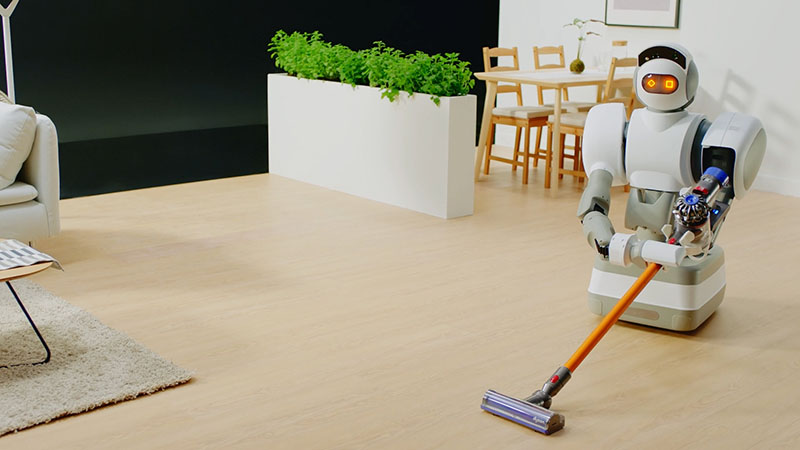
Industry Key Highlights
The Saudi Arabia Cleaning Robots Market is expected to grow from USD 134.56 million in 2025 to USD 333.13 million by 2031.
The market is forecast to register a 16.31% CAGR between 2025 and 2031.
Smart technologies, AI, IoT connectivity, advanced sensors, and navigation systems are reshaping robotic cleaning solutions.
The Commercial segment dominated the market in 2024 and is expected to retain its leading position throughout the forecast period.
Jeddah is emerging as the fastest-growing region within the Saudi Arabia Cleaning Robots Market.
Commercial establishments such as hotels, shopping centers, offices, healthcare facilities, and other high-traffic locations are important users of cleaning robots.
Vision 2030 and the Kingdom's emphasis on smart infrastructure are creating favorable conditions for automation technologies.
Demand is being supported by increasing attention toward hygiene, productivity, labor optimization, sustainability, and operational efficiency.
Cleaning robots are becoming increasingly adaptable to different environments, ranging from residential properties to large commercial and industrial facilities.
Request For Sample Copy of Report For More Detailed Market insight
Main Drivers
Integration of AI, IoT and Smart Sensors
Technology is at the center of the Saudi Arabia Cleaning Robots Market's growth. Modern robots use sophisticated sensors and AI-powered systems to understand their surroundings and determine the most efficient way to complete cleaning tasks.
Instead of following a simple predetermined route, intelligent robots can detect obstacles, map their operating environment, identify changes in floor conditions, and modify their movements accordingly. This improves cleaning consistency and reduces unnecessary movement.
IoT connectivity adds another layer of functionality. Connected devices can be monitored remotely, allowing users to start, stop, schedule, and supervise cleaning operations through digital devices. Businesses can also use operational data to evaluate cleaning frequency, productivity, and resource utilization.
Rapid Urbanization and Infrastructure Development
Saudi Arabia is experiencing extensive urban and infrastructure development. New residential communities, hotels, malls, airports, offices, hospitals, and mixed-use developments require reliable cleaning and facility-management solutions.
As the number and scale of facilities increase, conventional cleaning methods can become increasingly resource-intensive. Cleaning robots provide an automated alternative capable of supporting repetitive cleaning operations across large spaces.
Growing Commercial Sector
Commercial properties represent a major demand center for cleaning robots. Shopping malls, hotels, offices, retail outlets, airports, and entertainment facilities often experience substantial foot traffic and require frequent cleaning.
Automated systems can operate consistently across large areas and, depending on the application, can perform cleaning during off-peak periods. This makes robotic solutions attractive to organizations seeking to improve service quality while optimizing operational expenditure.
Greater Focus on Hygiene and Cleanliness
The importance of maintaining high hygiene standards has increased considerably in public and commercial environments. Businesses increasingly view cleanliness as part of customer experience, workplace safety, and brand reputation.
Cleaning robots can support standardized cleaning routines and reduce dependence on manual intervention for repetitive tasks. Their ability to provide scheduled and consistent cleaning makes them particularly relevant for high-traffic facilities.
Vision 2030 and Smart Infrastructure
Saudi Arabia's Vision 2030 agenda is encouraging investment in technology, smart infrastructure, automation, and improved quality of life. Cleaning robots fit naturally into this transformation because they combine automation, digital connectivity, and resource optimization.
As smart buildings and digitally managed facilities become more common, demand for connected robotic cleaning solutions is likely to increase.
Emerging Trends
Greater Adoption of Autonomous Navigation
Navigation technology is becoming a defining feature of modern cleaning robots. Advanced mapping and positioning systems allow robots to create digital representations of facilities and optimize cleaning routes.
This trend is particularly useful in large commercial buildings where manually directing machines across every area would be inefficient.
Expansion of Connected Cleaning Ecosystems
Cleaning robots are increasingly becoming part of connected facility-management environments. IoT-enabled systems can transmit operational information, maintenance alerts, cleaning status, and performance data.
The integration of robots with broader building-management systems could enable organizations to coordinate cleaning activities with occupancy levels, operating hours, and facility requirements.
Customizable Cleaning Programs
Users are moving toward cleaning solutions that can be tailored to specific needs. Modern robotic platforms can support customized schedules and cleaning patterns based on room type, usage levels, and operating conditions.
This flexibility is important for businesses managing facilities with different cleaning requirements across multiple areas.
Sustainable Cleaning Solutions
Resource efficiency is becoming increasingly important for organizations in Saudi Arabia. Robotic systems can potentially support more controlled use of cleaning resources while reducing unnecessary movement and improving operational planning.
As businesses increasingly incorporate sustainability objectives into facility management, energy-efficient and resource-conscious robotic cleaning technologies may gain additional traction.
Increasing Demand for Professional Cleaning Robots
While household robotic cleaners continue to develop, commercial and professional-grade machines are gaining importance. These systems are designed to manage larger areas and more demanding environments.
Their application across malls, airports, hospitals, hotels, offices, and other facilities creates substantial opportunities for manufacturers and service providers.
Real-World Use Cases
Shopping Malls
Large shopping centers require continuous attention to floors and common areas because of heavy visitor traffic. Cleaning robots can cover designated areas systematically and perform scheduled operations during quieter periods.
Hotels and Hospitality Facilities
Hotels need to maintain high cleanliness standards across lobbies, corridors, public areas, and other spaces. Robotic systems can support repetitive cleaning activities while allowing employees to concentrate on guest-facing services.
Healthcare Facilities
Hospitals and healthcare facilities require consistent cleaning practices. Cleaning robots can assist with routine floor-cleaning operations in appropriate areas, supporting facility staff and maintaining standardized cleaning schedules.
Airports and Transportation Hubs
Airports are large, high-traffic environments where cleaning requirements remain continuous. Autonomous machines can help facility teams maintain large floor areas while reducing the amount of manual effort required for repetitive tasks.
Corporate Offices
Office buildings can use robotic systems for scheduled cleaning before, during, or after working hours. Connected functionality enables facility managers to supervise operations and adjust schedules according to building activity.
Residential Properties
In residential environments, robotic vacuum and floor-cleaning systems provide convenience by automating routine household cleaning. Smartphone connectivity and automated scheduling make these devices particularly appealing to consumers seeking time-saving solutions.
Industrial Facilities
Warehouses and industrial locations often contain expansive floor areas. Professional cleaning robots can help automate repetitive floor-maintenance activities and support workforce productivity.
Competitive Analysis
The Saudi Arabia Cleaning Robots Market includes international technology companies as well as regional and local participants. Competition is increasingly centered on navigation accuracy, AI capabilities, battery performance, cleaning efficiency, IoT connectivity, product reliability, after-sales support, and adaptability across different environments.
Major companies operating in or associated with the Saudi Arabia Cleaning Robots Market include:
iRobot
Ecovacs
Roborock
Neato
Shark
Al Futtaim Robotics
Al Naboodah Robotics
Local Cleaning Tech
ISS Robotics
Serco Robotics
Customers can also request for 10% free customization on this report.
Segmentation
The Saudi Arabia Cleaning Robots Market can be segmented based on type, product, application, and region.
By Type
The market is divided into:
Personal Cleaning Robot
Professional Cleaning Robot
Personal cleaning robots are primarily designed for residential environments, while professional cleaning robots are developed for larger and more demanding commercial, industrial, and institutional applications.
By Product
The market includes:
Floor-Cleaning Robot
Pool-Cleaning Robot
Lawn-Cleaning Robot
Window-Cleaning Robot
Others
Floor-cleaning robots represent an important product category because floor maintenance is required across residential, commercial, healthcare, hospitality, and industrial environments.
By Application
The market is segmented into:
Residential
Commercial
Industrial
Healthcare
Others
In 2024, the Commercial segment held the dominant position in the Saudi Arabia Cleaning Robots Market. This leadership is expected to continue throughout the forecast period.
The strong performance of the Commercial segment can be attributed to widespread use across businesses, hotels, shopping centers, office buildings, and other high-traffic facilities. These environments require frequent and consistent cleaning, making automation particularly valuable.
The commercial sector's focus on operational efficiency and cost management has further encouraged the use of robotic cleaning equipment. Advanced features such as AI-powered navigation, IoT connectivity, mapping, and automated scheduling make professional cleaning robots suitable for complex commercial environments.
By Region
The Saudi Arabia Cleaning Robots Market covers major regions of the Kingdom, with Jeddah emerging as the fastest-growing area.
Jeddah's position as a major commercial and industrial center is supporting demand for advanced cleaning technologies. The city has substantial activity across hospitality, retail, healthcare, commercial real estate, and other sectors where maintaining high standards of cleanliness is essential.
Its location along the Red Sea also contributes to its importance as a commercial gateway, supporting technology inflows and business activity. Expanding infrastructure and urban development are creating additional requirements for automated facility-management solutions.
However, adoption can still be constrained by high upfront investment requirements, technology-integration challenges, and the need to adapt robotic systems to existing operational workflows. Greater collaboration between technology providers, facility operators, and relevant stakeholders can help address these barriers.
4 Frequently Asked Questions
1. What is the size of the Saudi Arabia Cleaning Robots Market?
The Saudi Arabia Cleaning Robots Market is projected to grow from USD 134.56 million in 2025 to USD 333.13 million by 2031.
2. What is the expected CAGR of the Saudi Arabia Cleaning Robots Market?
The market is expected to expand at a 16.31% CAGR from 2025 to 2031, reflecting growing demand for automated and intelligent cleaning technologies.
3. Which segment dominated the Saudi Arabia Cleaning Robots Market in 2024?
The Commercial segment dominated the market in 2024 and is expected to maintain its leading position during the forecast period. Strong demand from hotels, shopping centers, offices, businesses, and other high-traffic facilities is supporting this segment.
4. Which region is expected to grow fastest in the Saudi Arabia Cleaning Robots Market?
Jeddah is emerging as the fastest-growing region. Its expanding commercial infrastructure, hospitality industry, healthcare facilities, retail activity, and adoption of advanced technologies are contributing to the increasing demand for robotic cleaning solutions.
Contact US:
Techsci Research LLC
420 Lexington Avenue, Suite 300,
New York, United States- 10170
Tel: +13322586602
Email: [email protected]
Web: https://www.techsciresearch.com/
Comments
Log in or sign up to join the conversation.