

Same-Day Dental Implants in Langhorne: Are You a Candidate?
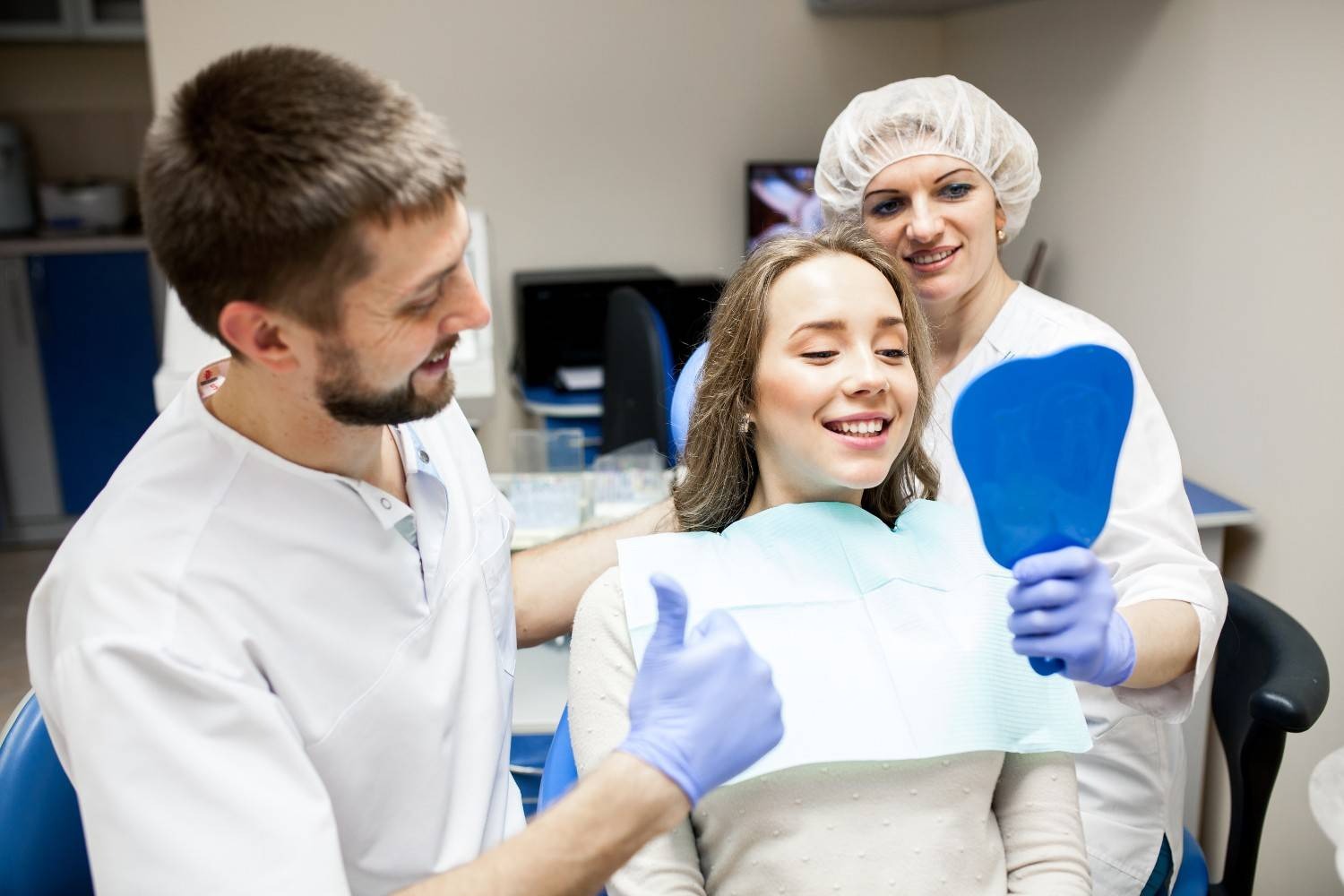
Walking around with a gap in your smile for months while you wait on a traditional implant timeline isn't appealing to anyone. That's why same-day dental implants, also called immediate-load implants, have become one of the most searched topics in restorative dentistry this year. But here's the honest truth: not everyone qualifies, and understanding why matters more than the marketing headlines suggest. If you're exploring dental implants in Langhorne and want a faster path to a complete smile, here's what actually determines candidacy.
If you've been researching dental implants Langhorne PA timelines, asking a langhorne dentist about faster options, or searching for a dentist near Langhorne PA who offers same-day treatment, you've probably noticed the answers online vary wildly. Patients typing dental implants langhorne or dentist langhorne pa into a search bar are usually looking for one thing: a straight answer about whether same-day treatment is realistic for their case. That's exactly what this guide covers, and why so many people searching langhorne dental implants end up here first.
Same-day dental implants allow a temporary crown to be placed on the same day as implant surgery, rather than waiting three to six months. Good candidates typically have strong jawbone density, healthy gums, and no active infection at the implant site. A dentist near Langhorne, PA can confirm eligibility with a 3D scan.
Key Takeaways
Same-day implants place a temporary crown immediately, with the permanent crown following after healing.
Candidacy depends on bone density, gum health, bite habits, and overall medical history.
Not everyone qualifies right away, but a short prep step can often make it possible later.
3D imaging is essential for an accurate, safe treatment plan.
The real benefit is improved daily function and confidence throughout the healing period, not just speed.
Main Content
What "Same-Day" Actually Means
Traditional implants follow a two-stage process. First, the titanium post is placed and given several months to fuse with your jawbone, a process called osseointegration. Only after that healing period does your dentist attach the permanent crown.
Same-day implants compress that timeline by placing a temporary restoration immediately after surgery. You leave with a functional tooth the same day, while the permanent crown is fitted later once healing is confirmed. It's not skipping steps, it's reordering them.
Who Qualifies for Same-Day Treatment
Not every patient is a candidate, and a reputable dentist won't pretend otherwise. The main factors we evaluate include:
Bone density and volume. Your jawbone needs enough strength to hold the implant securely from day one, since it's bearing pressure before full fusion occurs.
Gum health. Active periodontal disease needs to be treated first. Placing an implant into infected tissue sets up the procedure to fail.
Bite force and grinding habits. Patients who clench or grind heavily may need a traditional timeline to avoid stressing the implant too early.
Overall health. Conditions like uncontrolled diabetes or a history of certain bone medications can affect healing speed and candidacy.
If any of these factors aren't ideal, that doesn't mean implants are off the table entirely. It often just means a short prep period, such as a bone graft or periodontal treatment, before moving forward.
How the Process Works, Step by Step
Consultation and 3D imaging. A CT scan maps your jawbone in detail so your dentist can plan implant placement precisely.
Same-day surgery. The implant post is placed, and a temporary crown or bridge is attached before you leave the office.
Healing period. Over the following three to six months, the implant fuses with your bone while you use the temporary restoration normally.
Final restoration. Once healing is confirmed, your permanent crown is placed for a natural, long-term result.
The Real Advantage Isn't Just Speed
Patients often assume same-day implants are appealing purely because they skip the "walking around with a gap" phase. That's true, but the bigger benefit is quality of life during healing. You can eat more normally, speak without a noticeable gap, and avoid the psychological toll of an incomplete smile during recovery.
Why an Accurate Evaluation Matters More Than a Quick Yes
Some practices market same-day implants aggressively without a thorough workup. That's a mistake that can lead to implant failure. At Yardley Dental Arts, Dr. Purvi Patel uses our Green CT 3D Scanner to get a precise, low-radiation image of your jawbone before recommending any timeline. If same-day placement isn't the right fit for your case, we'll tell you honestly and walk you through what will get you there safely, whether that's a short healing period or a preparatory procedure.
Single Tooth vs. Full Arch Same-Day Cases
Same-day treatment looks a little different depending on how many teeth you're replacing. For a single missing tooth, same-day placement is often straightforward when bone and gum conditions are favorable, and the temporary crown can closely match the shade and shape of your natural teeth. For full-arch cases, same-day treatment usually means a fixed temporary bridge supported by four to six implants, sometimes called an All-on-4 or All-on-6 approach. These full-arch cases require more extensive planning and typically involve a longer surgical appointment, but they follow the same basic principle: functional, fixed teeth on day one, with a refined permanent restoration to follow.
What Recovery Actually Looks Like Week by Week
The first 48 to 72 hours are typically the most noticeable, with mild swelling and soreness that responds well to over-the-counter pain relief or a short course of prescribed medication if needed. By the end of week one, most patients are back to normal daily activities, though a softer diet is still recommended. Weeks two through six are when the implant is actively fusing with the bone beneath the surface, even though it may already feel stable to you. This is why following your dentist's care instructions during this window matters, even if you're not experiencing much discomfort. By month three to six, most patients are cleared for their final, permanent crown.
Conclusion
The best way to know if same-day dental implants are right for you is a real evaluation, not a guess or a marketing promise. Yardley Dental Arts built its reputation on honest treatment planning, and Dr. Purvi Patel will tell you clearly whether same-day placement fits your case or whether a short prep step will get you there safely. Patients throughout Langhorne, Newtown, and Princeton trust this practice precisely because the answer is always based on your scan, not a sales pitch.
Don't wait months to find out where you stand. Call Yardley Dental Arts at (215) 504-2400 today to schedule your implant consultation and 3D scan, and get a real answer about your candidacy.
FAQs
How painful is same-day implant surgery? Most patients describe manageable soreness for two to three days, comparable to a tooth extraction, controlled with standard pain relief.
What if I'm not a candidate for same-day implants? You'll follow the traditional timeline instead, which still results in a highly successful, long-lasting implant. The difference is mainly the wait before your final crown.
Can I eat normally with a same-day temporary crown? You'll typically need a softer diet for the first few weeks to protect the implant while it begins to heal, then can gradually return to normal eating.
How do I find out if I qualify? The only accurate way is a consultation and 3D scan with a dentist near Langhorne, PA who can assess your bone density and gum health directly.
Does insurance cover same-day implants differently than traditional ones? Coverage is generally based on the procedure itself rather than the timeline, though every plan varies. Our office can help review your benefits.
How long does the entire same-day implant process take from start to finish? The surgery itself typically takes one to two hours, though the full process, including healing and your final crown placement, spans three to six months total.
Comments
Log in or sign up to join the conversation.