

Major VPN providers ExpressVPN, NordVPN, and IPVanish are included in a list of banned sites in Russia. TorGuard was also notified that it was required to remove its services from Russia effective immediately.
The Russian Ban
The Russian state has created an ever growing list of websites that it considers to be objectionable. Their mission seems to be banning these, sites thereby preventing their countrymen from accessing them.
The sites on the banned list cover a wide range of content. They include pirate platforms all the way to sites that are known for hosting what Russia considers to be extremist content. By law, local ISPs must block the domain of banned websites, rendering them inaccessible. That being said, there are a number of programs that make it possible for people to access content that the government is trying to block.
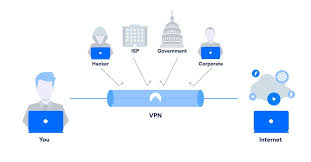
Companies like Nord VPN offer routing services and circumnavigate geo restrictions for their users.
Closing Loopholes to Get around the Ban
The Russian government is attempting to take steps to close loopholes that make it possible for its citizens to access banned content. To this end, in July 2017, President Vladimir Putin signed a bill into law designed to prevent Russian citizens from getting access to VPNs, Tor, proxies, and other services that allow them to anonymize their IP address.
The idea of the law is simple and clear-cut. Any service that facilitates access to banned websites would also find themselves banned in Russia. The blacklist kept by the Russian government is known as FGIS.
How VPN Companies Are Reacting
Foreseeing the problems that this ban would create, some VPN services opted to be proactive and leave Russia before the legislation was enacted. Others have decided to fight the proverbial fine fight and continue until the Russian government interceded. That time has come. The Russian government is tightening the noose around the necks of these VPN services.
Roscomnadzor, also known as The Federal Service for Supervision of Communications Information’s Technology and Mass Media, sent compliance notifications to a number of major VPN services that have their servers inside of Russia. These include but are not limited to:
• ExpressVPN
• Nord VPN
• IPVanish
• VPN Unlimited
• OpenVPN
The government is requiring that these VPNs work with the FGIS database. This database will allow the government to ensure that VPNs are preventing access to the websites that the government wants its citizens to avoid. A number of major search engine companies have complied. These include:
• Yandex
• Sputnik
• Mail.ru
• Rambler
A number of VPN services received a notice from the government quoting paragraph five article 15.8 of federal law number 149 – Fz that focuses on information, information technology, and the protection of information. Based on that law, the government was giving VPNs 30 days to comply with its list of blocked websites. The punishment for not doing so was being placed on a blacklist of sites that would not operate in Russia.
TorGuard has a very clear stance on these matters and decided to leave Russia of its own accord. They put out a statement where they outlined the steps they have taken to remove their physical server presence in Russia. All of the service they had in St. Petersburg and Moscow were wiped clean. They clearly stated that they will not do business in that region under those conditions.
They also reassured their users that leaving Russia was a decision that they made of their own accord, as such, none of their equipment was seized.
Included in the demand that Roscomnadzor sent to major VPN companies as well as TorGuard was a demand that the companies handover to the government details of their operations as well as the locations of their businesses.
The Benefit of Not Logging Customer Information
The Russian government was very specific in what it wanted from foreign entities. They wanted the name of the entity, the tax number, the country of residence, postal and email addresses, plus other information. When you look at the notification that TorGuard received, you do not see any demands to access VPN customer data. A good thing is that because of TorGuard's privacy policies, there would not be any data for the government to review.
According to their privacy policy, they do not store the data of their customers. So even if their servers were compromised, there is no chance that customer data could be exposed. This is undoubtedly one of the reasons why so many people love using the service.
A number of the VPN services that received threats from Russia were also able to say the same thing. For example, ExpressVPN, Nord VPN, and VyprVPN proudly declare that they carry zero logs.
It will be interesting to see how these VPN companies react to the Russian ban. Undoubtedly, they will be consulting with their legal teams to see what legal options are available to them. Some of the VPNs on Russia’s banned list may choose to comply while others may end up leaving the region altogether.



Comments
Log in or sign up to join the conversation.