

Rug Trends 2027: What Designers Will Be Asking for Next
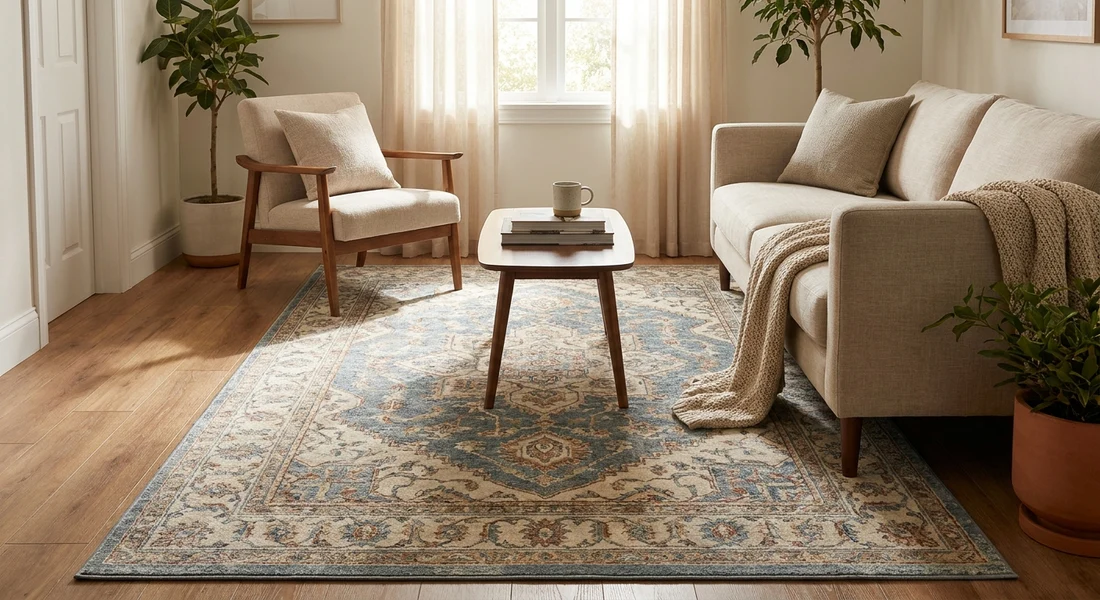
Rug trends in 2027 are moving beyond the simple question of what colors, patterns, or materials are fashionable. The bigger change is in what designers expect a rug to accomplish.
After several years of interiors becoming warmer, more layered, and increasingly personal, designers are treating rugs less as finishing touches and more as foundational design elements. The strongest rugs help establish atmosphere, connect furniture with architecture, introduce history, and make highly designed rooms feel less manufactured.
That shift favors rugs with material integrity, visible craftsmanship, irregularity, and enough personality to remain interesting long after a particular decorating trend disappears.
What the 2027 Rug Shift Really Means
The defining idea for 2027 is individuality with permanence.
Warm minimalism and collected interiors have already pushed design away from sterile rooms. The next stage is more selective. Instead of adding layers simply to make a room feel richer, designers are becoming more deliberate about which objects deserve space.
Rugs fit naturally into this approach because one carefully selected piece can introduce color, pattern, texture, history, and scale simultaneously.
Mert Yilmaz, Founder at Rug N Carpet, sees this as part of a broader movement toward rugs that feel genuinely connected to craftsmanship rather than manufactured around a temporary aesthetic.
“People are becoming more interested in where a rug comes from, how it was made, and what gives it individuality. A handmade rug does not need to look perfect to make a room feel sophisticated. Often, those variations are exactly what give the space character.”
For 2027, that distinction between something merely decorative and something with material presence will become increasingly important.
The 7 Biggest Rug Trends for 2027
1. Handmade Character Will Matter More
Perfect repetition is becoming less desirable as interiors embrace objects that reveal evidence of their making.
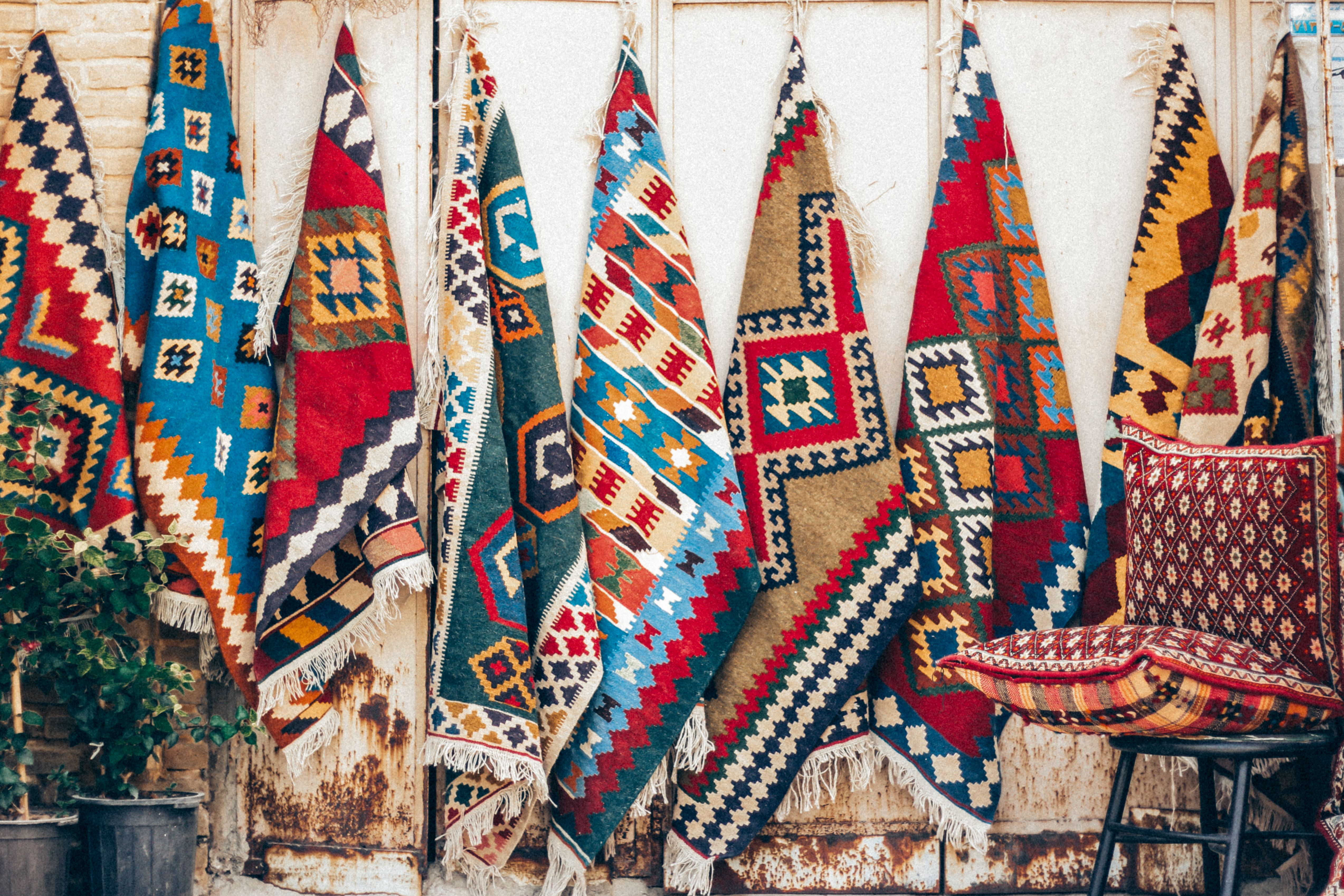
Hand-knotted rugs, kilims, antique carpets, and pieces with slight variations in weave or color fit this direction particularly well. Abrash, irregular borders, visible wool texture, and subtle asymmetry can make a rug feel individual rather than standardized.
The goal is not imperfection for its own sake. It is authenticity that can be seen and felt.
2. Earthy Colors Are Getting Deeper
Warm neutrals are not disappearing, but their palette is becoming richer.
Expect more tobacco brown, clay, olive, rust, oxblood, ochre, faded terracotta, deep blue, moss, and softened burgundy. These colors provide warmth without requiring the room to become overwhelmingly colorful.
Even neutral rugs are likely to incorporate more complex undertones instead of uniform beige or gray.
3. Antique Rugs Will Become Modern-Room Anchors
Antique rugs will continue moving beyond traditionally decorated homes.
One of their strongest 2027 applications will be in contemporary interiors where the architecture and furniture are comparatively restrained. An aged Persian, Turkish, Caucasian, or Central Asian rug can provide contrast against modern furniture, stone, plaster, glass, and clean architectural lines.
Rather than making contemporary rooms appear old-fashioned, the contrast can make both the rug and modern furnishings more distinctive.
4. Pattern Will Become More Personal
Pattern is returning, but designers are becoming less interested in patterns that are instantly recognizable as a particular year's trend.
Heritage motifs, botanical forms, tribal geometry, medallions, folk references, and unusual compositions provide greater longevity.
Patterns that reveal themselves gradually will be particularly useful. From across a room, the rug may establish color and movement; up close, smaller motifs and weaving details become visible.
5. Rugs Will Break Traditional Sizing Rules
The assumption that every living room needs one perfectly proportioned rectangular rug is weakening.
Designers are experimenting with runners in unexpected spaces, smaller antique rugs placed strategically within large rooms, irregular formats, and rugs layered over natural-fiber foundations.
This gives designers greater freedom to treat rugs as spatial tools rather than simply floor coverings.
6. Layering Will Become More Curated
Rug layering will remain important in 2027, but random layering will give way to more intentional combinations.
A quiet natural-fiber rug might establish scale while a smaller antique rug introduces color and history. A flatweave could provide graphic structure beneath furniture while another textile creates a focal point.
The strongest combinations will have contrast in texture, scale, or age without competing equally for attention.
7. “Unrepeatable” Pieces Will Gain Value
As furniture and decorative imagery become easier to reproduce, pieces that cannot be replicated perfectly become more desirable.
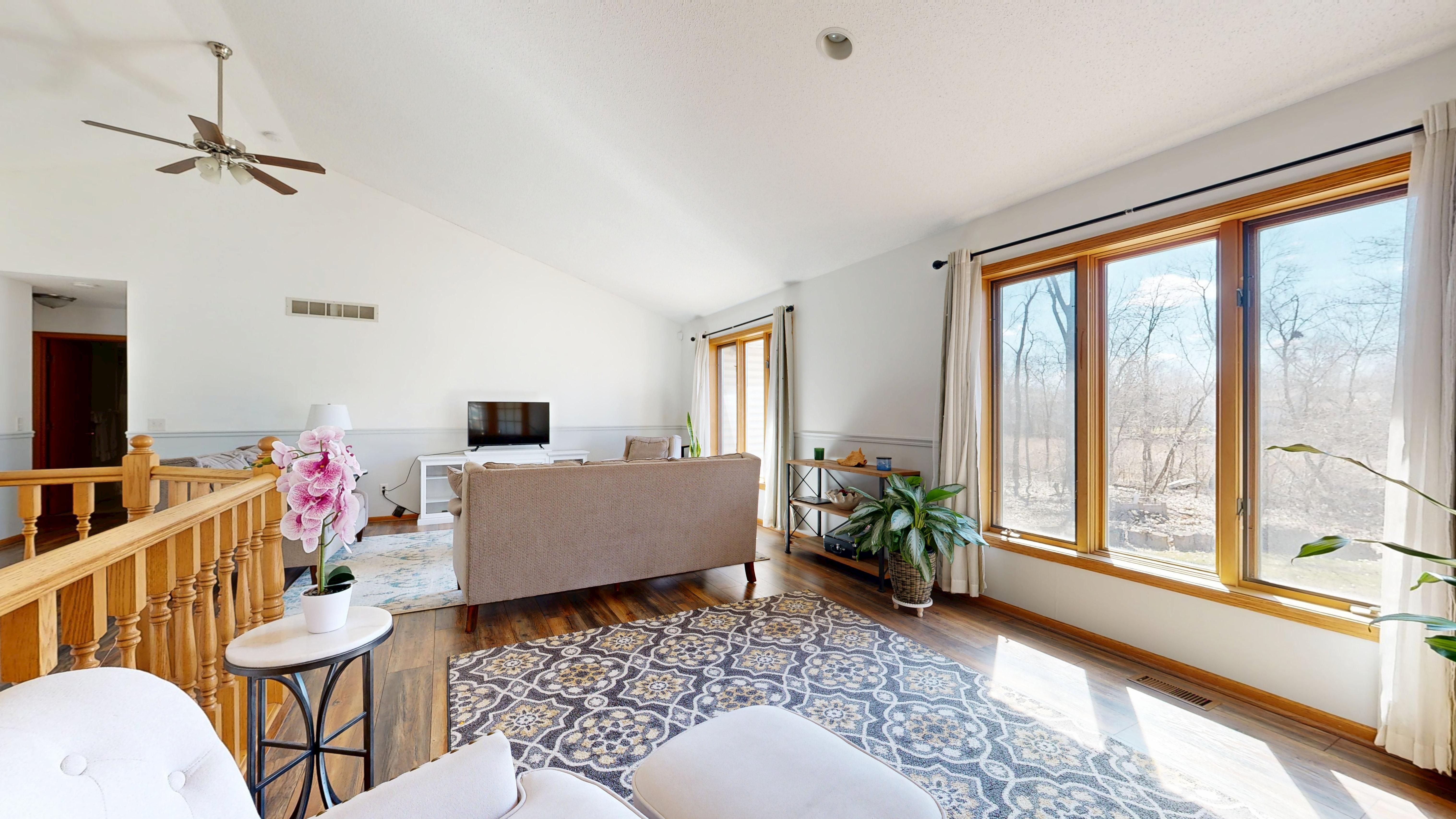
A genuinely old rug with unusual coloration, an uncommon village weaving, a one-of-a-kind handmade kilim, or a carpet whose appearance has changed naturally over decades gives an interior something difficult to duplicate.
That uniqueness is becoming a form of luxury.
Rugs Are Becoming the Starting Point Again
For years, rugs were frequently selected after the major furniture pieces. Designers would establish the sofa, chairs, tables, and paint colors and then search for a rug capable of tying everything together.
2027 encourages the reverse approach.
A distinctive rug can establish the room's palette before upholstery, wall color, artwork, and accessories are selected.
Interior designer Amy Aidinis Hirsch has described a rug as the visual and literal foundation of a room. That philosophy becomes increasingly relevant as interiors move toward richer combinations of materials and periods.
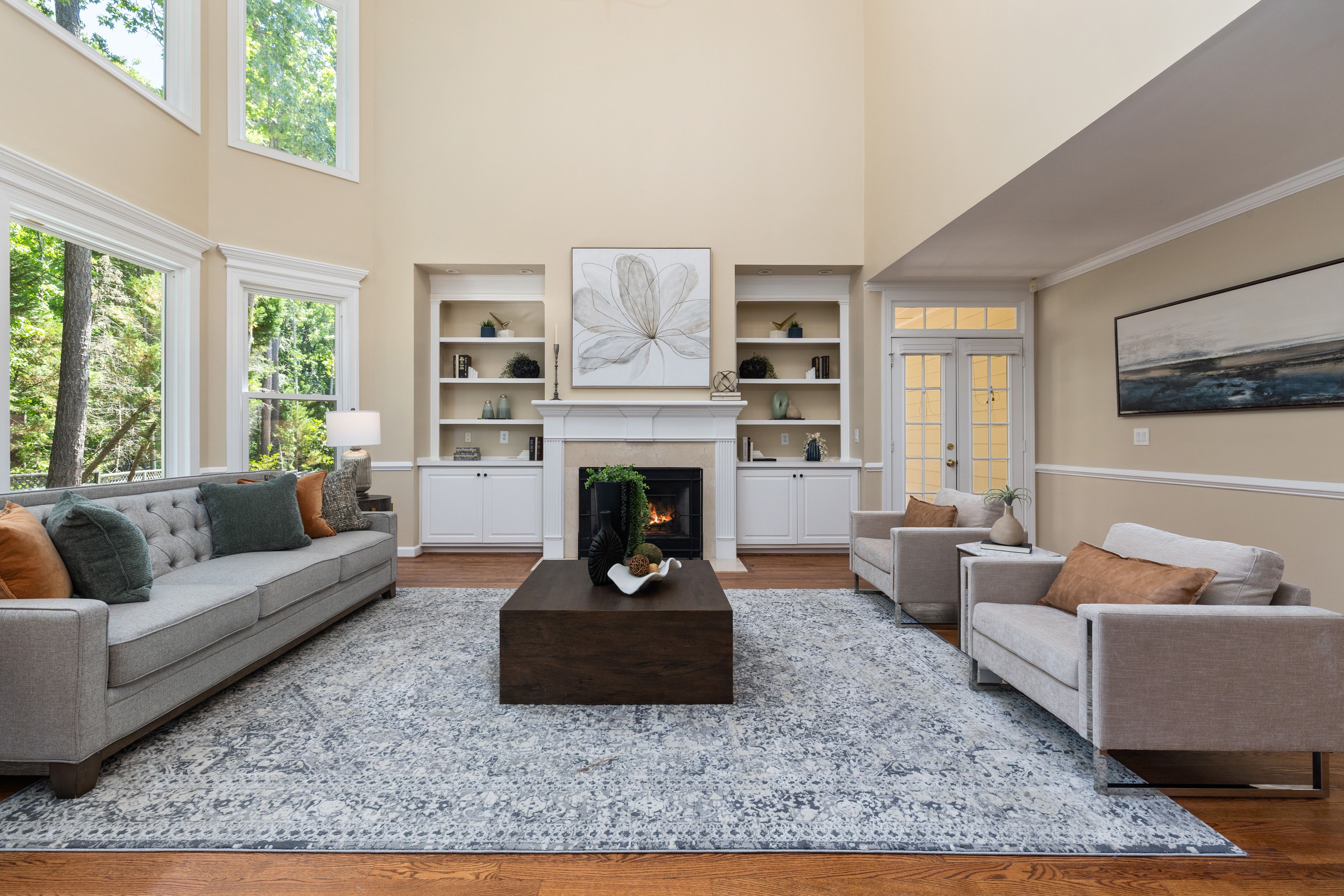
Starting with the rug gives designers a vocabulary to work from. A faded red might influence an accent chair. An olive detail might inform drapery. A blue border could reappear subtly in artwork.
The result can feel coordinated without looking matched.
The New Luxury Is Patina
One of the most significant changes heading into 2027 is the evolving definition of luxury.
Luxury does not necessarily mean flawless surfaces and untouched materials. Increasingly, it means objects that become more interesting with time.
For rugs, patina can be particularly powerful.
Naturally softened colors, worn pile, subtle fading, repaired areas, irregularities, and evidence of age can contribute visual depth that intentionally distressed new products often struggle to reproduce.
This explains the continuing relevance of vintage and antique rugs. Their age is not simply a historical detail; it becomes part of their aesthetic value.
Pattern Drenching Creates New Opportunities for Rugs
Pattern is also expanding beyond isolated accent pieces.
Rooms are increasingly mixing patterned wallpaper, upholstery, artwork, textiles, and rugs rather than allowing only one decorative surface to dominate.
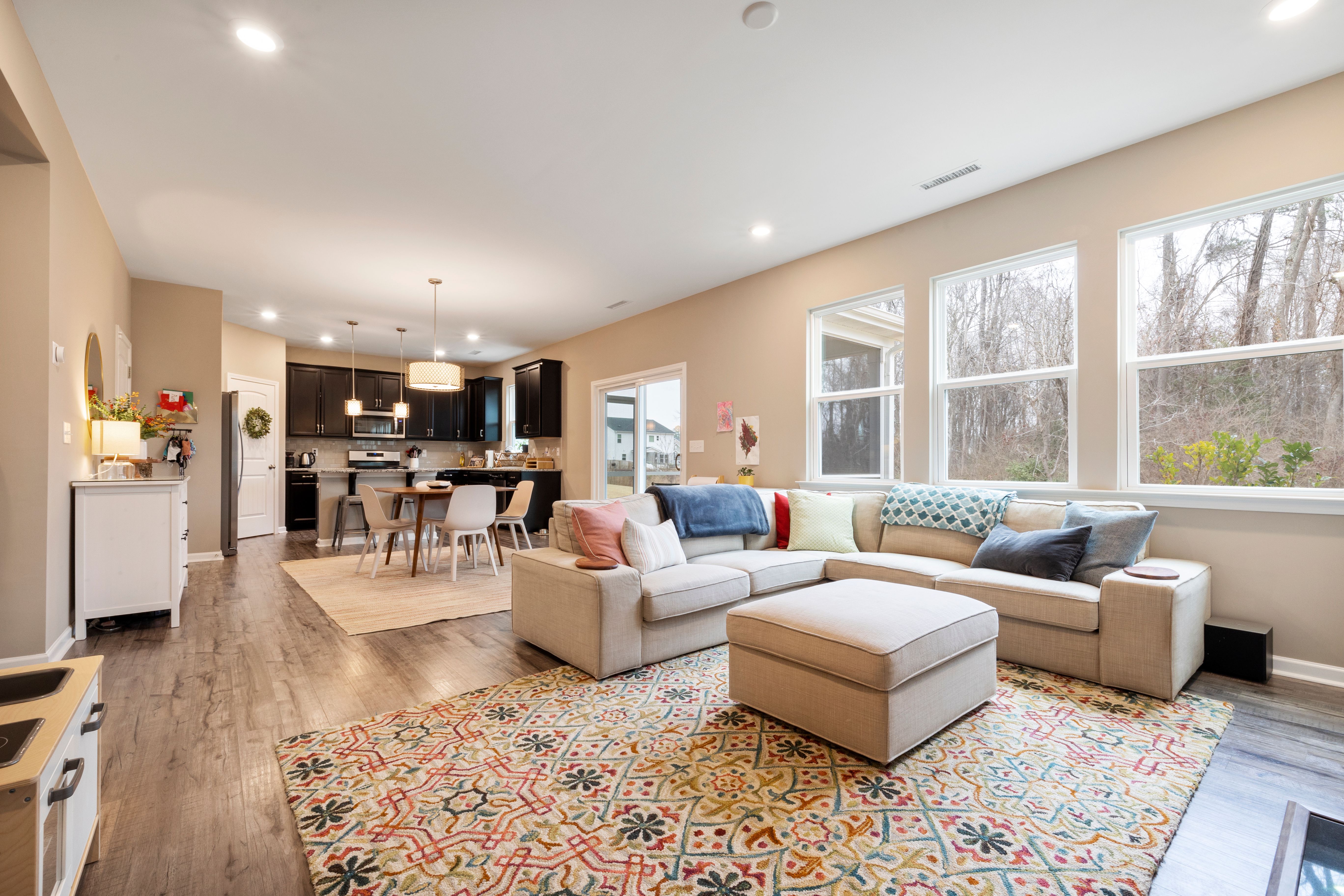
The rug therefore needs to participate without necessarily matching.
A floral wallpaper might work with a geometric antique rug because they share several muted colors. A striped textile can coexist with a Persian carpet when their scales are sufficiently different.
Successful pattern-rich rooms depend more on relationships between color, scale, and visual weight than on identical motifs.
For 2027, this opens the door for rugs with considerably more personality.
Quiet Rugs Will Still Matter — But They Cannot Be Empty
Not every 2027 interior needs a dramatic antique carpet.
Quiet rugs remain essential, particularly in rooms where artwork, architecture, or furniture already provides significant visual interest.
What changes is the definition of quiet.
Instead of a completely uniform neutral surface, designers are likely to favor understated rugs with tonal shifts, interesting fibers, subtle geometry, abrash, unusual weaving, or restrained patterns.
A rug can whisper without disappearing.
What Designers Will Want Less of in 2027
The rugs losing momentum will generally be those that make interiors feel more standardized.
Expect less enthusiasm for overly distressed reproductions, generic gray rugs, flat beige pieces with little texture, artificial vintage effects, predictable mass-market patterns, and rugs selected primarily because they are “safe.”
Authenticity will matter particularly when creating a vintage look.
If the objective is to introduce history and character, designers are increasingly likely to seek genuine vintage pieces or exceptionally well-crafted new rugs rather than products designed to imitate age superficially.
Rug Categories Positioned Well for 2027
Several rug families naturally align with the direction interiors are taking.
Oushak rugs work particularly well with warmer palettes because of their often spacious patterns and softened coloration.
Persian rugs provide extraordinary variety, allowing designers to move from highly decorative rooms to understated contemporary spaces depending on origin, palette, and age.
Moroccan rugs continue to provide tactile character and relaxed geometry.
Kilim and flatweave rugs suit layering and unconventional placement because their lighter visual and physical weight provides flexibility.
Vintage and antique rugs remain especially important because they satisfy several 2027 priorities simultaneously: individuality, craftsmanship, history, color variation, and uniqueness.
2027 Is Less About Trends and More About Point of View
Perhaps the most interesting rug trend for 2027 is the gradual rejection of obvious trend-following itself.
The most compelling interiors will not necessarily contain the rug everyone recognizes from social media. They will contain the rug that makes sense specifically for that room.
That could mean a faded antique Persian rug beneath contemporary furniture, an unusually graphic kilim in a minimalist space, a richly colored Oushak surrounded by warm neutrals, or a handmade rug whose irregularities become part of the room's identity.
Designers are increasingly asking a better question than, “Is this rug fashionable?”
They are asking, “Does this rug give the room something we couldn't get from anything else?”
For 2027, that may be the distinction that matters most.
Key Takeaways
Rug trends in 2027 will emphasize individuality, craftsmanship, patina, and longevity.
Antique and vintage rugs will increasingly appear alongside contemporary furniture and architecture.
Earthy palettes are becoming richer, with brown, olive, burgundy, rust, ochre, and clay gaining importance.
Designers will use pattern more confidently while paying closer attention to scale and visual relationships.
Handmade irregularities and natural aging will increasingly be treated as desirable characteristics.
Layering will remain relevant but become more deliberate.
The strongest rugs will contribute something distinctive enough to make the room difficult to replicate.
Frequently Asked Questions
What rugs will be in style in 2027?
Rugs with handmade character, rich earthy colors, visible texture, tonal variation, heritage patterns, and natural materials are well positioned for 2027. Antique and vintage rugs should remain especially relevant as interiors become increasingly individual and collected.
Are vintage rugs still in style for 2027?
Yes. Vintage rugs align closely with the movement toward interiors that feel personal rather than mass-produced. Their patina, color variation, craftsmanship, and uniqueness allow them to introduce depth into both traditional and contemporary spaces.
What rug colors will be popular in 2027?
Warm and complex colors should continue gaining momentum. Look for olive, chocolate and tobacco brown, terracotta, rust, burgundy, ochre, faded red, warm blue, and layered natural tones rather than flat gray or cool beige.
Are patterned rugs coming back?
Patterned rugs are already becoming more prominent, and that movement is likely to continue into 2027. Heritage motifs, botanical patterns, folk-inspired geometry, medallions, and expressive handmade designs offer character while remaining more timeless than trend-specific prints.
Should a rug match the furniture?
Not necessarily. Designers increasingly use rugs to complement or contrast with furniture rather than match it exactly. Repeating one or two colors can create continuity while differences in pattern, age, texture, and style make the room feel more naturally collected.
Are neutral rugs going out of style in 2027?
No. Neutral rugs remain useful, but completely flat and anonymous neutrals are becoming less compelling. Designers are favoring neutral rugs with tactile fibers, tonal movement, weaving variations, subtle patterns, or other details that create depth.
Are antique rugs worth using in modern interiors?
Antique rugs can be particularly effective in modern rooms because the contrast introduces history and visual complexity. Clean furniture and architecture allow an older rug's color, pattern, and patina to become more noticeable without making the entire room feel traditional.
Comments
Log in or sign up to join the conversation.