

Tooth pain can affect much more than your ability to eat comfortably. A damaged or infected tooth can make it difficult to sleep, speak, or focus on everyday activities. Many people try to ignore dental pain until it becomes severe. However, early treatment can often prevent the problem from becoming more complicated.
Root canal treatment is one of the most common procedures used to treat an infected or damaged tooth. It focuses on removing the infected pulp while preserving the natural tooth. For people looking for Root Canal Treatment in Behala, understanding the procedure can make the decision to seek dental care much easier.
What Is a Root Canal?
Inside every healthy tooth lies a soft area called the pulp. It contains nerves, blood vessels, and connective tissue. Deep tooth decay, cracks, injuries, or repeated dental procedures can damage this area.
When bacteria reach the pulp, they can cause inflammation or infection. This may result in persistent toothache, sensitivity to hot or cold foods, pain while chewing, or swelling around the tooth. In some cases, an infected tooth may not cause noticeable symptoms at first.
A dentist examines the tooth and may take an X-ray to understand the condition of the roots and surrounding structures. If the pulp has become infected or severely damaged, root canal treatment may help save the tooth.
How Does Root Canal Treatment Work?
The procedure begins with a proper examination and treatment plan. The dentist uses local anesthesia to numb the affected area and help keep the patient comfortable during the procedure.
Once the tooth becomes numb, the dentist creates a small opening to reach the pulp chamber and root canals. Special dental instruments help remove the damaged pulp, bacteria, and debris from inside the tooth.
The dentist then carefully cleans and shapes the canals. This step creates enough space for proper disinfection and filling. The canals are disinfected to reduce the presence of harmful bacteria.
After cleaning, the dentist fills the canals with a biocompatible material called gutta-percha. This material seals the treated canals and helps reduce the chance of bacteria entering the area again.
The dentist may then place a temporary filling or recommend a crown, depending on the condition of the tooth. A suitable restoration can protect the tooth and help restore its normal chewing function.
Why Is RCT Better Than Losing a Natural Tooth?
When a tooth becomes severely infected, extraction may appear like the easiest solution. However, preserving the natural tooth often has important advantages.
Root canal treatment can:
Help preserve the natural tooth
Relieve pain caused by pulp infection
Prevent infection from spreading
Restore normal biting and chewing
Help maintain the natural alignment of surrounding teeth
Keeping the natural tooth can also avoid the need for immediate replacement with options such as bridges or implants.
Of course, not every tooth can be saved. The dentist needs to assess the amount of remaining tooth structure and the condition of the roots before recommending treatment.
Choosing a Root Canal Specialist
Choosing the right dental professional can make a major difference to your treatment experience. Patients should consider the dentist’s qualifications, experience, diagnostic approach, and commitment to patient comfort.
If you are searching for a Root Canal Specialist in Behala, look for a dental professional who takes time to examine the tooth and explain the available treatment options. A good consultation should help you understand why RCT may be necessary and what you can expect during and after treatment.
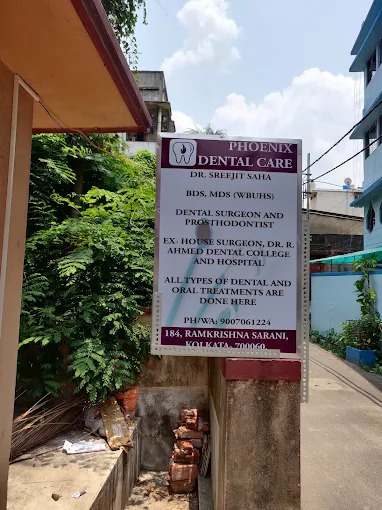
Phoenix Dental Care provides conventional root canal treatment in Behala. The clinic follows a patient-focused approach and offers several dental services under one roof.
What Happens After Root Canal Treatment?
It is normal for the treated tooth to feel slightly sensitive or uncomfortable for a short period. The dentist may provide instructions for managing this discomfort and protecting the tooth during recovery.
After treatment, continue brushing and cleaning between your teeth regularly. Avoid putting excessive pressure on the treated tooth until your dentist confirms that it is ready for normal use.
If the dentist recommends a crown or another restoration, complete the treatment as advised. A restored tooth has better protection against further damage.
Regular dental check-ups also remain important. They allow your dentist to monitor the treated tooth and identify other dental problems before they become serious.
Do Not Let Tooth Pain Control Your Routine
Persistent tooth pain should never become something you simply learn to tolerate. It can indicate decay, infection, or damage that requires professional attention.
Seeking treatment early can help protect your natural tooth and reduce the possibility of more complicated dental problems. If you live in or around Behala and experience ongoing toothache, sensitivity, swelling, or pain while chewing, schedule a dental examination.
With proper diagnosis and appropriate care, root canal treatment can help remove infection, restore tooth function, and protect your natural smile. Choosing an experienced dental professional can also make the entire treatment process more comfortable and easier to understand.
Comments
Log in or sign up to join the conversation.