

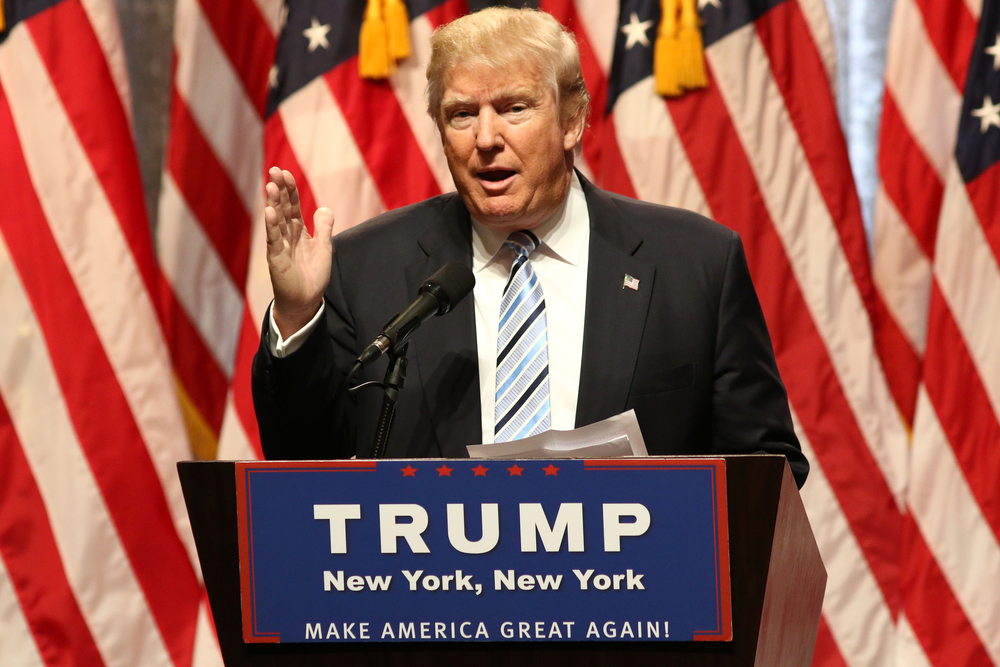
There is a lot of hope surrounding the incoming Trump administration and the prospects of a surge in US growth aligned to President Trump’s fiscal and economic policies. Many are hoping that these policies will provoke “animal spirits” among businesses as investors respond to lower business regulation and lower taxes on profits.
Trump Growth Claims Met with Skepticism
Trump and his team have promised markets growth of 3.5%-4% which most analysts are dismissing as wishful thinking. However most agree that the potential rate of growth for the US is currently around 2% with this assumption based on the growth of the labor force and growth in labor productivity. Labor force growth currently runs just above 1% and US productivity has been lagging for years, averaging around just 0.5^ per year over the last five years.
Solid consumer spending in the range of 2.5% to 2.75% is the key driver of economic growth as confident consumers increase their spending encouraged by gains in real disposable income. A modest recovery in business investment is expected whilst net exports are likely to weaken. Fiscal stimulus from Washington is projected to boost growth by around 0.4% in 2018. However, the policies of the Trump administration also pose a lot of risk to the both the US and global economic outlook.
Risks Around Fiscal Policy
The current risks around fiscal policy are mainly aligned to two themes. The first is the evolution of Trump’s views from his Presidential campaign to now being President-elect and secondly, the significant disparity between Trump’s views and those of the Republican leadership who actually initiate budget legislation.
Trump’s initial tax proposals were projected to increase the budget deficit by around $10trillion over a 10-year time frame. However, these have since been trimmed to around $3-$4trillion.Conversely, the Speaker of the House, Paul Ryan, has put forth the Republican leadership’s tax plan which would only increase the deficit by around $2 - $3 trillion. Trump is likely to let the House take the lead on tax reform with tax cuts working as a stimulus for demand from consumers and businesses.
Much attention has been given to Trump’s proposed increase in infrastructure spending though as yet, financing for the project remains unclear. The Republican leadership believe that tax cuts must be financed by offsetting cuts in spending. Republicans are expected to present cuts in entitlements such as Medicare and other projects which might not sync with the President-elect’s views.
Trade Policies Under Scrutiny
Looking to other policies such as trade policies, it appears that Trump will likely moderate his approach from the extreme protectionist policies put forward during his election campaign. As such, current tariffs would be unlikely to see any significant changes. Indeed, the 35% - 45% trade tariffs on China and Mexico proposed by Trump now appear a low probability outcome. However, the potential for disruption on the international trade front, including tariffs, cannot be ruled out.
Higher tariffs would weigh on economic activity as higher import prices would weaken real US incomes and lead to a decline in aggregate demand. Core inflation measures could see a significant rally in the initial aftermath of any tariff hikes, depending on the level of short term rigidity in US supply chains.
Fed Outlook Uncertain
This would clearly cause issues for the Fed in terms of assessing the appropriate policy approach. In such a case, the Fed’s traditional rule-based approach would see policy rates increased sharply higher. However, if the one-off inflation shock didn’t release inflation expectations over the medium term, then the Fed might be reluctant to respond with sharply higher rates in fear of provoking a sharp downturn in growth.
Given the risks from these policies, it is likely that the Trump administration will seek to find the middle ground in following through on any earlier proposals and jingoistic trade proposals especially are likely to fade into drawn out negotiations that can be pushed to the side of the stage. The development of any trade wars present downside risk to the US outlook whilst the prospect of renewed “animal spirits” in the business environment aligned with increased investment, presents upside risk.

Comments
Log in or sign up to join the conversation.