

The Global Reverse Logistics Market is emerging as one of the most critical components of modern supply chain management, transforming how organizations handle product returns, repairs, refurbishment, recycling, remanufacturing, and end-of-life product disposal. As businesses increasingly focus on operational efficiency, customer satisfaction, sustainability, and circular economy practices, reverse logistics has evolved from a secondary business function into a strategic imperative.
According to TechSci Research report, “Reverse logistics Market Size– Global Industry, Share, Trends, Opportunity, and Forecast, 2021-2031F.” The Global Reverse Logistics Market will grow from USD 617.62 Billion in 2025 to USD 862.31 Billion by 2031 at a 5.72% CAGR.
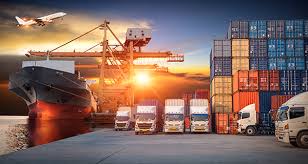
Reverse logistics refers to the movement of goods from the end consumer back to manufacturers, retailers, distributors, or specialized facilities for value recovery or proper disposal. Unlike traditional forward logistics, which focuses on delivering products to customers, reverse logistics encompasses returns management, remanufacturing, refurbishing, recycling, warranty recovery, and asset disposition.
As customer expectations continue to evolve and sustainability becomes a boardroom priority, organizations across industries are investing heavily in advanced reverse logistics systems to improve operational agility, reduce costs, enhance customer loyalty, and support environmental objectives.
Request For Sample Copy of Report For More Detailed Market insight: https://www.techsciresearch.com/sample-report.aspx?cid=16068#requestform
Industry Key Highlights
Global Reverse Logistics Market valued at USD 617.62 Billion in 2025.
Market anticipated to reach USD 862.31 Billion by 2031.
Expected CAGR of 5.72% during the forecast period.
E-commerce sector remains a major contributor to reverse logistics demand.
Sustainability and circular economy initiatives accelerating market expansion.
Growing adoption of AI, IoT, and automation technologies in reverse logistics operations.
Increasing focus on refurbishment and remanufacturing activities.
Third-Party Logistics (3PL) providers gaining significant market share.
Rising demand for efficient returns management across retail and manufacturing sectors.
Enhanced customer experience becoming a key differentiator for businesses.
Understanding the Growing Importance of Reverse Logistics
In today’s highly competitive business environment, customer satisfaction extends beyond product delivery. The ease of returning products, obtaining replacements, receiving refunds, and recycling used goods significantly influences purchasing decisions.
As global commerce becomes increasingly digital, businesses face mounting pressure to streamline returns management processes while minimizing operational costs. Reverse logistics enables organizations to recover value from returned products, improve inventory visibility, reduce waste, and strengthen customer relationships.
The rise of omnichannel retailing has further elevated the importance of reverse logistics. Consumers expect seamless return experiences regardless of whether purchases were made online, through mobile applications, or at physical stores. Companies capable of delivering efficient and hassle-free returns processes gain a substantial competitive advantage in the marketplace.
Additionally, reverse logistics supports sustainability goals by facilitating product reuse, recycling, and responsible disposal practices. Organizations are increasingly integrating environmental considerations into their supply chain strategies, making reverse logistics a key enabler of corporate sustainability initiatives.
Key Market Drivers
Rapid Expansion of E-Commerce Industry
One of the most influential drivers shaping the Global Reverse Logistics Market is the explosive growth of e-commerce worldwide.
Online shopping has fundamentally transformed consumer behavior, offering convenience, extensive product selection, and flexible purchasing options. However, higher return rates associated with online purchases have significantly increased the need for efficient reverse logistics solutions.
Consumers frequently return products due to sizing issues, product mismatches, damaged goods, or changing preferences. As e-commerce transactions continue to increase, businesses must establish sophisticated returns management systems capable of handling large volumes of returned merchandise efficiently.
Retailers are investing in reverse logistics capabilities to improve customer satisfaction while minimizing the financial impact of returns.
Rising Focus on Sustainability and Circular Economy
Environmental sustainability has become a central business priority across industries. Governments, investors, and consumers are increasingly demanding responsible resource utilization and waste management practices.
Reverse logistics plays a crucial role in supporting circular economy models by enabling product recovery, refurbishment, remanufacturing, and recycling.
Rather than disposing of returned or end-of-life products, businesses are seeking opportunities to recover value through repair, component reuse, and material recycling. These initiatives reduce landfill waste, conserve natural resources, and lower production costs.
As sustainability regulations become stricter and environmental awareness grows, organizations are expected to increase investments in reverse logistics infrastructure and capabilities.
Growing Consumer Expectations
Modern consumers expect seamless return experiences as part of their purchasing journey.
Flexible return policies, faster refund processing, convenient pickup options, and transparent tracking systems have become critical differentiators in competitive markets.
Businesses recognize that an efficient returns process not only enhances customer satisfaction but also strengthens brand loyalty and repeat purchasing behavior.
Consequently, organizations are adopting advanced reverse logistics technologies that enable real-time visibility, automation, and improved customer communication throughout the returns lifecycle.
Increasing Product Lifecycle Complexity
Technological advancements have shortened product lifecycles across industries such as electronics, automotive, healthcare, and consumer goods.
Frequent product upgrades and innovations result in higher volumes of obsolete, damaged, or end-of-life products entering reverse supply chains.
Companies must efficiently manage these products through repair, refurbishment, remanufacturing, recycling, or disposal channels to maximize value recovery and minimize environmental impact.
This growing complexity is creating substantial demand for sophisticated reverse logistics solutions.
Emerging Trends Transforming the Reverse Logistics Market
Artificial Intelligence and Predictive Analytics
Artificial Intelligence is revolutionizing reverse logistics operations by improving forecasting accuracy, inventory management, and decision-making capabilities.
AI-powered systems can predict return volumes, identify return patterns, optimize transportation routes, and recommend appropriate disposition strategies for returned products.
Predictive analytics enables organizations to proactively manage returns, reduce operational costs, and improve resource allocation.
As businesses increasingly embrace digital transformation, AI integration is expected to become a defining trend within the reverse logistics ecosystem.
Automation and Robotics
Warehouse automation and robotics are significantly enhancing reverse logistics efficiency.
Automated sorting systems, robotic inspection technologies, and intelligent material handling solutions enable faster processing of returned products while reducing labor costs and human error.
Organizations are deploying automation technologies to improve throughput, increase operational accuracy, and support growing return volumes generated by e-commerce and omnichannel retailing.
Internet of Things (IoT) Integration
IoT-enabled devices provide real-time visibility into product movement, condition monitoring, and asset tracking throughout reverse supply chains.
Connected sensors allow organizations to monitor returned products during transportation, storage, and refurbishment processes.
Enhanced visibility improves operational control, reduces losses, and enables data-driven decision-making across reverse logistics networks.
Blockchain for Supply Chain Transparency
Blockchain technology is gaining attention for its potential to improve transparency and traceability in reverse logistics operations.
Secure and immutable transaction records enable stakeholders to track product histories, verify authenticity, and ensure compliance with environmental regulations.
The adoption of blockchain solutions is expected to strengthen trust among manufacturers, retailers, logistics providers, and consumers.
Growth of Refurbishment and Remanufacturing Markets
Refurbishment and remanufacturing activities are becoming increasingly important components of reverse logistics strategies.
Organizations are recognizing the financial and environmental benefits of restoring returned products to like-new condition rather than disposing of them.
The growing popularity of refurbished electronics, automotive parts, industrial equipment, and consumer goods is creating lucrative opportunities across the reverse logistics value chain.
Competitive Analysis
DB Schenker
Deutsche Post DHL Group
Kintetsu World Express, Inc
United Parcel Service, Inc
Delhivery
YUSEN LOGISTICS CO., LTD
RLG SYSTEMS AG
Core Logistic Private Limited
Safexpress Pvt. Ltd
FedEx Corporation
Customers can also request 10% free customization in this report.
Opportunities in the Global Reverse Logistics Market
Several factors are creating substantial growth opportunities:
Expansion of cross-border e-commerce.
Growth of refurbished product marketplaces.
Increasing sustainability regulations.
Adoption of AI-driven logistics solutions.
Development of smart warehouses.
Circular economy initiatives.
Rising demand for product lifecycle management.
Growth of electric vehicle battery recycling.
Expansion of healthcare equipment recovery programs.
Increasing use of blockchain-based logistics platforms.
These opportunities are expected to support long-term market expansion and innovation.
Future Outlook
The future of the Global Reverse Logistics Market appears highly promising as businesses increasingly prioritize sustainability, customer satisfaction, and operational efficiency.
The convergence of digital technologies, environmental regulations, and evolving consumer expectations will continue to reshape reverse logistics strategies worldwide.
Artificial Intelligence, machine learning, IoT connectivity, robotics, and predictive analytics are expected to transform traditional returns management processes into intelligent and highly automated systems.
Additionally, circular economy principles will gain greater prominence, encouraging businesses to maximize resource recovery and minimize environmental impact. Companies that successfully integrate sustainability with operational excellence will be well-positioned to capitalize on future market opportunities.
As global supply chains become more complex and customer-centric, reverse logistics will evolve from a support function into a strategic business capability that drives profitability, resilience, and competitive differentiation.
10 Benefits of the Research Report
Provides comprehensive analysis of the Global Reverse Logistics Market.
Offers detailed market size, share, and forecast estimates through 2031.
Identifies key market drivers and growth opportunities.
Evaluates emerging trends shaping industry evolution.
Delivers in-depth segmentation analysis across major categories.
Examines regional growth patterns and investment potential.
Profiles leading market participants and competitive strategies.
Assesses technological advancements transforming reverse logistics operations.
Supports strategic planning and investment decision-making.
Helps stakeholders understand future market dynamics and competitive positioning.
Conclusion
The Global Reverse Logistics Market is becoming an indispensable component of modern supply chain ecosystems. Driven by e-commerce expansion, sustainability goals, technological innovation, and evolving consumer expectations, the market is poised for significant growth over the coming years.
With projected revenues reaching USD 862.31 Billion by 2031, reverse logistics will continue to play a crucial role in helping organizations improve operational efficiency, recover value from returned products, reduce environmental impact, and enhance customer experiences.
As businesses embrace digital transformation and circular economy principles, reverse logistics will remain a strategic driver of innovation, resilience, and long-term competitive advantage across industries worldwide.
Comments
Log in or sign up to join the conversation.