

The European Commission has finally revealed its plan for an EU recovery fund, and it's €750bn larger than the French-German proposal. If implemented, this fund would be massive, not only supporting the European recovery but it would also demonstrate solidarity. However, expect plenty of horse-trading in the coming weeks.

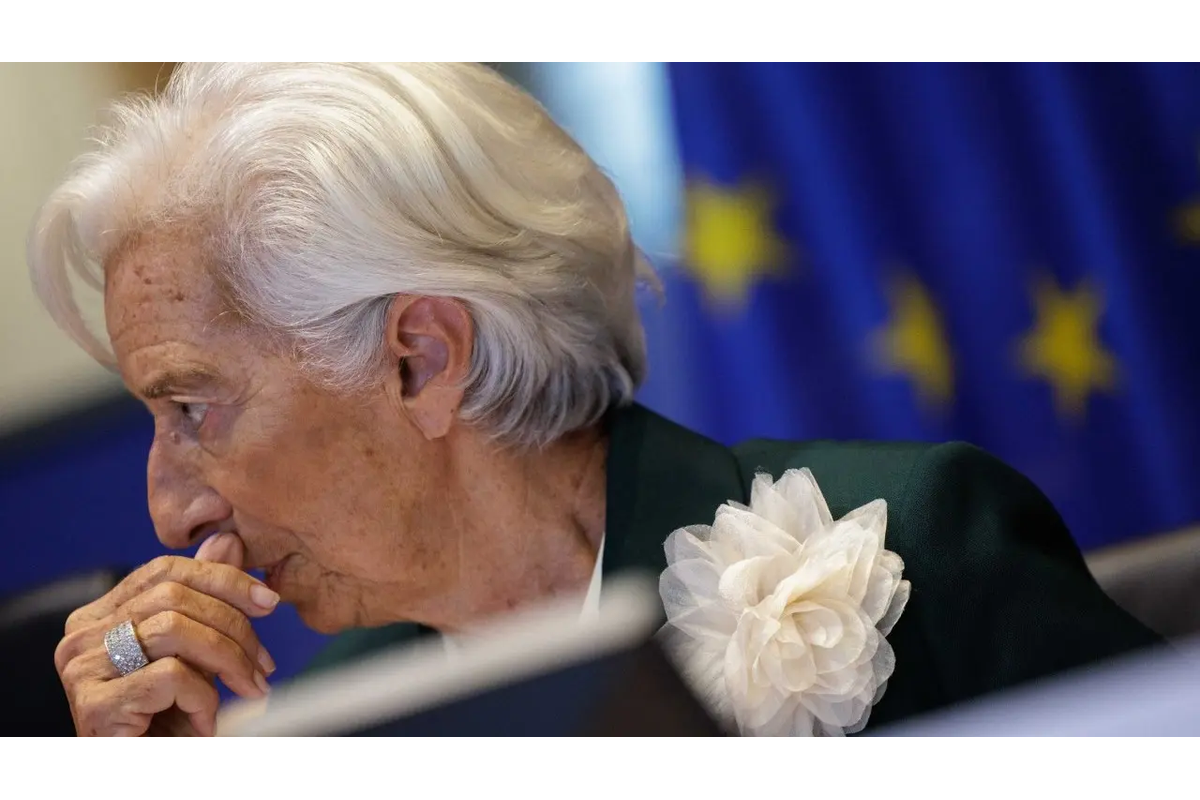
EU Commission President Ursula Von Der Leyen, pictured in April
The European Commission plans for a recovery fund do not lack ambition, just look at the proposal's name: “Next Generation EU”. The plan is to borrow €750bn from the markets with plans to repay it within in a three-decade window from 2028 to 2058 through the EU budget. The EU plan to repay also includes raising own resources through taxing large corporates, emission trading schemes, and a carbon border adjustment mechanism. It intends to use €560 bn of the raised money for support to member states of which 310bn would be in grants and 250bn in loans.
Also, there is a plan to top-up cohesion support by €55bn, a solvency support instrument which should use €31bn to unlock more than €300bn from the private sector to support companies with liquidity problems, some €15bn in a Strategic Investment Facility to unlock some €150bn, the traditional European instruments to leverage public money with private money.
The Commission presents this ambitious plan but does not have the final say in the matter. It looks quite a bit like the French-German proposal but seems to be more ambitious in total size and raising EU taxes as part of the repayment plan, an answer to the long-standing discussion about own resources for the EU. As member states have to unanimously agree to a recovery fund, it is important to keep in mind that the Netherlands, Austria, Sweden, and Denmark have been very sceptical of the French-German plan and raised their own proposal for a recovery fund including just conditional loans. That suggests that there are fierce negotiations ahead before a deal is reached. The fact that the European Commission’s proposal includes ‘loans’ is a clear opening for a compromise. However, let’s be clear, this kind of horse-trading is never exclusively played on one topic. Instead, expect the bargaining to be extended to other policy areas; just think of state aid rules.
Given that unanimity is needed and there are diverging views on the fund, the Commission’s proposal will be more of a starting point to the negotiations than something that will be rubber-stamped by EU leaders at the next summit. To us, it is more relevant for a substantial recovery fund to see the light of day if we can see a softening of the stance taken by those member states which oppose burden-sharing. There is some time left before the EU summit on June 18/19 when the fund is back on the EU leaders’ agenda, but it could well be that more summits are needed before a final compromise is agreed on. Interestingly, Germany will hold the rotating EU presidency starting 1 July. It could very well be that one of Angela Merkel’s last stunts in Europe will be to lead the way to more integration.
All in all, the European Commission proposal is a lot like the expensive bottle of wine on the supermarket shelves: it would be a real pleasure, not to say sensational, to savor it, but very often it is only there to make the lower-priced ones look reasonable. Let the negotiations begin.


Comments
Log in or sign up to join the conversation.