

Running a restaurant involves much more than creating a good menu and serving great food. Owners also have to manage employees, inventory, suppliers, customer service, online orders, and daily finances. One area that can have a major impact on the overall operation is accepting payments. A reliable payment setup helps restaurants serve customers quickly, reduce unnecessary complications, and keep transactions organized. This is where Restaurant Merchant Services become important. These services provide restaurants with the tools and support they need to accept credit cards, debit cards, contactless payments, and other common payment methods.
What Are Restaurant Merchant Services?
Restaurant Merchant Services are payment solutions designed around the needs of food businesses. Depending on the provider and the restaurant's setup, these services can include payment processing, merchant accounts, card terminals, point-of-sale integrations, online payment options, and transaction reporting. Restaurants have different payment requirements than many other businesses. A busy café may process dozens of small transactions during a lunch rush, while a full-service restaurant may need to handle tips, split checks, refunds, and multiple payment methods. A good merchant service solution should make these everyday tasks easier rather than adding more work.

Why Restaurant Payment Processing Matters
Restaurant Payment Processing plays a direct role in the customer experience. When a guest finishes a meal, they expect payment to be quick and convenient. Long waits, declined transactions, or outdated terminals can create frustration even when the food and service have been excellent. Modern payment processing allows restaurants to accept different forms of payment, including traditional cards, contactless transactions, and mobile wallets. Giving customers more ways to pay can make checkout smoother and help staff handle busy periods more efficiently. For restaurants offering takeout or delivery, payment processing is equally important. Online ordering requires a system that can securely handle digital transactions while connecting smoothly with the restaurant's ordering process.
Understanding Processing Fees
Fees are one of the most important considerations when choosing a merchant service provider. Restaurant owners should understand exactly what they are paying for instead of focusing only on a headline processing rate. Depending on the provider, costs may include transaction fees, monthly charges, equipment costs, statement fees, or other service-related expenses. The actual cost can vary according to transaction volume, card type, business model, and payment method. Before signing an agreement, restaurant owners should ask for a clear explanation of all applicable fees. Comparing the overall pricing structure can help prevent unpleasant surprises later.
Security Should Be a Priority
Restaurants handle payment information every day, making transaction security an essential consideration. A reliable payment solution should use appropriate security measures to help protect sensitive customer and business information. Owners should also make sure employees understand basic payment security practices. Staff should know how to handle terminals properly, recognize suspicious activity, and follow the restaurant's procedures for refunds and other payment-related tasks. Security is not simply a technical issue. It is also about maintaining customer confidence. People are more comfortable returning to businesses where they feel their payments are handled responsibly.
Choosing the Right Payment Equipment
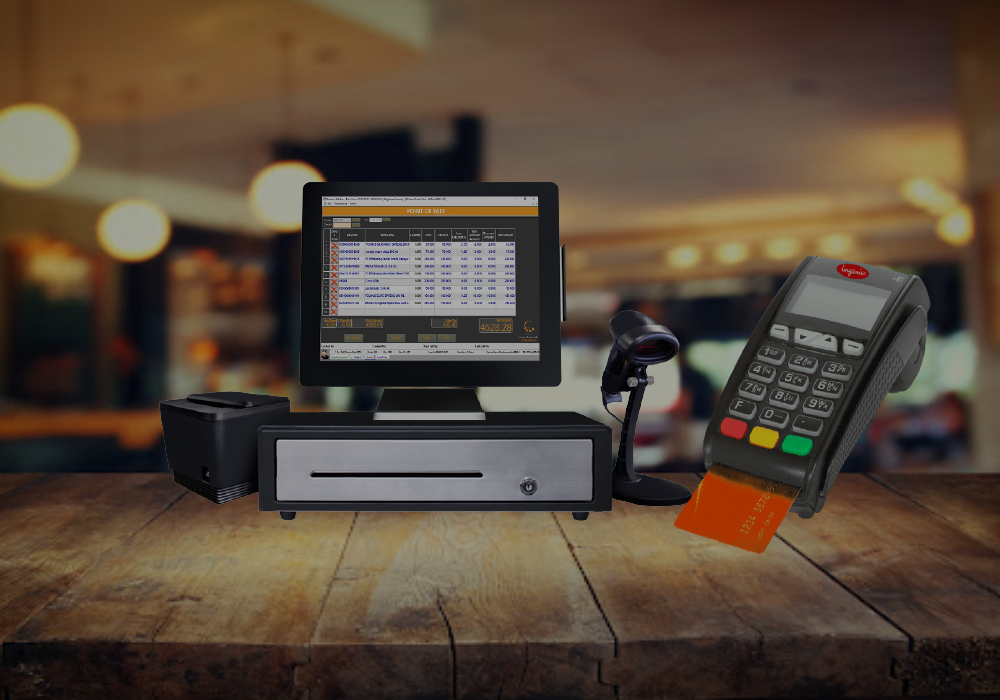
Payment equipment should match the way a restaurant operates. A small coffee shop may need a simple countertop terminal, while a larger restaurant might require several devices throughout the dining area. Some restaurants also benefit from tableside payment options. These allow servers to process transactions closer to the customer, which can make the checkout experience faster and more convenient. Restaurants should also consider whether their equipment supports contactless payments and mobile wallets. Customer expectations continue to change, so choosing flexible equipment can help a business remain prepared for new payment habits.
Integration With POS and Online Ordering
A payment system works best when it fits naturally into the restaurant's existing technology. POS integration can connect orders, payments, receipts, and sales information in one workflow. For restaurants with websites, delivery services, or online ordering platforms, integration can be even more valuable. Instead of manually entering information between separate systems, connected tools can reduce repetitive work and lower the possibility of human error. PayingSource can be considered by restaurant owners looking for payment solutions that support the practical needs of modern businesses. The right provider should offer a payment setup that fits the restaurant's size, sales channels, and operational requirements.
What Business Owners Should Look For
There is no single payment solution that works perfectly for every restaurant. Before choosing a provider, owners should consider several factors:
Transparent and understandable pricing
Reliable payment processing
Support for major payment methods
Secure transaction handling
POS and software compatibility
Equipment that suits the restaurant's workflow
Helpful customer support
Options for in-person and online payments
Reporting and transaction management tools
Flexibility as the business grows
It is also worth considering the provider's customer support. Payment problems can happen at inconvenient times, especially during busy service periods. Having access to responsive assistance can make it easier to resolve issues before they affect customers.
The Bottom Line
Payment processing is an important part of running a successful restaurant. While it may not receive as much attention as food quality, staffing, or marketing, a dependable payment system can have a noticeable effect on daily operations and customer satisfaction. The right Restaurant Merchant Services solution should make payments easier, support different customer preferences, and fit smoothly into the restaurant's existing workflow. Owners should take time to compare pricing, security, equipment, integrations, and service before making a decision. PayingSource is one option restaurant owners can explore when evaluating payment solutions for their business. Ultimately, the best choice is the one that provides dependable Restaurant Payment Processing while meeting the restaurant's specific operational and financial needs.
Read More: Understanding Fees and Costs in Restaurant Payment Processing
Comments
Log in or sign up to join the conversation.