
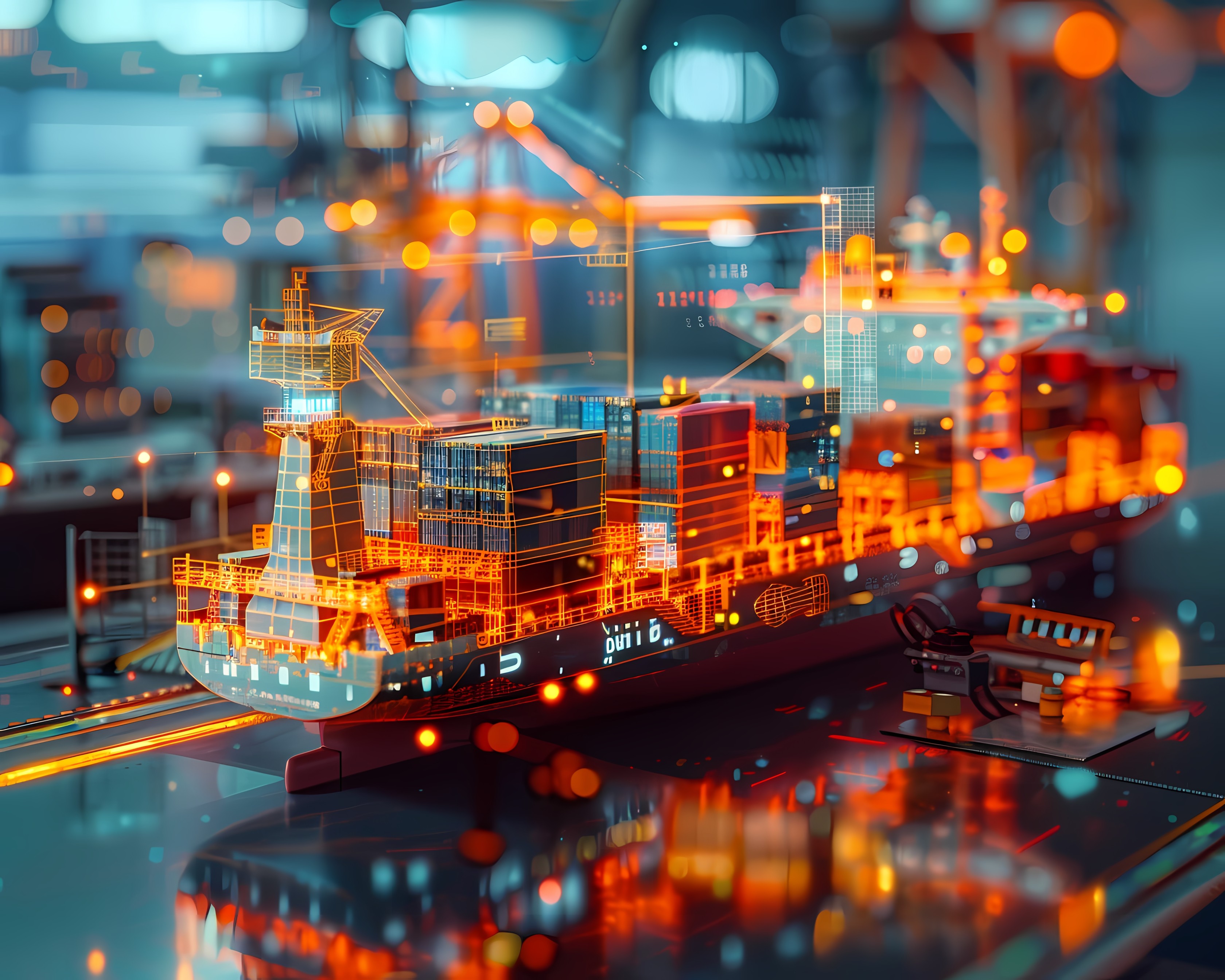
AI-enabled supply chain optimization is helping enterprises modernize logistics, procurement, inventory management, and production workflows through intelligent software. By combining machine learning, predictive analytics, generative AI, computer vision, and cloud platforms, organizations can build adaptive supply chains that improve operational visibility, automate complex processes, reduce costs, and accelerate business performance.
Enterprise AI Supply Chain Overview
Business Area | Intelligent Capability | Business Outcome |
|---|---|---|
Supply Planning | AI forecasting models | Higher planning accuracy |
Procurement | Intelligent supplier analysis | Smarter purchasing decisions |
Inventory Operations | Dynamic stock optimization | Reduced inventory waste |
Warehouse Management | AI-assisted automation | Improved operational speed |
Transportation | Intelligent route planning | Lower delivery expenses |
Manufacturing | Predictive equipment analytics | Increased production uptime |
Risk Management | AI-powered monitoring | Faster disruption response |
Executive Reporting | Intelligent business insights | Better strategic planning |
Key Takeaways
AI is making enterprise supply chains more adaptive and data-driven.
Intelligent software improves operational efficiency across the supply chain.
Predictive analytics enables proactive planning instead of reactive management.
AI-powered logistics enhances visibility from procurement to delivery.
Cloud-native AI platforms simplify enterprise integration.
Custom software development delivers greater flexibility and long-term scalability.
Executive Summary
Modern supply chains generate enormous volumes of operational data across suppliers, warehouses, transportation networks, manufacturing plants, and distribution centers. Traditional software often struggles to transform this information into timely business intelligence, resulting in delays, inefficiencies, and increased operational risk.
Custom AI software development enables organizations to build intelligent applications capable of analyzing real-time data, predicting business outcomes, automating repetitive processes, and optimizing enterprise operations. Instead of relying solely on static rules, AI continuously learns from changing business conditions, enabling organizations to respond faster to market fluctuations.
AI-driven supply chain platforms integrate seamlessly with ERP systems, warehouse management software, transportation management applications, procurement platforms, and IoT devices. This creates a connected ecosystem that delivers end-to-end operational visibility while supporting intelligent decision-making.
As digital transformation accelerates, AI-enabled supply chain optimization is becoming a strategic priority for organizations seeking operational resilience, business agility, and sustainable growth.
Market Overview
Enterprise investment in AI-powered supply chain software continues to expand as organizations seek greater operational efficiency and resilience.
Major growth factors include:
Expansion of intelligent automation
Growing cloud adoption
Increasing demand for predictive business intelligence
Warehouse digitalization initiatives
AI-powered logistics modernization
Supply chain risk management
Digital transformation strategies
Industries including manufacturing, healthcare, retail, automotive, consumer goods, and logistics continue leading enterprise AI adoption.
Enterprise AI Use Cases
Operational Process | AI Technology | Enterprise Benefit |
|---|---|---|
Demand Management | Predictive intelligence | Better demand planning |
Procurement | AI supplier evaluation | Reduced sourcing risks |
Warehouse Operations | Computer vision | Higher inventory accuracy |
Fleet Management | Intelligent route optimization | Improved delivery performance |
Production Planning | Machine learning | Optimized manufacturing schedules |
Quality Management | AI inspection systems | Better product quality |
Order Fulfillment | Workflow automation | Faster customer deliveries |
Executive Analytics | Generative AI | Quicker business insights |
Core Technologies Behind AI Supply Chains
Machine Learning
Machine learning continuously improves forecasting, procurement, production planning, and inventory optimization using historical and live business data.
Predictive Analytics
Predictive models identify future operational risks, estimate customer demand, and improve strategic planning.
Generative AI
Generative AI assists with procurement documentation, operational reporting, workflow recommendations, and conversational analytics.
Computer Vision
Computer vision automates inventory verification, warehouse inspections, barcode recognition, and manufacturing quality control.
Cloud Computing
Cloud infrastructure enables scalable AI deployment, enterprise integration, and secure access to operational data across global supply networks.
Benefits of AI-Driven Supply Chain Software
Organizations implementing custom AI solutions experience measurable improvements across business operations.
Improved forecasting accuracy
Lower inventory costs
Faster warehouse operations
Better supplier collaboration
Enhanced logistics performance
Stronger operational resilience
Improved customer satisfaction
Higher return on technology investments
Custom-built software also enables organizations to evolve their AI capabilities as business requirements change.
Emerging Trends
Adaptive Supply Chains
AI enables organizations to continuously optimize supply chain operations based on real-time market conditions.
Intelligent Decision Support
Executives increasingly use AI-generated recommendations to improve planning, procurement, and logistics strategies.
Connected Digital Operations
Modern enterprises integrate AI, cloud computing, IoT devices, ERP systems, and analytics platforms into unified operational environments.
Sustainable Supply Networks
AI helps optimize transportation routes, reduce operational waste, improve energy efficiency, and support environmental sustainability goals.
Expert Perspective
The value of AI extends beyond automation. Organizations that integrate AI into strategic decision-making create stronger operational foundations capable of responding rapidly to market changes.
Successful implementations depend on high-quality data, secure cloud infrastructure, enterprise-wide integration, and continuous optimization. Businesses that invest in custom AI software today will be better positioned to adapt to future technological advancements.
Implementation Challenges
Organizations should prepare for several key implementation considerations.
Data Integration: Enterprise data must be accurate, consistent, and accessible.
Technology Modernization: Legacy applications often require modernization before AI deployment.
Cybersecurity: Connected enterprise platforms require robust security architecture.
Compliance: AI initiatives should align with data governance and regulatory requirements.
Talent Development: Employees need training to effectively utilize intelligent software solutions.
Future Outlook
The future of supply chain management will be increasingly intelligent, connected, and autonomous. Emerging technologies including agentic AI, edge computing, advanced robotics, and digital twins will enable organizations to automate complex operational decisions while maintaining governance and transparency.
Businesses investing in AI-enabled supply chain optimization today will strengthen operational resilience, improve efficiency, and build scalable digital supply networks capable of supporting long-term enterprise growth.
Frequently Asked Questions
What is AI-driven supply chain software?
It is custom software that uses artificial intelligence to improve logistics, inventory management, procurement, forecasting, manufacturing, and supply chain operations.
Why are enterprises investing in AI supply chain software?
To improve efficiency, reduce costs, automate business processes, and strengthen supply chain resilience.
Which technologies power intelligent supply chains?
Machine learning, predictive analytics, generative AI, computer vision, IoT, cloud computing, and workflow automation.
Can AI integrate with ERP and warehouse systems?
Yes. Custom AI solutions are designed to integrate with ERP, CRM, WMS, TMS, and procurement platforms.
Which industries benefit the most?
Manufacturing, retail, healthcare, logistics, automotive, pharmaceuticals, consumer goods, and e-commerce.
Comments
Log in or sign up to join the conversation.