

Introduction
The global refinery and petrochemical industry is undergoing significant transformation as operators respond to increasingly complex feedstocks, stricter environmental requirements, aging processing infrastructure, and the need for greater operational efficiency. Filtration systems have become an essential part of this transformation because they help remove contaminants, protect critical equipment, improve process reliability, and maintain the quality of refined fuels and petrochemical products.
According to the TechSci Research report, “Refinery and Petrochemical Filtration Market – Global Industry Size, Share, Trends, Competition Forecast & Opportunities, 2031F,” the Global Refinery and Petrochemical Filtration Market is projected to grow from USD 5.18 billion in 2025 to USD 7.62 billion by 2031, registering a CAGR of 6.64% during the forecast period.
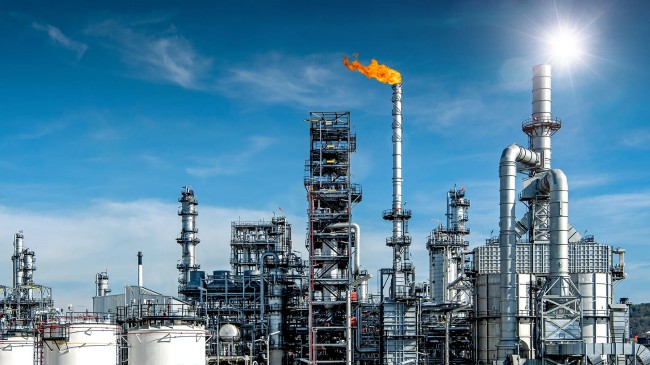
The increasing use of heavier and sour crude oils is creating greater filtration requirements because these feedstocks generally contain higher concentrations of sulfur, sediments, metals, and other contaminants. At the same time, older refineries in developed markets are upgrading their equipment to maintain productivity, safety, and compliance.
Growing petrochemical consumption is another important factor. Demand from plastics, packaging, automotive, construction, and other manufacturing industries is increasing the need for reliable filtration throughout production processes. Meanwhile, digital technologies are transforming conventional filtration systems into smarter solutions capable of monitoring performance and supporting predictive maintenance.
Industry Key Highlights
The global refinery and petrochemical filtration market is expected to reach USD 7.62 billion by 2031, up from USD 5.18 billion in 2025.
The market is projected to expand at a 6.64% CAGR between 2025 and 2031.
Cartridge Filter dominated the market by type in 2024 and is expected to retain its leadership throughout the forecast period.
Increasing processing of heavier and sour crude is raising demand for high-performance filtration technologies.
Aging refinery infrastructure is encouraging filtration-system replacement, retrofitting, and modernization.
Digital monitoring, sensors, automation, and predictive maintenance are creating new opportunities for smart filtration solutions.
Asia Pacific is the fastest-growing regional market, supported by refinery expansions, industrialization, petrochemical investments, and increasing energy consumption.
Demand for cleaner fuels and stronger environmental compliance is encouraging operators to adopt more efficient filtration technologies.
Emerging opportunities are developing across Asia Pacific, Latin America, and Africa as refining and petrochemical capacity expands.
Request For Sample Copy of Report For More Detailed Market insight
Main Drivers
Increasing Complexity of Crude Feedstocks
Modern refineries are increasingly processing heavier and sourer crude oils to maintain feedstock flexibility and meet changing market requirements. Such crude streams can contain greater quantities of sulfur, particulate matter, water, metals, and other impurities.
This increases the burden on downstream processing equipment and creates a stronger need for effective filtration. Advanced filtration systems can help remove contaminants before they damage sensitive equipment or interfere with subsequent processing stages.
Refinery Modernization and Infrastructure Upgrades
A significant portion of the global refining infrastructure is aging. Older facilities require modernization to maintain operational reliability, improve safety, and comply with evolving environmental standards.
Filtration-system upgrades can form an important part of these modernization programs. Replacing outdated systems with higher-capacity and more efficient technologies can help refineries reduce maintenance requirements, protect equipment, and improve overall process performance.
Focus on Efficiency and Cost Optimization
Unplanned shutdowns and equipment failures can have substantial financial consequences for refinery and petrochemical operators. Consequently, companies are increasingly prioritizing technologies that can improve uptime and extend equipment service life.
High-performance filtration systems contribute to this objective by protecting pumps, compressors, catalysts, heat exchangers, and other critical equipment from damaging contaminants. Better filtration can also support consistent process conditions and reduce the frequency of maintenance interventions.
Rising Petrochemical Consumption
The expanding use of plastics, packaging materials, synthetic products, automotive components, and industrial chemicals is increasing global petrochemical demand. As petrochemical manufacturing expands, filtration becomes increasingly important for maintaining product purity and process consistency.
Filtration technologies are used at multiple stages of production, including feedstock treatment, catalyst recovery, solvent purification, cooling-water treatment, and final product polishing.
Environmental Compliance
Governments and regulatory authorities are implementing increasingly stringent requirements concerning emissions, waste management, fuel quality, and industrial pollution. Refineries and petrochemical plants therefore need technologies capable of supporting cleaner and more controlled production.
Filtration systems can help remove particulate matter and other contaminants from process streams while supporting cleaner operations and improved compliance.
Emerging Trends
Smart and Connected Filtration
Digitalization is changing how filtration systems are operated and maintained. Modern solutions can incorporate sensors and monitoring technologies that provide information about pressure, flow, contamination levels, and filter condition.
When integrated with plant management platforms, these systems can support predictive maintenance and enable operators to identify potential problems before they result in costly downtime.
High-Capacity Cartridge Filtration
Cartridge filtration technology continues to evolve through improved media, pleated designs, and higher-capacity configurations. These developments enable filtration systems to handle larger volumes while extending service intervals.
For refinery and petrochemical operators, longer filter life can translate into fewer replacements, reduced maintenance requirements, and lower operating costs.
Advanced and Sustainable Filter Media
Innovation in filtration materials is creating opportunities for improved performance in demanding chemical and industrial environments. Materials such as polypropylene, stainless steel, and PTFE can provide resistance to aggressive chemicals and challenging operating conditions.
The development of advanced filtration media, including nanofiber-based technologies, is also creating opportunities for higher filtration efficiency and improved contaminant capture.
Cleaner Fuels and Low-Sulfur Processing
The movement toward cleaner fuels is creating additional filtration requirements throughout refining operations. As producers adapt to low-sulfur fuel requirements and cleaner processing methods, filtration technologies can help control contaminants and support improved product quality.
Expansion of Bio-Based Processing
The development of bio-based petrochemical processing is opening another potential area of application. As producers explore alternative feedstocks and more sustainable production models, filtration solutions will remain important for separating impurities and maintaining process consistency.
Real-World Use Cases
Lube Oil Filtration
Lubrication systems are critical for maintaining the performance of rotating machinery and other refinery equipment. Filtration removes contaminants from lube oil, helping protect components from premature wear and supporting longer equipment life.
Amine System Filtration
Amine systems are commonly used in gas treatment processes. Effective filtration can remove solids and contaminants from amine streams, helping maintain system efficiency and reduce equipment-related problems.
Cooling Water Treatment
Cooling systems are essential to refinery and petrochemical operations. Filtration helps remove suspended particles and other contaminants from cooling water, supporting efficient heat transfer and reducing the risk of fouling.
Condensate Polishing
Filtration technologies can be used to improve condensate quality by removing suspended solids and other impurities. This can help protect downstream equipment and support reliable process-water management.
Catalyst Recovery
Catalysts are valuable components of many refinery and petrochemical processes. Precision filtration can assist in recovering catalyst particles while reducing product contamination and improving material utilization.
Solvent Filtration
Solvents used in petrochemical operations may require purification before reuse or further processing. Filtration systems can help remove particulate contamination and maintain solvent quality.
Final Product Polishing
Filtration is also used toward the end of processing to achieve required product purity and consistency. This is particularly important when products must meet stringent quality specifications before entering downstream applications or distribution channels.
Competitive Analysis
Parker-Hannifin Corporation
Eaton Corporation plc
Pall Corporation
Donaldson Company, Inc.
MANN+HUMMEL Group
Lydall, Inc.
Camfil AB
Ahlstrom Oyj
Freudenberg Filtration Technologies GmbH & Co. KG
Porvair plc
Customers can also request for 10% free customization on this report.
Regional Outlook
Asia Pacific
Asia Pacific is emerging as the fastest-growing region in the global refinery and petrochemical filtration market. Rapid industrialization, rising energy consumption, expanding refining capacity, and increasing petrochemical production are supporting market development across the region.
China, India, South Korea, and several Southeast Asian economies are investing in new refinery facilities and upgrading existing plants. These developments are creating demand for filtration technologies capable of improving efficiency, protecting equipment, supporting cleaner production, and maintaining product quality.
The region's expanding plastics, fertilizers, synthetic materials, and other petrochemical industries are further increasing demand for precise filtration. Government initiatives, infrastructure development, favorable investment conditions, and growing industrial capacity are also attracting international filtration technology providers.
Beyond Asia Pacific, Latin America and Africa offer additional opportunities as refining infrastructure develops and operators increasingly seek modern technologies for efficiency and environmental compliance.
Segmentation
The global refinery and petrochemical filtration market is segmented as follows:
By Type
Coalescer Filter
Cartridge Filter
Electrostatic Precipitator
Filter Press
Bag Filter
Others
Cartridge Filter accounted for the dominant share of the market in 2024 and is expected to maintain its leadership through the forecast period. Its compact design, high filtration precision, depth-filtration capabilities, ease of replacement, and broad chemical compatibility make it suitable for numerous refinery and petrochemical applications.
By Application
Liquid-Liquid Separation
Liquid-Gas Separation
Others
By Region
North America
Europe
Asia Pacific
South America
Middle East & Africa
Future Growth Outlook
The refinery and petrochemical filtration market is positioned for continued expansion as operators balance increasing production requirements with efficiency, safety, and environmental objectives. The growing complexity of feedstocks is likely to maintain demand for robust contaminant-removal systems, while aging facilities will continue to create opportunities for replacement and retrofit projects.
At the same time, smart filtration, advanced filter media, nanofiber technologies, and predictive maintenance capabilities are moving filtration beyond its traditional role as a passive process component. Connected systems can provide operators with greater visibility into filter performance and enable more data-driven maintenance decisions.
The transition toward cleaner fuels, low-sulfur processing, sustainable production, and bio-based feedstocks could further expand the addressable market. Emerging economies, particularly across Asia Pacific, Latin America, and Africa, are also expected to create opportunities as refinery and petrochemical infrastructure expands.
4 Frequently Asked Questions (FAQs)
1. What is the projected size of the global refinery and petrochemical filtration market by 2031?
The global refinery and petrochemical filtration market is projected to reach USD 7.62 billion by 2031, compared with USD 5.18 billion in 2025.
2. What is the expected CAGR of the refinery and petrochemical filtration market?
The market is projected to expand at a 6.64% CAGR between 2025 and 2031.
3. Which filtration type is expected to dominate the market?
The Cartridge Filter segment dominated the market in 2024 and is expected to maintain its leadership throughout the forecast period because of its filtration precision, operational flexibility, ease of maintenance, and suitability across multiple refinery and petrochemical applications.
4. Which region is expected to experience the fastest growth?
Asia Pacific is emerging as the fastest-growing regional market, supported by refinery capacity expansion, industrialization, rising petrochemical production, increasing energy demand, infrastructure modernization, and stricter environmental requirements.
Contact US:
Techsci Research LLC
420 Lexington Avenue, Suite 300,
New York, United States- 10170
Tel: +13322586602
Email: [email protected]
Comments
Log in or sign up to join the conversation.