

The global Refinery and Petrochemical Filtration Market is witnessing remarkable momentum as the oil & gas and petrochemical industries increasingly prioritize operational efficiency, product quality, environmental compliance, and equipment reliability. As refining and petrochemical operations become more sophisticated, filtration systems have evolved from being simple process-support components to becoming strategic assets that directly influence plant productivity, maintenance costs, and environmental performance.
According to TechSci Research report, “Global Refinery and Petrochemical Filtration Market - Industry Size, Share, Trends, Competition Forecast & Opportunities, 2031F, The Global Refinery and Petrochemical Filtration Market is projected to grow from USD 5.18 Billion in 2025 to USD 7.62 Billion by 2031 at a 6.64% CAGR. This growth reflects the industry's increasing investment in advanced filtration technologies that improve production efficiency while meeting evolving environmental and operational standards.
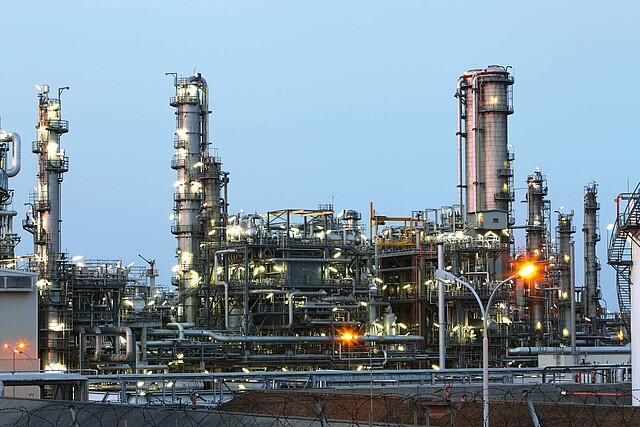
Filtration systems are indispensable across refinery and petrochemical facilities, ensuring the removal of contaminants from liquids, gases, lubricants, chemicals, and process streams. They safeguard critical equipment, improve process reliability, reduce maintenance frequency, and enhance the quality of final products. As global demand for petroleum derivatives, specialty chemicals, plastics, lubricants, and industrial chemicals continues to rise, the importance of efficient filtration systems has never been greater.
Growing investments in refinery modernization, petrochemical expansion, cleaner fuel production, and digital plant management continue to strengthen the long-term outlook of the refinery and petrochemical filtration market worldwide.
Request For Sample Copy of Report For More Detailed Market insight: https://www.techsciresearch.com/sample-report.aspx?cid=29578#requestform
Industry Key Highlights
Global market projected to reach USD 7.62 Billion by 2031
Expected CAGR of 6.64% during the forecast period
Rising adoption of advanced cartridge filtration technologies
Increasing refinery modernization and infrastructure upgrades
Growing demand for cleaner fuels and environmentally compliant operations
Expanding petrochemical production worldwide
Smart filtration systems transforming maintenance practices
Asia Pacific emerging as the fastest-growing regional market
Digital monitoring and predictive maintenance driving technological innovation
Increasing investments in sustainable and energy-efficient filtration solutions
Market Overview
Modern refineries operate under increasingly demanding production environments where even minor contamination can significantly affect process efficiency, catalyst performance, equipment lifespan, and product quality. Consequently, advanced filtration technologies have become essential across upstream, midstream, and downstream operations.
Filtration systems are widely used for crude oil processing, catalyst protection, cooling water treatment, hydraulic systems, compressor lubrication, fuel purification, amine treatment, condensate polishing, solvent recovery, wastewater treatment, and final product polishing. These systems help remove suspended solids, particulate contaminants, corrosion particles, water droplets, hydrocarbons, and other unwanted impurities.
As production volumes continue to increase globally, industrial operators are investing in more efficient filtration technologies capable of handling higher flow rates while maintaining superior filtration efficiency. This ongoing technological evolution continues to create significant opportunities for filtration manufacturers worldwide.
Major Market Drivers
Rising Complexity of Feedstock Processing
One of the most influential drivers of market growth is the increasing complexity of crude oil feedstocks processed by modern refineries.
Many refineries are shifting toward heavier crude oils and sour crude varieties due to changing global supply dynamics. These feedstocks contain significantly higher levels of sulfur compounds, sediments, water, heavy metals, and other impurities. Processing such complex feedstocks requires highly efficient filtration systems capable of removing contaminants before they damage sensitive equipment or interfere with refining operations.
Advanced filtration technologies play a vital role in protecting pumps, compressors, heat exchangers, reactors, turbines, and catalysts from excessive wear and contamination. Their ability to maintain process integrity while handling difficult feedstocks significantly increases operational efficiency and reduces maintenance costs.
As global crude sourcing becomes increasingly diversified, demand for high-performance filtration systems is expected to accelerate further.
Increasing Refinery Modernization Projects
Across developed economies, many refinery facilities have been operating for decades. Aging infrastructure often struggles to meet today's production standards, environmental regulations, and operational efficiency requirements.
Rather than constructing entirely new facilities, refinery operators are increasingly investing in modernization and retrofitting programs. These upgrades frequently include replacing outdated filtration equipment with advanced high-capacity systems featuring superior contaminant removal efficiency.
Modern filtration technologies improve process stability while extending equipment life, reducing maintenance intervals, and lowering operating expenses. Consequently, infrastructure modernization continues to generate significant demand throughout the forecast period.
Growing Emphasis on Operational Efficiency
Industrial operators are under constant pressure to maximize production while minimizing operational costs.
Unexpected equipment failures, process interruptions, and maintenance shutdowns can result in substantial financial losses. Efficient filtration systems reduce contamination-related failures, extend lubricant life, improve equipment reliability, and minimize unplanned downtime.
High-performance filtration directly contributes to:
Longer equipment lifespan
Reduced maintenance frequency
Improved process stability
Lower energy consumption
Enhanced production efficiency
Higher throughput
Better product quality
As profitability increasingly depends on optimized plant performance, investment in premium filtration technologies continues to grow.
Expanding Global Petrochemical Industry
The petrochemical industry remains one of the fastest-growing industrial sectors worldwide.
Rapid demand growth across industries such as automotive, packaging, construction, pharmaceuticals, agriculture, textiles, consumer goods, and electronics continues to stimulate petrochemical production.
Petrochemical manufacturing requires extremely clean process streams to ensure consistent product quality and protect sensitive catalysts. Filtration systems remove contaminants during various stages of production, including feedstock purification, solvent recovery, catalyst protection, polymer processing, and final product polishing.
As global consumption of plastics, synthetic fibers, fertilizers, industrial chemicals, and specialty chemicals expands, filtration demand continues to increase proportionally.
Stricter Environmental Regulations
Governments worldwide continue implementing increasingly stringent environmental regulations aimed at reducing industrial emissions, wastewater contamination, and hazardous waste generation.
Modern filtration technologies help refineries achieve regulatory compliance by efficiently removing particulate matter, suspended solids, hydrocarbons, sulfur compounds, and other contaminants before discharge or reuse.
Filtration also supports wastewater recycling initiatives, allowing facilities to reuse process water while minimizing freshwater consumption.
Environmental sustainability has therefore become a significant catalyst for continuous investment in advanced filtration solutions.
Emerging Trends Shaping the Refinery and Petrochemical Filtration Market
Smart Filtration Systems
Digital transformation is reshaping industrial filtration.
Modern filtration systems increasingly incorporate sensors, IoT connectivity, cloud-based monitoring, and advanced analytics that continuously monitor pressure differentials, flow rates, contamination levels, and filter conditions.
These intelligent systems enable predictive maintenance rather than reactive maintenance, reducing unexpected failures and optimizing replacement schedules.
Remote monitoring capabilities also improve operational visibility across multiple facilities, allowing maintenance teams to identify potential issues before production is affected.
Nanofiber Filtration Technology
Nanofiber-based filtration media are becoming increasingly popular due to their exceptional contaminant capture efficiency.
Compared to conventional filter materials, nanofiber filters offer:
Higher filtration precision
Lower pressure drop
Improved airflow
Greater contaminant retention
Longer operational life
Reduced energy consumption
These advantages make nanofiber technologies particularly attractive for demanding refinery and petrochemical applications.
Sustainable Filtration Solutions
Sustainability is becoming a core purchasing criterion across industrial sectors.
Manufacturers are developing environmentally friendly filter materials with improved recyclability and reduced environmental impact. Reusable filtration systems and energy-efficient designs are gaining widespread adoption as companies seek to reduce operational emissions while supporting broader sustainability initiatives.
High-Capacity Pleated Cartridge Filters
Continuous innovation has resulted in pleated cartridge filters capable of handling significantly larger fluid volumes without compromising filtration performance.
Their larger filtration surface area enables:
Extended service life
Fewer replacements
Lower maintenance costs
Improved operational efficiency
Reduced waste generation
These benefits continue to strengthen their adoption across large-scale refinery operations.
Automation and Industry 4.0 Integration
Automation is rapidly transforming refinery operations.
Filtration systems are increasingly integrated into centralized plant automation platforms that provide real-time operational intelligence.
Automated monitoring enables facilities to optimize filtration performance while minimizing manual inspections, reducing labor costs, and improving plant safety.
Market Challenges
Despite strong growth prospects, the industry faces several challenges.
High initial installation costs remain a concern for smaller operators with limited capital expenditure budgets. Advanced filtration systems often require specialized engineering, customized installation, and integration with existing infrastructure.
Additionally, volatile crude oil prices may influence investment decisions within the refinery sector, delaying modernization projects during periods of reduced profitability.
Maintaining filtration performance in extremely harsh chemical environments also presents technical challenges that require continuous innovation in filter media and system design.
Nevertheless, ongoing technological advancements continue addressing these issues while improving long-term return on investment.
Cartridge Filter Segment Leads the Market
Based on filtration type, the Cartridge Filter segment accounted for the largest market share and is expected to maintain its dominance throughout the forecast period.
Cartridge filters have become the preferred solution across refinery and petrochemical facilities because of their exceptional filtration accuracy, compact design, operational flexibility, and ease of maintenance.
Unlike conventional filtration methods, cartridge filters provide superior depth filtration, enabling higher contaminant retention while maintaining consistent flow performance.
Their operational benefits include:
High dirt-holding capacity
Excellent filtration precision
Longer operational lifespan
Easy installation
Quick replacement
Reduced maintenance downtime
Lower operating costs
These advantages significantly improve plant productivity and reduce maintenance-related shutdowns.
Cartridge filters are extensively deployed across:
Lube oil filtration
Hydraulic systems
Cooling water treatment
Condensate polishing
Catalyst recovery
Solvent filtration
Fuel purification
Chemical processing
Final product polishing
Their compatibility with materials such as stainless steel, polypropylene, PTFE, and specialty polymers enables reliable operation even under aggressive chemical conditions.
Technological advancements including pleated cartridges, multilayer filtration media, and high-capacity filter designs continue enhancing the performance and economic value of cartridge filtration systems.
Regional Insights
Asia Pacific Emerges as the Fastest-Growing Market
Asia Pacific has become the most dynamic region within the global refinery and petrochemical filtration market.
Rapid industrialization, urbanization, expanding manufacturing activities, and increasing energy demand continue driving significant investments across refinery and petrochemical infrastructure.
Countries including China, India, South Korea, Indonesia, Malaysia, Thailand, and Vietnam are expanding refining capacity while upgrading existing facilities to meet growing domestic and export demand.
These developments are generating substantial demand for advanced filtration technologies that improve operational efficiency and support environmental compliance.
Governments across the region are implementing stricter pollution control regulations while encouraging cleaner industrial production practices.
As a result, industrial operators are investing heavily in filtration systems capable of reducing emissions, improving wastewater treatment, and supporting sustainable manufacturing.
The region also benefits from:
Strong petrochemical demand
Favorable government policies
Growing foreign direct investment
Competitive manufacturing costs
Expanding downstream industries
Increasing refinery modernization
Strategic industry partnerships
Collectively, these factors position Asia Pacific as the fastest-growing regional market over the forecast period.
Competitive Analysis
Leading Companies Operating in the Market
Major companies contributing significantly to the global refinery and petrochemical filtration industry include:
Parker-Hannifin Corporation
Eaton Corporation plc
Pall Corporation
Donaldson Company, Inc.
MANN+HUMMEL Group
Lydall, Inc.
Camfil AB
Ahlstrom Oyj
Freudenberg Filtration Technologies GmbH & Co. KG
Porvair plc
Customers can also request for 10% free customization on this report.
Future Outlook
The future of the global refinery and petrochemical filtration market appears highly promising as industries continue prioritizing operational excellence, digital transformation, sustainability, and cleaner production processes.
Increasing investments in refinery expansion projects, petrochemical manufacturing facilities, and infrastructure modernization are expected to sustain robust demand for advanced filtration technologies throughout the coming years.
Emerging technologies such as artificial intelligence, predictive analytics, digital twins, IoT-enabled monitoring, and automated filtration management systems will fundamentally transform filtration operations by improving maintenance planning and maximizing equipment performance.
Growing adoption of renewable fuels, bio-based feedstocks, hydrogen processing, and carbon reduction initiatives will create entirely new application areas for specialized filtration technologies.
Manufacturers that continue investing in innovation, sustainability, smart monitoring capabilities, and customized engineering solutions will be well positioned to capitalize on future market opportunities.
With industrial efficiency, environmental compliance, and digital transformation becoming strategic priorities across global refining and petrochemical operations, the refinery and petrochemical filtration market is expected to maintain strong and sustainable growth well beyond 2031.
10 Benefits of the Refinery and Petrochemical Filtration Market Research Report
Provides detailed insights into current and future market size projections.
Identifies major market drivers, restraints, opportunities, and emerging trends.
Offers comprehensive segmentation analysis across type, application, and region.
Assists investors in identifying profitable growth opportunities.
Evaluates competitive positioning and strategic initiatives of leading market participants.
Supports informed business planning and long-term investment decisions.
Highlights regional growth dynamics and high-potential emerging markets.
Examines technological innovations shaping future industry developments.
Delivers valuable intelligence for product development, expansion, and partnership strategies.
Enables organizations to develop data-driven business strategies while minimizing market risks and improving competitive advantage.
Contact US:
Techsci Research LLC
420 Lexington Avenue, Suite 300,
New York, United States- 10170
Tel: +13322586602
Email: [email protected]
Web: https://www.techsciresearch.com/
Comments
Log in or sign up to join the conversation.