

Buying a vehicle in Rajasthan comes with more than just choosing a model, arranging finance, and getting insurance. Every vehicle owner must follow specific transport regulations related to registration, driving licences, road tax, permits, and other legal requirements. The Rajasthan RTO system plays an important role in ensuring that vehicles and drivers comply with these rules across the state.
The Regional Transport Offices (RTOs) in Rajasthan operate under the Motor Vehicles Act and applicable state transport regulations. Their responsibilities cover a wide range of services, from issuing driving licences and registering new vehicles to transferring ownership and issuing permits for commercial vehicles. Understanding these services can help vehicle owners complete formalities correctly and avoid unnecessary delays or penalties.
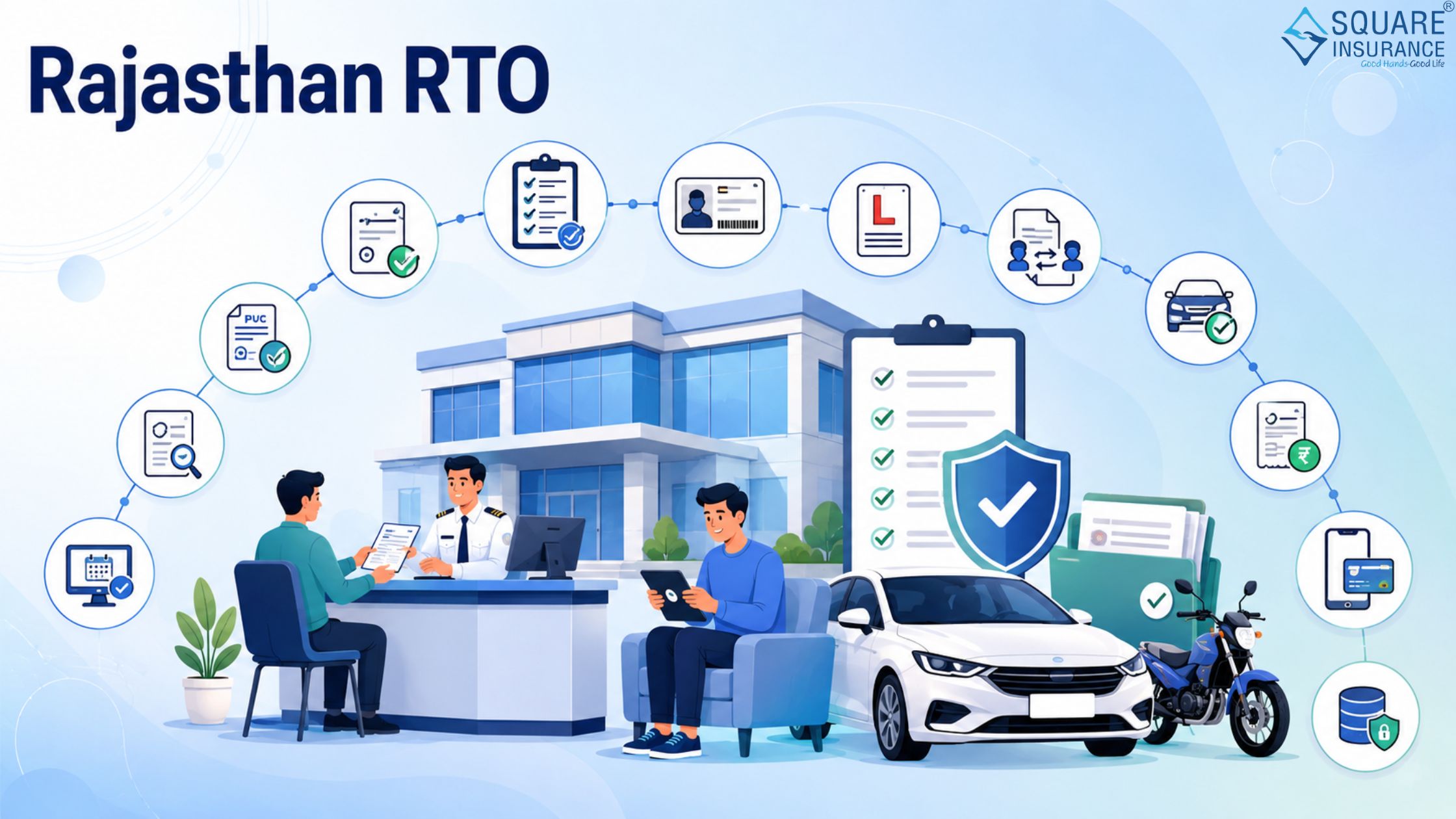
What Is the Rajasthan RTO?
The Regional Transport Office, commonly known as the RTO, is a government authority responsible for regulating road transport and motor vehicles within its jurisdiction. Rajasthan has multiple RTO and transport offices serving different districts and cities.
The primary functions of these offices include:
Registering new and used motor vehicles
Issuing Registration Certificates (RC)
Granting and renewing driving licences
Issuing learner's licences
Transferring vehicle ownership
Updating vehicle registration details
Collecting applicable road taxes
Issuing permits for commercial and transport vehicles
Providing fitness certificates for eligible vehicles
Approving vehicle-related changes as permitted under regulations
Taking action against violations of motor vehicle laws
The exact services and procedures may vary depending on the type of vehicle and the nature of the application.
Vehicle Registration in Rajasthan
Vehicle registration is one of the most important responsibilities of the RTO. A new motor vehicle generally needs to be registered with the concerned transport authority before it can be legally used on public roads.
When purchasing a new vehicle, the dealer often assists with the registration process. The vehicle owner may need to provide documents such as:
Proof of identity
Proof of address
Vehicle invoice
Sale certificate
Roadworthiness or relevant vehicle documents
Valid insurance
Applicable tax and fee receipts
Pollution Under Control (PUC) certificate, where applicable
Other documents required by the transport authority
After completing the necessary verification and formalities, the vehicle is assigned a registration number, and the Registration Certificate is issued.
The registration number generally contains the state code RJ, followed by the relevant RTO code and a unique registration sequence. For example, registration codes such as RJ-14 are associated with Jaipur areas, while other codes represent different RTO jurisdictions.
Vehicle owners should ensure that the registration details remain accurate. Any change in address, ownership, or other relevant information should be updated according to the prescribed procedure.
Transfer of Vehicle Ownership
When a registered vehicle is sold or transferred to another person, the ownership details must be updated in the official records. This process is important because the registered owner's name is linked to the vehicle's legal records.
The transfer process usually involves submitting the required forms and supporting documents, along with applicable fees. Depending on the circumstances, documents may include the existing RC, insurance details, proof of identity and address, and other prescribed paperwork.
If the vehicle is being transferred to another state, additional formalities may apply. Owners should check the applicable requirements before completing an interstate transfer.
Timely ownership transfer is essential because leaving the vehicle registered in the previous owner's name can create complications involving traffic violations, insurance claims, taxation, or legal notices.
Driving Licence Services in Rajasthan
A driving licence is mandatory for anyone who wants to legally drive a motor vehicle on public roads, subject to the applicable age and eligibility requirements.
The RTO provides several driving licence-related services, including:
Learner's licence
Permanent driving licence
Driving licence renewal
Duplicate driving licence
Addition of a new vehicle class
Changes or updates to licence details
International Driving Permit, where applicable
The process generally begins with a learner's licence for eligible applicants. After completing the required learning period and meeting the applicable conditions, the applicant can apply for a permanent driving licence and take the prescribed driving test.
Applicants should select the correct vehicle category based on the type of vehicle they intend to drive. Driving a vehicle without the appropriate licence category can lead to legal consequences.
Road Tax and Vehicle-Related Charges
Road tax is an important financial obligation associated with vehicle ownership. The amount payable can depend on factors such as the vehicle type, usage, engine capacity, price, seating capacity, and applicable state regulations.
Private vehicle owners may pay taxes according to the applicable schedule, while commercial and transport vehicles can be subject to different taxation structures and permit requirements.
Before purchasing a vehicle, it is advisable to understand the applicable registration fees, road tax, and other charges. This gives buyers a clearer idea of the overall cost of ownership beyond the vehicle's showroom price.
Commercial Vehicle Permits and Fitness
Commercial and transport vehicles generally have additional compliance requirements compared with private vehicles. Depending on their use, they may require appropriate permits and valid fitness certificates.
The RTO and transport authorities are responsible for regulating these vehicles to ensure that they meet prescribed safety and operational standards. Owners of commercial vehicles should keep their permits, fitness certificates, insurance, pollution certificates, and other mandatory documents valid.
Operating a commercial vehicle without the required documents can result in penalties and other enforcement action.
Important Vehicle Rules for Rajasthan Owners
Vehicle owners should follow several basic rules to remain compliant with transport regulations. Some of the most important practices include:
Keep the RC Valid and Updated
The Registration Certificate is a key document proving that the vehicle is registered. Owners should ensure that the information recorded in the RC is accurate and updated when required.
Maintain Valid Motor Insurance
A vehicle being driven on public roads must have the legally required motor insurance coverage. Driving without valid insurance can result in penalties and may create financial difficulties in the event of an accident.
Carry Required Documents
Depending on the circumstances, drivers may need to produce documents such as the driving licence, RC, insurance certificate, and valid PUC certificate. Keeping these documents accessible can make roadside verification easier.
Follow Traffic and Safety Regulations
Vehicle owners and drivers must comply with applicable traffic rules, speed restrictions, helmet requirements for two-wheeler riders, seat-belt regulations, and other road safety requirements.
Renew Documents on Time
Expired licences, permits, fitness certificates, insurance policies, or other mandatory documents can create compliance problems. Vehicle owners should track renewal dates and complete the necessary formalities before expiry.
How RTO Services Benefit Vehicle Owners
RTO services are not limited to paperwork. They form an important part of India's road transport framework. Proper registration helps establish legal ownership, while driving licences ensure that drivers meet the required eligibility standards.
Similarly, permits and fitness certificates help regulate commercial transport, while taxation contributes to the administration of road transport infrastructure. By completing RTO formalities correctly, vehicle owners can reduce the risk of penalties and avoid complications during resale, insurance claims, or interstate movement.
Digitalisation has also made several transport-related processes more convenient. Depending on the service and eligibility, applicants may be able to initiate applications, access information, schedule appointments, or check application status through authorised digital channels.
However, applicants should always verify the latest requirements, fees, and documentation before submitting an application, as procedures and charges may change over time.
Frequently Asked Question (FAQs)
Q1. What is the role of the Rajasthan RTO?
The Rajasthan RTO is responsible for vehicle registration, driving licences, ownership transfers, road tax-related services, permits, fitness certificates, and other transport-related regulatory functions.
Q2. Is vehicle registration mandatory in Rajasthan?
Yes. Motor vehicles generally need to be registered with the appropriate transport authority before being legally driven on public roads.
Q3. What documents are generally required for vehicle registration?
Common documents may include identity and address proof, vehicle invoice, sale certificate, valid insurance, applicable tax and fee receipts, and other documents prescribed by the transport authority.
Q4. Can vehicle ownership be transferred in Rajasthan?
Yes. The registered ownership of a vehicle can be transferred by following the prescribed process and submitting the required documents and applicable fees.
Q5. What services are available for driving licences?
Driving licence services can include learner's licences, permanent licences, renewals, duplicate licences, addition of vehicle classes, and other permitted updates.
Q6. What is the importance of a vehicle Registration Certificate?
The RC serves as an important official record of vehicle registration and contains key details about the vehicle and its registered owner.
Conclusion
Understanding the Rajasthan RTO system can make vehicle ownership more straightforward and help drivers stay compliant with applicable transport regulations. From registration and driving licences to ownership transfers, road tax, permits, and vehicle fitness, each service serves an important purpose in maintaining an organised and safer road transport system.
Vehicle owners should keep their documents valid, follow traffic regulations, and complete RTO-related formalities within the required timelines. Along with these responsibilities, maintaining suitable motor insurance is equally important for protecting yourself and your vehicle against covered financial risks. Square Insurance can help customers make informed insurance decisions by comparing suitable options and managing their insurance needs.
Comments
Log in or sign up to join the conversation.