

According to TechSci Research report, “Racing Games Market Trends- Global Industry Size, Share, Competition Forecast & Opportunities, 2031F, The Global Racing Games Market will grow from USD 5.55 Billion in 2025 to USD 9.84 Billion by 2031 at a 10.01% CAGR.
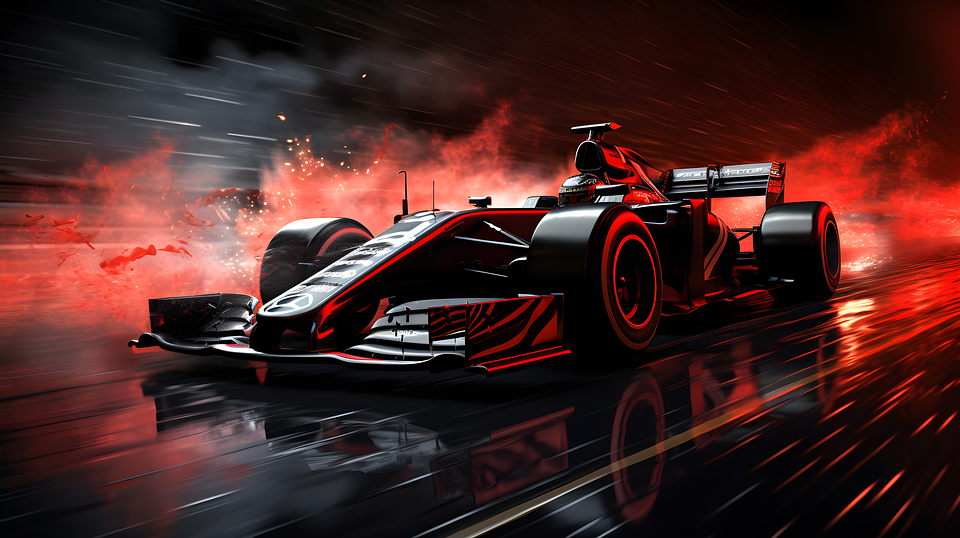
Racing games have progressed far beyond traditional track-based competitions. Modern titles combine realistic graphics, advanced physics engines, expansive environments, online multiplayer functionality, vehicle customization, and competitive gaming features. These developments are attracting both traditional gaming enthusiasts and new audiences interested in interactive motorsports experiences.
The growing popularity of esports has become particularly important for the genre. Competitive racing titles are increasingly being used for professional tournaments, virtual championships, online leagues, and organized competitions. At the same time, improvements in gaming hardware, high-speed internet connectivity, cloud-based services, and immersive technologies are enabling developers to create increasingly realistic experiences.
The expansion of gaming across consoles, PCs, smartphones, and dedicated racing simulators is also broadening the market's consumer base. Meanwhile, open-world gameplay and dynamic environments are giving players greater freedom to explore virtual worlds instead of being restricted to conventional racing circuits.
Industry Key Highlights
The Global Racing Games Market is expected to grow from USD 5.55 billion in 2025 to USD 9.84 billion by 2031.
The market is forecast to expand at a 10.01% CAGR between 2025 and 2031.
Consoles dominated the market based on application in 2024 and are expected to retain their leading position during the forecast period.
The expansion of esports and competitive gaming is creating new opportunities for racing game developers and publishers.
Open-world racing environments are becoming increasingly popular among players seeking exploration and interactive gameplay.
Dynamic weather, traffic, changing time of day, and realistic environments are improving immersion.
Asia Pacific is the fastest-growing regional market, supported by gaming adoption, internet penetration, esports development, and a large technology-oriented population.
Growth in mobile gaming is helping racing games reach consumers in emerging markets, including India and Southeast Asia.
Virtual reality, augmented reality, improved graphics, multiplayer gaming, and advanced simulation technologies are expected to influence future market development.
Request For Sample Copy of Report For More Detailed Market insight
Main Drivers
Expansion of Esports and Competitive Racing
The rapid development of esports has emerged as a major growth engine for racing games. Competitive gaming has evolved into a mainstream entertainment format, attracting professional players, streamers, sponsors, publishers, and millions of viewers.
Racing games have become an important part of this ecosystem through professional leagues, online championships, tournaments, and virtual motorsport events. Titles such as F1 and iRacing have established dedicated competitive communities where players can participate in structured races and demonstrate their driving skills.
Virtual racing events also create opportunities for collaboration between traditional motorsports and gaming. Competitions associated with Formula E and NASCAR have demonstrated how real-world racing organizations can use digital platforms to engage audiences.
Live-streaming platforms further amplify this trend. Competitive races can be broadcast to global audiences, allowing viewers to interact with competitors and communities in real time. Sponsorships, advertising, streaming revenue, digital purchases, and event-related opportunities can therefore contribute to the broader commercial ecosystem surrounding racing games.
Increasing Demand for Immersive Gaming
Players increasingly expect games to deliver realistic visuals, responsive controls, sophisticated physics, and believable environments. Racing games are particularly well positioned to benefit from these developments because realistic vehicle behavior and detailed environments are central to the gameplay experience.
High-performance graphics hardware, improved game engines, advanced controllers, steering wheels, and specialized racing setups are helping developers deliver more authentic experiences. These developments are attracting both casual players and dedicated simulation enthusiasts.
Growth of Multiplayer Experiences
Online multiplayer functionality has transformed racing from an individual gaming activity into a highly social experience. Players can compete against friends, participate in global races, form communities, and take part in online championships.
The increasing availability of high-speed internet is making multiplayer racing more accessible across developed and emerging markets. Developers are also using seasonal events, online challenges, rankings, and competitive rewards to encourage players to remain active within gaming ecosystems.
Expansion of Mobile Gaming
Smartphones have significantly expanded access to gaming, particularly in emerging economies. Racing games are well suited to mobile platforms because they can provide short, engaging gameplay sessions while also supporting competitive and multiplayer features.
Growing smartphone adoption, affordable mobile internet, and improvements in mobile processors and graphics capabilities are helping developers create increasingly sophisticated racing experiences. Markets such as India and Southeast Asia represent significant opportunities because of their large populations and expanding gaming communities.
Emerging Trends
Open-World Racing Experiences
The transition from conventional track-based racing toward open-world gameplay is one of the most influential trends in the market. Instead of simply completing predefined laps, players can explore large virtual environments, discover events, participate in challenges, and interact with different locations.
Games such as Forza Horizon and The Crew have demonstrated the appeal of this approach. Players can drive through cities, mountains, coastal routes, highways, and other environments while participating in a wide range of activities.
Open-world design also provides developers with greater flexibility to introduce new missions, events, vehicles, and exploration-based features.
Dynamic Environments
Dynamic environmental systems are making racing games more realistic and unpredictable. Weather conditions, traffic patterns, lighting, and time of day can change during gameplay, requiring players to adapt their driving strategies.
Rain can alter road conditions, nighttime driving can reduce visibility, and changing traffic can influence racing routes. These features increase realism while encouraging players to interact with the game world rather than simply following a fixed circuit.
Virtual and Augmented Reality
VR and AR technologies have the potential to further transform racing experiences. Virtual reality can place players directly inside a digital cockpit, providing a stronger sense of speed, scale, and immersion.
As hardware becomes more accessible and developers improve compatibility, immersive technologies could become increasingly important for premium racing simulations and competitive gaming experiences.
Advanced Vehicle Customization
Vehicle customization is another important engagement mechanism. Players increasingly expect the ability to modify vehicles according to their preferences, including appearance, performance, handling, and accessories.
Customization encourages longer engagement because players can continually develop and personalize their virtual collections. It also creates opportunities for developers to introduce additional digital content and in-game experiences.
Competitive Analysis
The key market players listed for the Racing Games Market include:
HP Development Company, L.P.
Fiserv, Inc.
NEC Corporation
Samsung Electronics Co., Ltd.
VeriFone, Inc.
Panasonic Corporation
NVIDIA Corporation
Toshiba Corporation
Oracle Corporation
Posiflex Technology, Inc.
Segmentation
The Racing Games Market can be segmented based on type, application, and region.
By Type
The market is categorized into:
Client Type
Web Game Type
Different delivery models allow developers to target consumers according to their preferred gaming environment, access method, and hardware capabilities.
By Application
The application segments include:
Racing Simulators
PC
Mobile
Consoles
Consoles dominated the Racing Games Market in 2024 and are expected to maintain their leadership during the forecast period.
PlayStation, Xbox, and Nintendo platforms continue to attract racing enthusiasts because they provide stable gaming environments, advanced graphics, dedicated controllers, and access to established racing franchises.
Popular console-exclusive or console-focused titles, including Gran Turismo and Forza Motorsport, strengthen consumer interest in this segment. Specialized steering wheels and other accessories can further enhance the console racing experience.
Although PC and mobile gaming are expanding rapidly, particularly in competitive simulations and accessible mobile racing, the established console ecosystem and strong franchise presence are expected to support continued segment leadership.
By Region
The market is analyzed across:
North America
Europe
Asia Pacific
South America
Middle East & Africa
Asia Pacific is the fastest-growing region in the Racing Games Market.
The region's expansion is supported by increasing internet penetration, a rapidly developing gaming ecosystem, a large young population, and rising participation in esports. China, Japan, and South Korea have particularly strong gaming cultures, while emerging markets such as India and Southeast Asian countries are contributing to future growth through mobile gaming.
Investment in gaming infrastructure, improved connectivity, smartphone adoption, and expanding esports events are expected to further strengthen the regional market.
FAQ
1. What is the projected size of the Global Racing Games Market by 2031?
The Global Racing Games Market is projected to reach USD 9.84 billion by 2031, compared with USD 5.55 billion in 2025.
2. What is driving the growth of the Racing Games Market?
Major growth factors include the expansion of esports, increasing multiplayer gaming, improved graphics and gaming hardware, rising smartphone adoption, open-world racing experiences, and growing interest in realistic racing simulations.
3. Which application segment dominates the Racing Games Market?
The Consoles segment dominated the market in 2024 and is expected to retain its leading position throughout the forecast period. Strong gaming ecosystems, established racing franchises, advanced graphics, and specialized controllers support its continued growth.
4. Which region is expected to grow fastest in the Racing Games Market?
Asia Pacific is expected to be the fastest-growing regional market. Expanding gaming industries, rising internet penetration, esports participation, smartphone adoption, and a large young technology-oriented population are key factors supporting regional growth.
Contact US:
Techsci Research LLC
420 Lexington Avenue, Suite 300,
New York, United States- 10170
Tel: +13322586602
Email: [email protected]
Comments
Log in or sign up to join the conversation.