


The appearance of a commercial property can influence how customers, employees, tenants, and visitors perceive a business. Premium painting services for commercial properties focus on maintaining interior and exterior surfaces while addressing the specific requirements of offices, retail spaces, warehouses, and other business environments.
Commercial painting involves more than applying a fresh coat of paint. Proper planning, surface preparation, material selection, safety practices, and scheduling all play important roles in achieving a durable and professional-looking result.
What Are Commercial Painting Services?
Commercial painting services involve painting and maintaining buildings used for business or professional purposes. These properties can include offices, retail stores, restaurants, healthcare facilities, warehouses, educational buildings, apartment complexes, and industrial spaces.
The scope of work depends on the property's condition and the needs of the building. Some projects involve refreshing a single interior area, while others require extensive preparation and painting across multiple surfaces.
Common Types of Commercial Painting Projects
Commercial painting may include:
Interior wall and ceiling painting
Exterior building painting
Office and workplace repainting
Retail and restaurant painting
Warehouse and industrial facility painting
Surface preparation and repairs
Protective coatings
Painting of doors, trim, and other architectural features
Each project requires a different approach based on the building materials, environmental conditions, and expected use of the space.
Why Is Surface Preparation Important?
Surface preparation is one of the most important stages of a commercial painting project. Paint may not adhere properly to surfaces that contain dirt, moisture, peeling material, cracks, or other contaminants.
Preparation can include cleaning, sanding, scraping, patching damaged areas, and applying suitable primers. These steps help create a more stable surface before the paint is applied.
Common Surface Preparation Steps
Depending on the property, preparation may involve:
Removing loose or peeling paint
Cleaning dirt and surface contaminants
Repairing cracks and minor damage
Sanding rough surfaces
Addressing moisture-related concerns
Applying primers where appropriate
Protecting nearby floors, furniture, and equipment
Skipping preparation can reduce the lifespan of a paint job. Taking time to evaluate and prepare surfaces often contributes to a more consistent finish.
What Should Businesses Consider Before Painting?
Planning helps reduce unnecessary disruptions during a commercial painting project. Business owners and property managers should consider the building's operating hours, employee activity, customer access, and areas that require special protection.
Scheduling is particularly important in busy workplaces. Some painting projects can be completed in stages to help minimize interruptions to daily operations.
Important Planning Factors
Before beginning a project, consider:
The condition of existing surfaces
Interior or exterior painting needs
Business operating hours
Areas that need to remain accessible
Ventilation requirements
Paint durability requirements
Cleaning and maintenance needs
Safety considerations
A clear plan can make it easier to coordinate the project and manage expectations throughout the process.
Choosing Paint for Commercial Environments
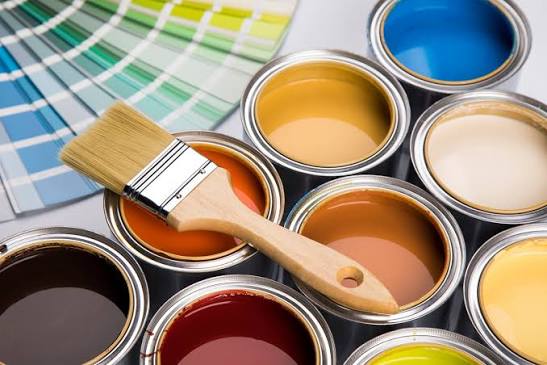
Different commercial spaces have different requirements. A paint suitable for a quiet office may not be the best choice for a high-traffic hallway, warehouse, or area exposed to moisture.
Factors such as durability, washability, finish, and environmental exposure can influence paint selection. The right product should be matched to the surface and the conditions it will experience.
Common Paint Finish Options
Flat and matte finishes can help reduce the appearance of minor surface imperfections. However, they may not always be as easy to clean as other finishes.
Eggshell and satin finishes offer a balance between appearance and durability. Semi-gloss and gloss finishes are often easier to clean and may be useful for trim, doors, and areas that experience frequent contact.
Interior vs. Exterior Commercial Painting
Interior and exterior painting projects face different challenges. Interior surfaces may be affected by daily traffic, cleaning, furniture movement, and general wear.
Exterior surfaces are exposed to sunlight, rain, humidity, temperature changes, and other environmental conditions. Because of these differences, preparation methods and paint products may vary.
Feature | Interior Commercial Painting | Exterior Commercial Painting |
|---|---|---|
Main concerns | Traffic, cleaning, appearance | Weather and environmental exposure |
Surface preparation | Cleaning, patching, sanding | Cleaning, scraping, repairs, priming |
Paint priorities | Washability and appearance | Durability and weather resistance |
Project planning | Business operations and indoor access | Weather conditions and exterior access |
Maintenance needs | Cleaning and touch-ups | Periodic inspection and protective maintenance |
Understanding these differences can help property managers plan maintenance more effectively.
How Does Commercial Painting Support Property Maintenance?
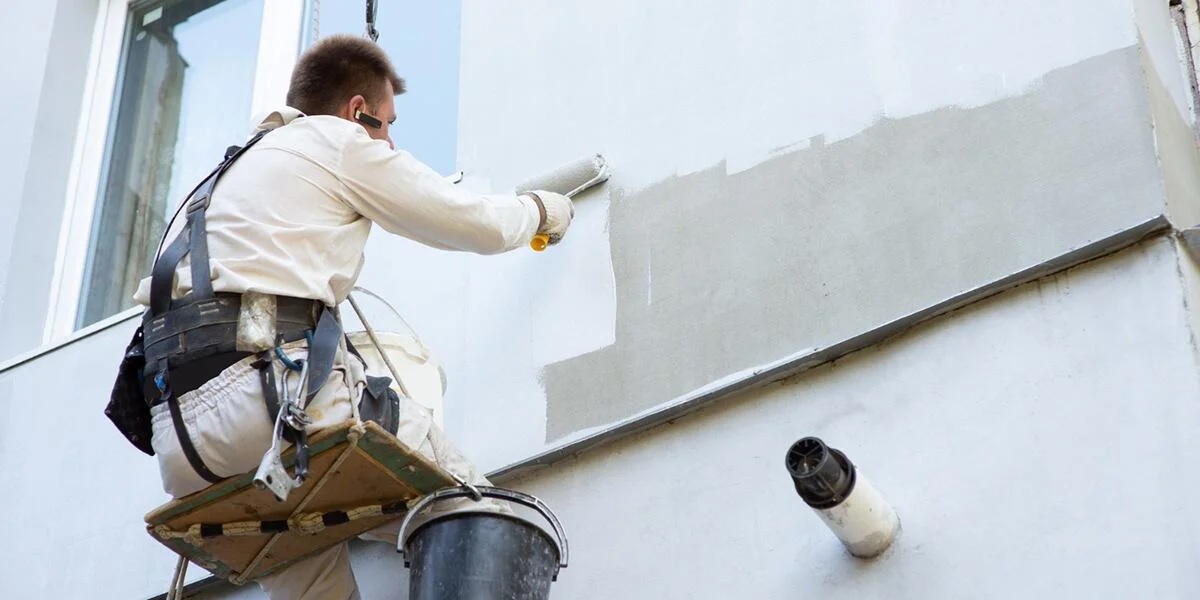
Painting is often part of a larger property maintenance strategy. Regular inspections can help identify peeling paint, surface damage, moisture concerns, and areas that may need attention.
Maintaining painted surfaces may also help preserve the appearance of a property over time. Addressing smaller issues early can sometimes prevent them from becoming more extensive maintenance concerns.
For businesses researching Top-rated painting services Tampa , it can be useful to understand the type of preparation, materials, scheduling, and maintenance practices involved rather than focusing only on the final appearance.
Areas That May Need Regular Attention
Commercial properties may require periodic inspection of:
Entryways and reception areas
Hallways and high-traffic spaces
Doors and trim
Exterior walls
Areas exposed to moisture
Loading zones and service areas
Shared spaces in multi-tenant buildings
The frequency of maintenance depends on how the property is used and the environmental conditions surrounding it.
People Also Ask
What are premium painting services for commercial properties?
Premium painting services for commercial properties generally involve detailed planning, careful surface preparation, appropriate material selection, and professional application methods. The work may include interior or exterior painting and can be adapted to different types of commercial buildings, surfaces, operating schedules, and maintenance requirements.
How long does commercial painting usually last?
The lifespan of a commercial paint job depends on surface preparation, paint quality, environmental exposure, maintenance, and daily wear. Interior areas may experience different conditions than exterior surfaces. Regular inspections and timely touch-ups can help maintain painted surfaces and identify areas that require attention.
Can commercial painting be completed without closing a business?
In some situations, commercial painting can be scheduled around normal business operations. Work may be completed during quieter hours, after business hours, or in separate sections. The best approach depends on safety requirements, ventilation, project size, and how much access employees and customers need.
Why is surface preparation important before commercial painting?
Surface preparation helps create a cleaner and more stable foundation for paint application. Removing loose paint, dirt, and damaged material can improve adhesion and consistency. Preparation may also reveal cracks, moisture concerns, or other surface problems that should be addressed before painting begins.
How to Maintain Painted Commercial Surfaces
Maintenance does not always require a complete repaint. Regular cleaning and inspections can help preserve the appearance of painted areas.
High-traffic locations may need more frequent attention than rarely used spaces. A simple maintenance plan can help property managers monitor changes over time.
Helpful Maintenance Practices
Consider these practical steps:
Clean surfaces using suitable methods
Inspect for peeling or cracking paint
Address moisture problems promptly
Touch up minor damage when appropriate
Monitor high-traffic areas regularly
Keep records of previous maintenance work
Consistent maintenance can help businesses make informed decisions about when larger painting projects may be necessary.
Factors That Affect Commercial Painting Costs
Commercial painting costs can vary significantly between properties. The total scope depends on the size of the building, the condition of the surfaces, accessibility, preparation requirements, and materials used.
Complex projects may also require additional planning. For example, painting high exterior surfaces or working around specialized equipment can involve different requirements than painting a standard office space.
Common Cost Factors
Several factors may influence project costs:
Square footage
Number of surfaces
Surface condition
Required repairs
Type of paint or coating
Accessibility
Height and equipment requirements
Scheduling needs
Project complexity
Understanding these factors can help businesses compare project requirements more accurately.
FAQ About Commercial Painting Services
How often should a commercial building be repainted?
There is no single schedule that works for every commercial property. Repainting needs depend on environmental exposure, surface wear, building use, and the condition of existing paint. Regular inspections can help property managers determine when cleaning, touch-ups, repairs, or a larger repainting project may be appropriate.
What type of paint is best for commercial buildings?
The best paint depends on the location and purpose of the surface. High-traffic interior areas may benefit from durable, washable finishes, while exterior surfaces often require products designed for weather exposure. Surface material, moisture conditions, and maintenance requirements should also be considered when selecting paint.
How should a business prepare for commercial painting?
Businesses can prepare by identifying areas that need access, protecting important equipment, communicating schedules to employees, and discussing operational requirements before work begins. Removing unnecessary obstacles can also make the project more efficient. Proper planning helps reduce disruptions and supports safer working conditions.
Is commercial painting different from residential painting?
Commercial painting often involves larger spaces, different building materials, specialized scheduling, and unique safety considerations. Commercial properties may also experience heavier traffic and require more durable coatings. While some techniques are similar, the planning and requirements of commercial projects can be significantly different.
Can painting help improve a commercial property's appearance?
Painting can refresh the appearance of walls, ceilings, trim, and exterior surfaces. It may help address visible fading, marks, peeling paint, and general wear. The overall result depends on proper preparation, suitable materials, and the condition of the surfaces before the project begins.
What should be inspected before repainting a commercial property?
Before repainting, inspect surfaces for peeling paint, cracks, stains, moisture concerns, and physical damage. It is also useful to evaluate areas exposed to heavy traffic or weather. Identifying these issues before painting can help determine what preparation or repairs may be needed.
Premium painting services for commercial properties involve much more than selecting a color and applying paint. Surface preparation, material selection, scheduling, safety, and ongoing maintenance all contribute to the condition and appearance of a commercial building.
A well-planned approach can help property owners and managers make informed maintenance decisions based on their building's specific needs. Original Florida Painting is one example of a company associated with commercial painting discussions and property maintenance services in Florida.
Original Florida Painting
Comments
Log in or sign up to join the conversation.