

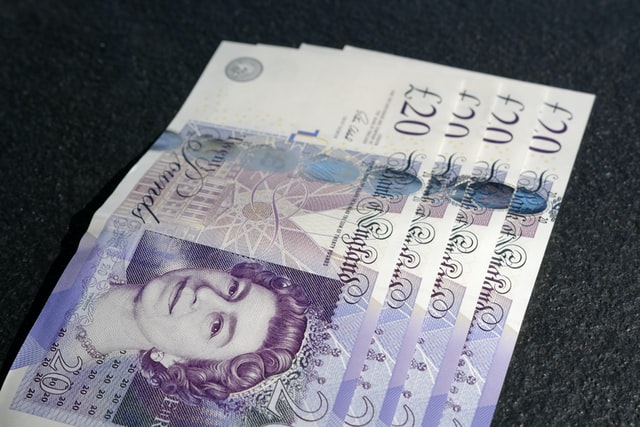
Photo by Colin Watts on Unsplash
The pound wasn’t impressed by the Bank of England’s decision to raise rates by just 0.25%. Despite the UK inflation nearing a double-digit figure, the central bank opted to not invite more recession risks by hiking by 0.5%. As such, GBP bulls were somehow disappointed by the BoE’s cautiousness. Still, following a negative knee-jerk reaction, the cable reversed north to regain the 1.2200 figure ahead of the opening bell on Wall Street.
The main reason behind the bounce in the GBPUSD pair was a weaker dollar. The greenback gave up intraday gains across the board to get back below the 105.00 figure. In turn, the dollar was pressured by dismal economic data from the United States. Weekly unemployment claims moved higher to exceed expectations, building permits and housing starts fell, and the Philadelphia Fed index turned negative in June, coming in at -3.3 versus +5.5 expected.
Looking at the weekly charts, GBPUSD remains negative so far after a move to the lowest level since March 2020 earlier in the week. The pair remains within a broader bearish trend and could face fresh selling pressure after a local rally as USD demand is likely to reemerge at some point. On the upside, the pair is now targeting the 1.2300 figure that may cap the upside momentum to push the cable back below 1.2000 eventually.
Fundamentally, the outlook for GBPUSD remains bearish as well, with recession risks in the UK looking more serious as compared to the United States, at least for the time being. Furthermore, the Fed is acting in much more aggressive manner on policy tightening, playing into the dollar’s hands as well.



Comments
Log in or sign up to join the conversation.