

Slower wage growth and higher fuel prices are putting pressure on households’ real disposable income. As a result, private consumption is losing momentum, and domestic price pressures remain subdued. At the same time, robust growth in fixed investment continues to support economic activity
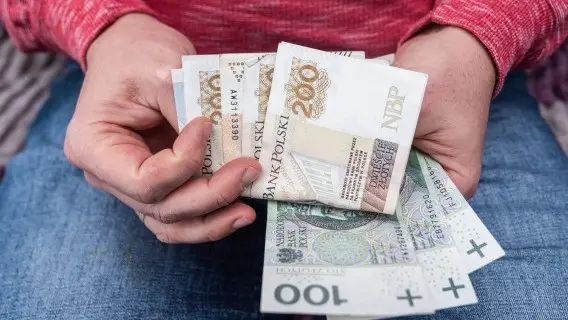
Wage growth in Poland moderated in August.
Wage growth moderated in August
Following a surprisingly strong increase in wages in July (6.8% YoY), when earnings were boosted by one-off payments in the energy and forestry sectors, wage growth moderated to 5.6% YoY in August. This confirms that wage pressure in the economy remains limited. At the same time, employment in the corporate sector declined by 0.8% YoY. Against the backdrop of higher inflation and slower nominal wage growth, real average wages in the enterprise sector increased by just 2.1% YoY.
With the downward trend in wage dynamics continuing and fuel prices pushing inflation higher, households’ real disposable incomes are coming under increasing pressure. Consequently, private consumption growth is slowing, while domestic demand-driven inflation remains benign. The main upside risk to inflation stems from the energy shock and its potential spillover into the prices of other goods and services.
Construction data points to ongoing investment growth
While consumption growth is losing momentum, fixed investment continues to expand at a robust pace. In August, construction output increased by 6.7% YoY, with civil engineering activity surging by 29% YoY as projects financed under the National Recovery Plan (NRP) gathered further momentum. Following the agreement on more flexible utilisation of NRP funds between Polish authorities and the European Commission (EC), fixed investment should remain buoyant in the second half of the year despite the August deadline for settling projects under the European Union’s Recovery and Resilience Facility.
Economic outlook remains solid
In the second half of 2026, the composition of economic growth is expected to shift more towards fixed investment, with private consumption playing a somewhat smaller role. Nevertheless, we continue to expect solid GDP growth of 3.4% this year and see some upside risks to this forecast. At the same time, we maintain a cautious stance given the uncertainty surrounding developments in the Middle East and the duration and magnitude of the current energy shock.


Comments
Log in or sign up to join the conversation.