

Introduction
The global Point-of-Sale (POS) market has evolved significantly over the last decade, transforming from a simple payment processing platform into a comprehensive business management ecosystem. Modern POS solutions have become indispensable tools for organizations across industries, enabling seamless payment processing while integrating inventory management, customer relationship management (CRM), workforce scheduling, sales analytics, and financial reporting into a unified platform. As businesses increasingly prioritize operational efficiency and enhanced customer experiences, POS technology continues to play a pivotal role in supporting digital transformation initiatives worldwide.
According to TechSci Research report, “Point-of-Sale Market Size – Global Industry Share, Trends, Competition Forecast & Opportunities, 2029”, the Global Point-of-Sale Market was valued at USD 13.78 billion in 2023 and is expected to grow at a CAGR of 12.87% during the forecast period.
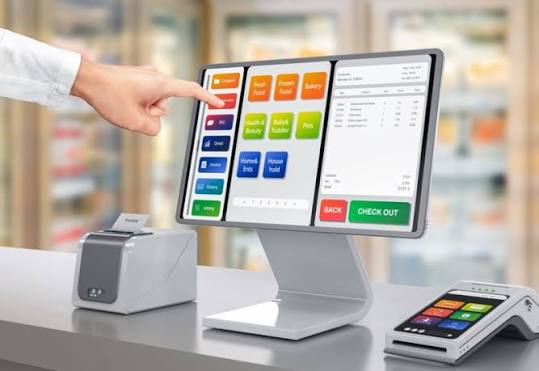
The transition from conventional cash registers to cloud-enabled and AI-powered POS systems represents one of the most significant technological shifts within the retail and service sectors. Businesses today require flexible, scalable, and data-driven platforms capable of handling diverse payment methods while providing actionable insights into customer purchasing behavior. These evolving requirements are encouraging enterprises of all sizes to replace legacy infrastructure with next-generation POS systems.
Rapid urbanization, expanding digital infrastructure, rising smartphone penetration, and favorable government initiatives promoting cashless economies are further accelerating market growth. Whether in restaurants, supermarkets, entertainment venues, healthcare facilities, hospitality businesses, or specialty retail stores, POS systems are becoming strategic assets that improve productivity, reduce operational complexity, and deliver superior customer engagement.
Request For Sample Copy of Report For More Detailed Market insight
Industry Key Highlights
Global Point-of-Sale Market valued at USD 13.78 Billion in 2023
Expected to grow at a CAGR of 12.87% through 2029
Increasing transition toward cloud-based POS platforms
Rising popularity of mobile Point-of-Sale (mPOS) systems
Growing adoption of contactless and digital payment technologies
AI and analytics transforming traditional POS operations
Entertainment sector emerged as the leading end-user segment
Asia-Pacific expected to record the fastest market growth
Small and medium-sized businesses increasingly investing in smart POS solutions
Omnichannel retail strategies driving POS innovation globally
Market Overview
The global POS market is undergoing remarkable transformation as organizations seek integrated platforms capable of managing both customer-facing transactions and backend business operations. Modern POS solutions are no longer confined to payment acceptance but now serve as centralized management systems that connect sales channels, inventory, customer databases, loyalty programs, employee management, accounting software, and marketing tools.
Businesses across industries increasingly recognize that a well-designed POS infrastructure contributes directly to improved customer satisfaction, better operational visibility, and higher profitability. Retailers can monitor inventory in real time, restaurants can optimize table management, entertainment venues can streamline ticketing operations, and healthcare facilities can simplify patient billing—all through advanced POS technologies.
Cloud computing has further revolutionized the market by making enterprise-grade POS capabilities accessible to businesses regardless of size. Unlike traditional systems requiring significant hardware investments and maintenance costs, cloud-based solutions offer subscription-based pricing, automatic software updates, remote accessibility, and seamless scalability.
Furthermore, changing consumer expectations continue reshaping the competitive landscape. Today's customers expect quick checkout experiences, multiple payment options, digital receipts, loyalty rewards, and personalized recommendations. Meeting these expectations requires businesses to deploy intelligent POS systems capable of delivering frictionless customer journeys.
As digital commerce expands globally, POS platforms are increasingly integrating with online stores, mobile applications, social commerce channels, and third-party marketplaces. This omnichannel capability enables businesses to synchronize inventory, pricing, promotions, and customer data across every sales channel.
Market Size and Growth Prospects
The impressive growth trajectory of the global POS market reflects broader digital transformation trends occurring across virtually every industry.
Businesses are investing heavily in automation technologies that improve operational efficiency while reducing manual intervention. POS platforms serve as the central hub connecting multiple business functions, making them one of the highest-priority technology investments for retailers, restaurants, hospitality providers, entertainment companies, and service organizations.
Increasing digital payment adoption is another major catalyst fueling demand. Consumers increasingly prefer debit cards, credit cards, QR code payments, mobile wallets, NFC-enabled devices, wearable payment technologies, and contactless transactions. Modern POS systems support all these payment methods simultaneously, allowing businesses to serve customers more efficiently.
Growing internet connectivity and smartphone penetration are also expanding market opportunities in emerging economies. Small retailers that once relied on manual bookkeeping can now deploy affordable cloud-based POS solutions using tablets or smartphones, significantly improving operational performance without substantial upfront investments.
Emerging Trends in the Global Point-of-Sale Market
Rise of Mobile Point-of-Sale (mPOS)
One of the most influential developments within the POS industry is the widespread adoption of mobile Point-of-Sale solutions. Businesses increasingly utilize smartphones and tablets as portable checkout terminals, allowing staff to complete transactions anywhere within a store or venue.
This mobility reduces customer waiting times, improves service quality, and enhances operational flexibility. Retail associates can check product availability, process returns, complete purchases, and access customer profiles without directing shoppers to traditional checkout counters.
Restaurants benefit similarly by enabling servers to accept payments directly at dining tables, improving customer convenience while accelerating table turnover.
Artificial Intelligence Integration
Artificial Intelligence is transforming POS platforms into intelligent business advisors.
Modern systems utilize AI algorithms to identify purchasing patterns, forecast demand, recommend inventory replenishment schedules, and personalize promotional campaigns. AI-powered dashboards also help businesses identify high-performing products, optimize staffing requirements, and predict seasonal demand fluctuations.
Machine learning enables POS systems to continuously improve forecasting accuracy based on historical transaction data, enabling businesses to make better operational decisions.
Cloud-Native POS Platforms
Cloud deployment continues reshaping the competitive landscape.
Unlike traditional on-premises software, cloud-native POS systems provide businesses with centralized control over multiple locations while enabling remote access to sales reports, employee performance, and inventory status.
Cloud infrastructure also simplifies software maintenance through automatic updates, cybersecurity enhancements, and scalable subscription models that reduce capital expenditure.
Omnichannel Commerce Integration
Modern consumers interact with brands across multiple channels before making purchases.
POS vendors increasingly integrate physical stores with e-commerce platforms, mobile applications, loyalty programs, and social commerce channels to deliver seamless omnichannel experiences.
Businesses can now synchronize pricing, inventory, promotions, customer accounts, and purchase histories across every touchpoint, creating consistent customer experiences regardless of where transactions occur.
Contactless Payments Becoming Standard
Contactless payment adoption has accelerated significantly worldwide.
Near Field Communication (NFC), QR codes, mobile wallets, wearable devices, and biometric authentication have become mainstream payment options across retail, hospitality, transportation, and entertainment sectors.
POS manufacturers continue incorporating faster payment processing technologies that reduce transaction times while improving payment security.
Subscription-Based POS Solutions
Subscription pricing models are making enterprise-level POS capabilities affordable for smaller organizations.
Rather than investing heavily in hardware and software licenses, businesses increasingly prefer monthly subscription plans that include software updates, customer support, cloud hosting, analytics, and security enhancements.
This approach lowers financial barriers for startups and SMEs while ensuring continuous access to the latest technological innovations.
Major Market Drivers
Growing Digital Payment Ecosystem
Governments, financial institutions, fintech companies, and payment providers continue promoting digital transactions.
Consumers increasingly prefer electronic payment methods because they offer greater convenience, faster processing, and enhanced security compared to cash.
This ongoing transition toward cashless economies is creating substantial demand for advanced POS infrastructure capable of supporting multiple payment methods simultaneously.
Expansion of Organized Retail
The rapid growth of supermarkets, shopping malls, convenience stores, specialty retailers, and franchise chains is driving significant POS investments.
Large retail networks require centralized transaction management, inventory synchronization, customer loyalty programs, and real-time reporting—all functions efficiently delivered through advanced POS platforms.
Retail modernization initiatives across developing economies continue creating long-term market opportunities.
Increasing Adoption by Small and Medium Enterprises
Cloud-based POS systems have democratized access to sophisticated business technologies.
Small businesses now utilize POS platforms to automate inventory management, customer engagement, accounting, employee scheduling, and sales reporting without requiring dedicated IT infrastructure.
The affordability and scalability of subscription-based solutions continue expanding adoption among SMEs globally.
Demand for Better Customer Experience
Customer expectations continue rising across industries.
Businesses increasingly invest in POS technologies that reduce checkout times, personalize shopping experiences, provide loyalty rewards, enable digital receipts, and support flexible payment options.
Superior customer experiences translate into improved customer retention, stronger brand loyalty, and increased revenue generation.
Need for Real-Time Business Intelligence
Organizations increasingly rely on data-driven decision-making.
Modern POS systems generate valuable insights regarding sales performance, inventory turnover, employee productivity, customer demographics, purchasing behavior, and promotional effectiveness.
Real-time dashboards enable business leaders to identify growth opportunities while responding quickly to changing market conditions.
Growing Integration with Business Software
Today's POS platforms integrate seamlessly with accounting software, CRM platforms, ERP systems, payroll applications, marketing automation tools, inventory management solutions, and e-commerce websites.
This interconnected ecosystem eliminates duplicate data entry, improves operational accuracy, and enhances organizational productivity.
Regional Analysis
North America
North America continues to represent a mature and technologically advanced POS market. Strong digital infrastructure, widespread adoption of cashless payments, and continuous investment in retail innovation contribute to sustained demand. Businesses across the region increasingly deploy AI-enabled and cloud-based POS platforms to improve customer engagement and operational efficiency.
Europe
European businesses are rapidly embracing integrated POS systems that support omnichannel retailing, digital wallets, and advanced customer analytics. The region's emphasis on payment security, regulatory compliance, and digital commerce continues driving modernization across retail, hospitality, and service industries.
Asia-Pacific – Fastest Growing Region
Asia-Pacific is projected to be the fastest-growing regional market during the forecast period. Rapid urbanization, increasing internet penetration, expanding smartphone usage, and accelerating digital payment adoption are creating favorable conditions for POS market expansion.
The region's thriving retail industry, growing middle-class population, and increasing consumer preference for cashless transactions are encouraging businesses to modernize their payment infrastructure. Governments across several countries are also promoting financial inclusion and digital payment ecosystems, further supporting technology adoption.
Small and medium-sized enterprises are embracing affordable cloud-based POS platforms to improve inventory management, customer relationship management, and operational efficiency. The rapid expansion of e-commerce and omnichannel retailing is additionally encouraging businesses to integrate online and offline sales channels.
As investments in digital infrastructure continue increasing, Asia-Pacific is expected to remain one of the most attractive growth markets for POS vendors.
South America
South America is witnessing gradual modernization of payment systems as retailers increasingly adopt digital payment technologies and cloud-based POS platforms. Expanding internet access and fintech innovation are creating new growth opportunities across the region.
Middle East & Africa
The Middle East and Africa are experiencing increasing demand for advanced POS solutions as governments encourage digital transformation and cashless economies. Retail expansion, tourism growth, and investments in smart city initiatives are supporting broader adoption across multiple industries.
Competitive Landscape
The global Point-of-Sale market remains highly competitive, with established technology providers and emerging innovators continuously investing in product development, cloud infrastructure, cybersecurity, Artificial Intelligence, and strategic partnerships. Companies are increasingly focusing on delivering scalable, industry-specific solutions that address the evolving needs of retailers, restaurants, entertainment providers, and service businesses.
Major participants emphasize innovation in mobile POS technologies, omnichannel integration, predictive analytics, subscription-based software models, and enhanced payment security to strengthen their competitive positioning. Strategic mergers, acquisitions, collaborations, and investments in research and development continue shaping the competitive dynamics of the market.
Competitive Analysis
Leading companies operating in the global Point-of-Sale market include:
Toshiba Corporation
Hewlett Packard Enterprise Company
Idealpos Solutions Pty Ltd
Intel Corporation
Microsoft Corporation
NCR Voyix Corporation
Panasonic Holdings Corporation
Revel Systems Inc.
Toast Inc.
Customers can also request 10% free customization in this report.
Future Outlook
The future of the global Point-of-Sale market appears highly promising as digital commerce continues reshaping business operations worldwide. Cloud computing, Artificial Intelligence, machine learning, Internet of Things (IoT), blockchain technologies, and advanced analytics will continue driving innovation across POS platforms.
Businesses are expected to increasingly adopt unified commerce strategies that integrate physical stores, online channels, mobile applications, and social commerce into a single ecosystem. This transformation will require intelligent POS solutions capable of delivering real-time visibility across every customer interaction.
Contactless payments, biometric authentication, voice-enabled commerce, self-service checkout, autonomous retail stores, and predictive analytics are expected to become increasingly common. Businesses will continue investing in secure, scalable, and data-driven POS systems to improve efficiency, strengthen customer loyalty, and support long-term digital transformation initiatives.
As organizations place greater emphasis on personalization and operational intelligence, next-generation POS platforms will evolve into strategic decision-support systems rather than simple payment terminals.
10 Benefits of the Research Report
Provides comprehensive analysis of current market dynamics.
Offers detailed market size estimates and future growth forecasts.
Identifies emerging technology trends influencing industry development.
Evaluates key growth drivers, opportunities, and restraints.
Delivers detailed segmentation across components, deployment models, operating systems, end users, and regions.
Assesses competitive positioning of leading market participants.
Supports strategic investment and expansion decisions.
Helps organizations understand evolving customer preferences and purchasing behavior.
Enables benchmarking against industry leaders and competitors.
Assists stakeholders in developing informed long-term business strategies.
Key Highlights
Strong global market growth supported by digital transformation initiatives.
Increasing adoption of cloud-based and mobile POS solutions.
Rising demand for omnichannel retail capabilities.
Growing popularity of contactless and digital payment methods.
Artificial Intelligence enhancing operational intelligence and customer engagement.
Entertainment segment leading end-user adoption.
Asia-Pacific emerging as the fastest-growing regional market.
SMEs increasingly investing in affordable cloud-based POS systems.
Integration with CRM, ERP, and e-commerce platforms becoming standard.
Continuous innovation expected to sustain long-term market expansion.
Main Drivers & Trends
Expansion of digital payment ecosystems.
Rising smartphone and internet penetration.
Increasing cloud adoption across enterprises.
Growth of omnichannel retail strategies.
Artificial Intelligence integration into POS platforms.
Expansion of mobile Point-of-Sale solutions.
Demand for real-time business intelligence.
Greater focus on customer personalization.
Enhanced cybersecurity investments.
Subscription-based software adoption.
Real-World Use Cases
Retail stores using AI-enabled POS systems for personalized promotions.
Restaurants integrating POS with online ordering and delivery platforms.
Entertainment venues managing ticketing, concessions, and merchandise through unified POS systems.
Hotels streamlining guest billing and service management.
Healthcare providers simplifying patient payments and appointment billing.
Supermarkets implementing self-checkout kiosks to reduce queues.
Convenience stores adopting cloud POS for centralized inventory management.
Multi-location businesses monitoring sales performance remotely through cloud dashboards.
Contact US:
Techsci Research LLC
420 Lexington Avenue, Suite 300,
New York, United States- 10170
Tel: +13322586602
Email: [email protected]
Web: https://www.techsciresearch.com/
Frequently Asked Questions (FAQs)
1. What is driving the growth of the Global Point-of-Sale Market?
The Global Point-of-Sale (POS) Market is primarily driven by the increasing adoption of digital payment solutions, rapid expansion of cloud-based POS systems, rising demand for contactless and mobile payments, and the growing need for efficient inventory and customer management. Businesses across retail, hospitality, entertainment, and other industries are investing in advanced POS solutions to enhance operational efficiency and deliver superior customer experiences.
2. Which end-user segment dominates the Global Point-of-Sale Market?
The entertainment segment held the largest market share in 2023. Entertainment venues such as cinemas, amusement parks, gaming centers, sports arenas, and concert halls increasingly rely on advanced POS systems to manage ticketing, concessions, merchandise sales, and customer engagement while ensuring fast, secure, and seamless payment processing.
3. Why is Asia-Pacific considered the fastest-growing region in the Point-of-Sale Market?
Asia-Pacific is the fastest-growing regional market due to rapid digital transformation, increasing smartphone and internet penetration, expanding retail and e-commerce sectors, and rising adoption of cashless payment methods. Government initiatives promoting financial inclusion and digital payment infrastructure, along with the growing number of small and medium-sized enterprises (SMEs), are further accelerating POS adoption across the region.
4. What are the emerging trends shaping the future of the Global Point-of-Sale Market?
Key emerging trends include the adoption of mobile Point-of-Sale (mPOS) solutions, cloud-based deployment, Artificial Intelligence (AI)-powered analytics, omnichannel retail integration, contactless payment technologies, self-service checkout systems, and advanced cybersecurity features. These innovations are helping businesses improve customer experiences, optimize operations, and make data-driven decisions while supporting long-term digital transformation.
Comments
Log in or sign up to join the conversation.