

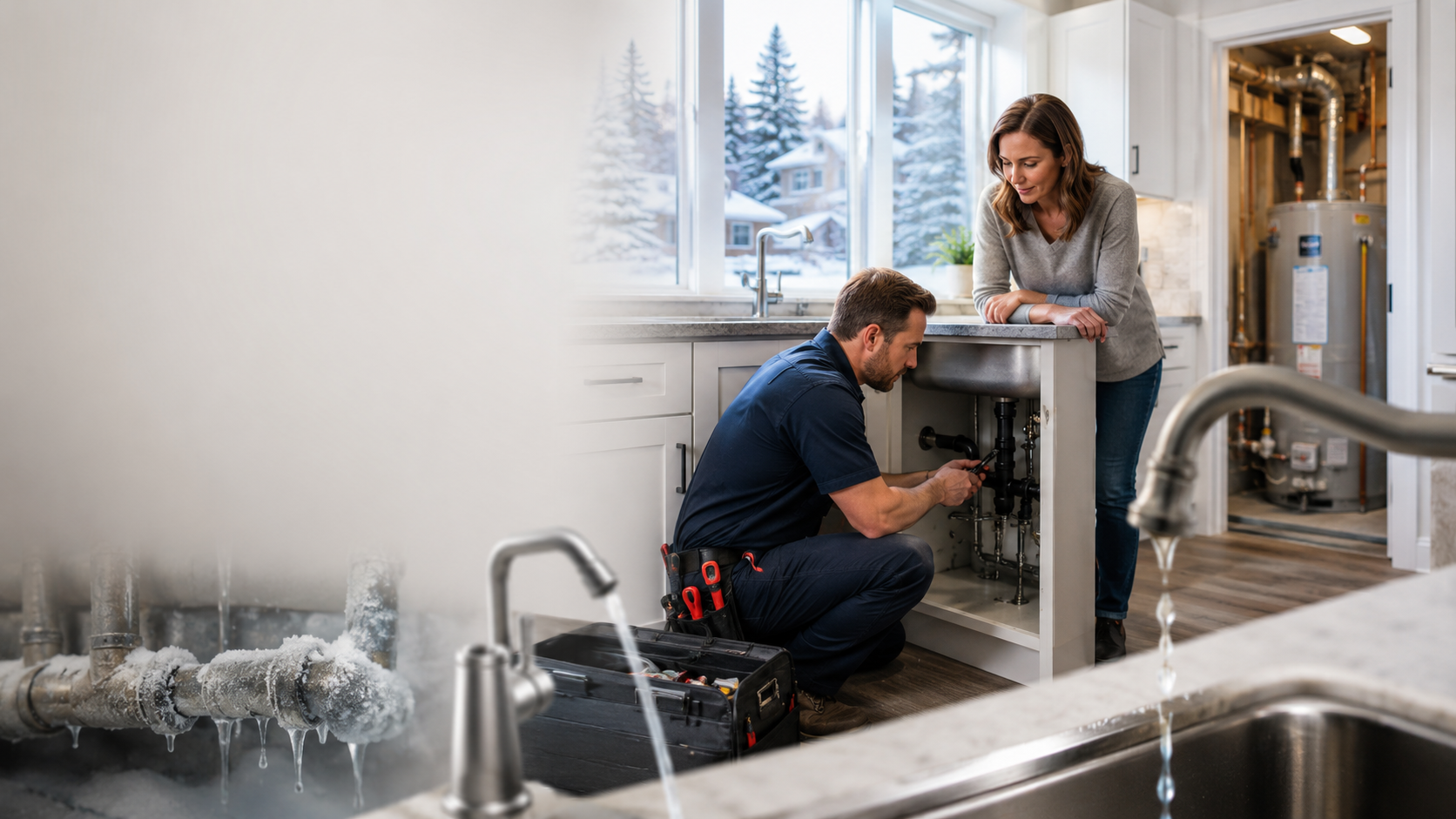
Plumbing problems have a habit of showing up at the worst possible time a burst pipe on a January morning, a clogged drain the night before company arrives, a water heater that stops working mid-winter. For Edmonton homeowners, the combination of aging infrastructure and extreme seasonal temperatures makes plumbing maintenance especially important. Knowing when to call a plumber Edmonton residents can trust could save you from a much bigger headache down the road.
Common Plumbing Problems in Edmonton Homes
Most plumbing issues start small and quietly get worse. These are the ones Edmonton homeowners encounter most often:
Leaky faucets — Wastes thousands of litres yearly and wears out valves over time.
Clogged drains — Hair, grease, and debris build up and can lead to backups.
Running toilets — Often a worn flapper; adds significantly to water bills.
Low water pressure — Signals mineral buildup, leaks, or supply line issues.
Frozen pipes — Edmonton winters regularly push pipes to their limit.
Water heater issues — Sediment, age, or faulty elements reduce efficiency and hot water supply.
Left alone, these problems don’t resolve themselves. A dripping faucet becomes a corroded valve. A slow drain becomes a full blockage. Addressing issues early is almost always cheaper and less disruptive than waiting.
Why Professional Plumbing Services Edmonton Homeowners Need Matter
A licensed technician brings more than a wrench. Professional plumbing services Edmonton residents rely on offer accurate diagnosis, identifying the root cause rather than just patching the symptom. Professionals carry the right equipment for the job, from drain cameras to pressure testing tools that aren’t available at a hardware store.
Equally important is code compliance. Plumbing work in Alberta must meet specific standards. Improper repairs can void home insurance, complicate future property sales, or create safety hazards. A professional ensures the work is done right the first time.
Benefits of Hiring a Licensed Plumber Edmonton Residents Trust
In Alberta, plumbers are required to hold a valid journeyman or master plumber certificate. Hiring a licensed plumber Edmonton homeowners can verify means you’re protected: the work is insured, meets local building codes, and comes with accountability if something goes wrong.
Unlicensed work might seem like a cost-saving shortcut, but it creates real liability. If an unpermitted repair causes water damage, your insurance provider may deny the claim. Proper certification isn’t a formality, it’s protection for your home and your finances.
When to Call an Emergency Plumber Edmonton Homeowners Can Rely On
Some situations can’t wait until morning. Contact an emergency Plumber Edmonton residents depend on immediately if you’re dealing with:
A burst or actively leaking pipe
Sewer backup or sewage odour inside the home
Flooding from any source
No hot water during a cold snap
A gas line issue near plumbing fixtures
Note: Edmonton temperatures can drop below −30°C. If you suspect a frozen pipe, shut off the main water supply immediately and call a licensed plumber before attempting to thaw it yourself thermal shock can cause the pipe to crack.
Tips to Prevent Plumbing Problems
A few consistent habits go a long way toward avoiding costly repairs:
Schedule a professional inspection every one to two years, especially in older homes.
Keep grease, coffee grounds, and food scraps out of drains.
Insulate exposed pipes in unheated spaces before winter.
Know where your main shutoff valve is and test it annually.
Don’t ignore a slow drain or a small leak, address it before it worsens.
Monitor your water bill; an unexplained spike often signals a hidden leak.
Plumbing and home appliances are more connected than most homeowners realise. A leaking water line behind the fridge or a loose dishwasher connection can quietly cause water damage for weeks before you notice. If you want a broader look at how to approach appliance issues the same way you would plumbing, finding trustworthy local help before things get urgent, our guide on finding reliable appliance repair in Edmonton covers exactly that.
Edmonton homes face real plumbing challenges year-round, from freeze-thaw cycles to aging supply lines in established neighbourhoods. The most practical thing any homeowner can do is build a relationship with a reliable plumber Edmonton professionals recommend, and address problems before they grow. When you find a technician you trust, keep their information somewhere accessible. Platforms like MyProBook make it easy to save and manage your trusted local service providers, so you’re never searching from scratch when an urgent issue comes up.
Frequently Asked Questions
What does a plumber in Edmonton typically charge?
Most Edmonton plumbers charge between $100 and $200 per hour, with a service call fee on top. Simple repairs like fixing a running toilet or replacing a faucet typically run $150–$300. Larger jobs, water heater replacements, drain line repairs, will cost more. Always ask for a written estimate before work begins.
How do I know if I need a licensed plumber?
In Alberta, any work that involves altering, extending, or repairing water supply or drainage systems requires a licensed plumber. This includes replacing a water heater, moving a drain, or installing new fixtures. Cosmetic tasks like changing a showerhead are typically fine without a licence, but when in doubt, ask a professional.
What qualifies as a plumbing emergency?
Burst pipes, active flooding, sewer backups, complete loss of hot water in winter, and gas-related concerns near plumbing all qualify as emergencies. If water is actively damaging your home or there is a health risk involved, don’t wait, call an emergency plumber right away.
Can frozen pipes burst during Edmonton winters?
Yes. When water freezes inside a pipe, it expands and can crack or split the pipe wall. Edmonton’s winters regularly produce temperatures cold enough to freeze pipes in uninsulated exterior walls, crawl spaces, and garages. Proper insulation and knowing your shutoff valve location are your best defences.
How often should plumbing systems be inspected?
For most Edmonton homes, a professional inspection every one to two years is a reasonable baseline. Older homes, particularly those built before the 1980s with original galvanized or cast iron pipes, benefit from annual checks. If you’ve recently purchased a home, a plumbing inspection is worth scheduling before your first winter.
What are the most common residential plumbing problems?
Leaky faucets, clogged drains, running toilets, low water pressure, frozen pipes, and water heater failures are the most frequently reported issues in Edmonton homes. Most start as minor inconveniences and become significant repairs if ignored. Early attention and regular maintenance are the most effective ways to keep costs down.
Comments
Log in or sign up to join the conversation.