

Plastic waste remains one of the most pressing environmental challenges facing the country, with millions of tonnes generated each year across households, businesses, and industry. Effective plastic recycling in Australia relies on a combination of proper sorting, specialised equipment, and processing techniques that transform discarded plastic into reusable materials rather than letting it end up in landfill or waterways. As awareness around plastic pollution grows, understanding how the recycling process actually works, from collection through to final output, helps clarify why investment in the right equipment and systems matters so much.
Common Types of Plastic That Can Be Recycled
Not all plastics are created equal when it comes to recyclability, and understanding the different types helps explain why sorting is such a critical step in the process.
PET (Polyethylene Terephthalate)
Commonly used in beverage bottles and food containers, PET is widely recyclable and can be repurposed into products like carpets, furniture, and clothing fibres.
HDPE (High-Density Polyethylene)
Known for its durability and heat resistance up to 120°C, HDPE is often turned into containers, plastic lumber, fencing, and outdoor furniture.
LDPE (Low-Density Polyethylene)
Found in bags, wraps, and flexible packaging, LDPE is thinner and cheaper to produce but generally more difficult to recycle compared to other plastic types.
PP (Polypropylene)
Valued for heat resistance and durability, PP is commonly found in containers and car parts, and once recycled, it's often reused in similar applications.
The Equipment Behind the Recycling Process
Turning collected plastic into usable material involves several distinct stages, each requiring specific machinery.
Shredders
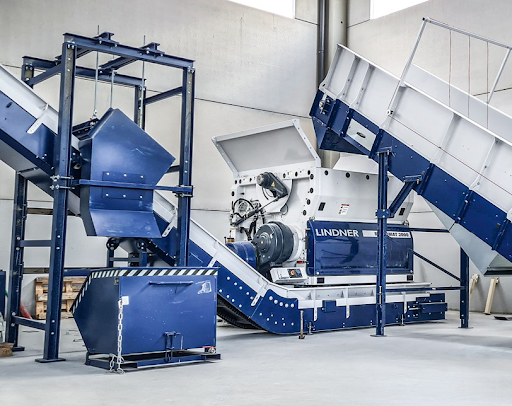
Shredders reduce large plastic items into smaller, more manageable pieces, making it easier to screen and sort materials before further processing.
Granulators
Granulators refine shredded plastic into smaller, uniform grains, preparing the material for extrusion and ensuring consistency in the final product.
Wash Lines
Wash lines remove contaminants such as dirt and labels from plastic flakes, an essential step in ensuring the recycled material meets quality standards.
Extruders and Palletisers
Extruders melt plastic granules and shape them into new forms like pellets or sheets, while palletisers cut the melted plastic into uniform pellets that are easier to handle and reuse in manufacturing.
Sorting Systems
Sorting systems separate different plastic types using methods like screening and optical sorting, which improves overall recycling efficiency and helps maintain consistent quality across batches.
Why Proper Sorting and Processing Matters
The effectiveness of plastic recycling in Australia depends heavily on how well materials are sorted before processing begins. Mixed or contaminated plastic batches can significantly reduce the quality of recycled output, making sorting systems and wash lines just as important as the shredding and extrusion stages themselves. Businesses handling large volumes of plastic waste benefit from equipment that can efficiently separate materials by type, as this directly impacts the value and usability of the final recycled product.
Setting Up a Plastic Recycling Operation
Establishing an efficient recycling process typically starts with an initial consultation to understand specific project needs, followed by process flow planning and layout development tailored to the business's requirements. From there, a design phase considers equipment selection, budget, and operational goals before implementation begins. Ongoing support, including maintenance and access to replacement parts, plays an important role in keeping recycling equipment running efficiently long after installation.
The Broader Impact of Industrial Recycling
Beyond individual businesses, the broader push toward industrial plastic waste recycling reflects a growing recognition that landfill diversion and material recovery are essential to reducing environmental harm. Properly processed plastic waste can be reintroduced into manufacturing supply chains, reducing the need for virgin materials and lowering the overall environmental footprint of production across multiple industries.
Conclusion
As plastic pollution continues to challenge ecosystems and communities across the country, understanding the equipment and processes behind effective recycling becomes increasingly important for businesses and industries alike. OGTEC has been supplying waste and recycling equipment since 2015, offering solutions across sorting, washing, and processing to support cleaner, more sustainable outcomes for plastic waste management.
Comments
Log in or sign up to join the conversation.