

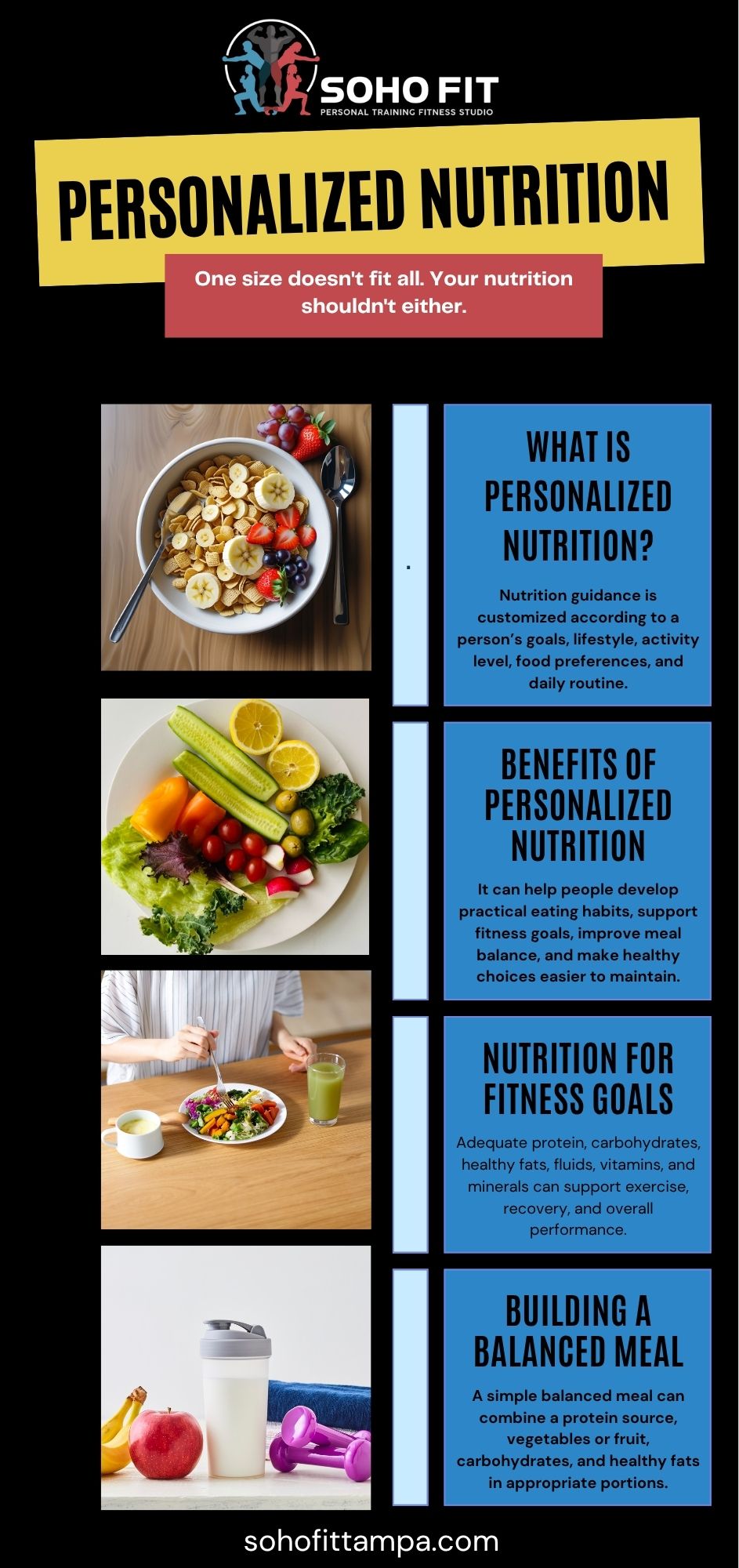
Food affects energy, recovery, concentration, and overall well-being, but there is no single eating plan that works equally well for everyone. Personalized nutrition Tampa focuses on adapting food choices and eating habits to an individual's goals, lifestyle, preferences, and nutritional needs.
Instead of following a generic diet, personalized nutrition considers factors such as activity level, meal patterns, food preferences, schedule, and health objectives. This approach can make nutrition easier to understand and more practical to follow.
What Is Personalized Nutrition?
Personalized nutrition is an approach that creates nutrition guidance around an individual's specific circumstances. Rather than prescribing exactly the same foods or portions to everyone, it considers differences in lifestyle, goals, eating habits, and nutritional requirements.
For example, a person training several times a week may have different energy and protein needs from someone who spends most of the day sitting. Similarly, someone with a busy work schedule may need a different meal strategy from someone who has more time to prepare food.
Key Factors Considered
A personalized nutrition approach may consider:
Fitness and activity levels
Personal nutrition goals
Typical meal schedule
Food preferences
Cooking habits
Dietary restrictions
Energy requirements
Hydration habits
Sleep and recovery patterns
Current eating behaviors
The goal is to develop practical habits that can fit into everyday life rather than relying on short-term restrictions.
Why Does Individualized Nutrition Matter?
People have different nutritional needs because their lifestyles and goals vary. A meal plan designed for an endurance athlete, for example, may not be appropriate for someone whose main goal is general wellness.
Individualized guidance can also make nutrition easier to understand. Instead of focusing only on calories or eliminating specific foods, it can teach people how different foods contribute to balanced meals.
Common Goals of Personalized Nutrition
Nutrition planning can support a variety of goals. The approach should be adjusted according to the individual's circumstances rather than relying on one standard formula.
Weight Management
Weight management generally involves looking at overall eating patterns, activity, portion sizes, and energy balance. A personalized plan can help someone identify realistic changes without relying on extreme restriction.
Small adjustments, such as improving meal composition or reducing frequent highly processed snacks, may be easier to maintain than drastic dietary changes.
Building Strength and Supporting Exercise
People who participate in resistance training or other regular exercise may need adequate energy and protein to support training and recovery.
Meal timing, hydration, carbohydrates, protein, and overall calorie intake can all be relevant. The appropriate balance depends on the individual's training frequency and goals.
Improving Everyday Energy
Energy levels can be influenced by many factors, including sleep, hydration, meal composition, physical activity, and overall food intake.
A consistent eating pattern containing a combination of carbohydrates, protein, healthy fats, and nutrient-rich foods can help provide a balanced source of energy throughout the day.
How Does a Personalized Nutrition Plan Work?

A personalized plan usually begins by understanding the person's current habits and goals. This may involve discussing meal patterns, activity, food preferences, schedule, and challenges.
The next step is identifying practical areas for improvement. Rather than changing everything at once, a person may focus on a few manageable habits and adjust them as needed.
Assessment and Goal Setting
An initial assessment may explore questions such as:
What does a typical day of eating look like?
How frequently does the person exercise?
What are the main nutrition goals?
Which foods are preferred or avoided?
What makes healthy eating difficult?
How much time is available for meal preparation?
Clear goals make nutrition planning more measurable. For example, "eat healthier" is broad, while "include a protein source at lunch each day" is more specific and actionable.
Creating Practical Meal Strategies
Personalized nutrition does not necessarily mean preparing complicated meals. Simple combinations can provide balanced nutrition while saving time.
A basic meal might include a protein source, vegetables or fruit, a carbohydrate source, and a source of healthy fat. Portion sizes and food choices can then be adjusted according to individual requirements.
Personalized Nutrition vs. Generic Diet Plans
Generic diets can provide basic guidance, but they may not account for differences in schedules, preferences, activity levels, or nutritional needs.
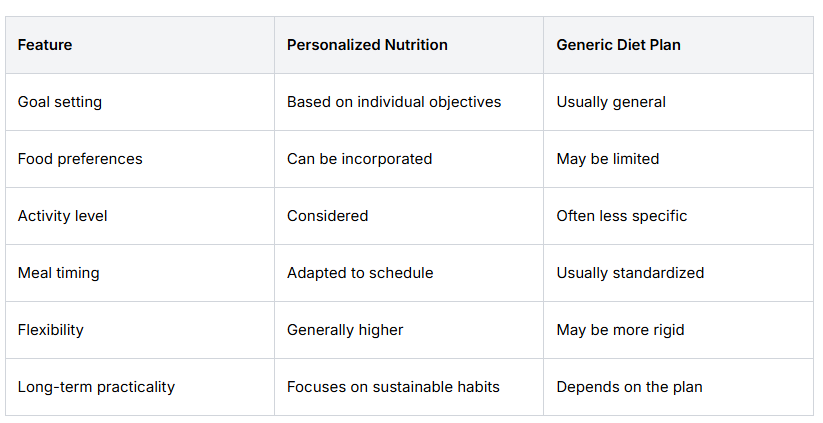
Neither approach is automatically appropriate for everyone. The most useful strategy is one that provides nutritionally sound guidance while remaining realistic for the individual.
Nutrition and Employee Wellness
Workplace nutrition can influence how employees approach meals during busy working days. Education around balanced meals, hydration, portion awareness, and practical food choices can be incorporated into broader wellness initiatives.
An Employee health program in South Tampa may include nutrition education alongside physical activity, stress management, and other workplace wellness resources. The specific structure depends on the organization's goals and employee needs.
Practical Workplace Nutrition Ideas
Employers and employees can encourage healthier habits through simple strategies:
Keep nutritious snacks accessible.
Encourage regular hydration.
Provide basic nutrition education.
Allow reasonable meal breaks.
Encourage balanced lunch choices.
Support realistic wellness goals.
Avoid promoting extreme diets.
Workplace wellness should focus on education and accessibility rather than creating pressure around body size or food choices.
How to Build a Balanced Meal

A balanced meal does not need to be complicated. A useful starting point is to combine several food groups in reasonable portions.
Include Protein
Protein is found in foods such as eggs, poultry, fish, dairy products, beans, lentils, tofu, nuts, and seeds. It contributes to muscle maintenance and many other functions in the body.
The amount needed varies according to factors such as age, body size, activity level, and individual goals.
Add Fruits and Vegetables
Fruits and vegetables provide vitamins, minerals, fiber, and other beneficial plant compounds. Including different colors and varieties throughout the week can help increase dietary variety.
Fresh, frozen, and appropriately prepared canned options can all contribute to a nutritious eating pattern.
Choose Appropriate Carbohydrates and Fats
Carbohydrates provide energy and are found in foods such as oats, rice, potatoes, whole grains, fruits, and legumes. Healthy fat sources can include avocados, nuts, seeds, and certain plant oils.
The appropriate amounts depend on total energy needs and personal goals.
People Also Ask
What is personalized nutrition?
Personalized nutrition is an approach to eating that considers an individual's goals, lifestyle, activity level, food preferences, and nutritional needs. Instead of applying one diet to everyone, it creates practical recommendations around the person's circumstances. The aim is to make healthy eating more relevant, understandable, and sustainable.
Is personalized nutrition better than a regular diet?
Personalized nutrition can be more practical because it accounts for individual differences that generic diets may overlook. However, the quality of the nutrition guidance matters. A personalized plan should still be based on sound nutritional principles and realistic goals rather than unnecessary restrictions or unsupported food rules.
Can personalized nutrition help with fitness goals?
Nutrition can support fitness goals by providing appropriate energy, protein, carbohydrates, fluids, vitamins, and minerals. The specific approach depends on the type and frequency of exercise and the desired outcome. Someone focused on strength development may have different nutritional priorities from someone training primarily for endurance.
How do I start personalized nutrition?
Start by identifying your primary goal and reviewing your current eating habits. Consider meal timing, food preferences, activity level, hydration, and challenges that make healthy eating difficult. From there, make a few practical changes rather than attempting a complete dietary overhaul at once.
FAQ About Personalized Nutrition
Does personalized nutrition require a strict meal plan?
No. Personalized nutrition does not necessarily require eating the same meals every day. A flexible approach can provide general meal structure, food choices, portion guidance, and practical alternatives. This can make it easier to adapt eating habits to changing schedules, social events, travel, and personal preferences.
Can I eat my favorite foods while following a nutrition plan?
In many cases, favorite foods can be included as part of a balanced eating pattern. Nutrition is influenced by overall dietary habits rather than a single meal or food. A flexible plan can help people understand portions and frequency while still allowing room for foods they enjoy.
How important is hydration?
Hydration is an important part of overall nutrition and physical performance. Fluid needs vary according to factors such as body size, activity, temperature, and individual circumstances. Water is a common choice, while people who exercise heavily or sweat significantly may have additional considerations.
Should nutrition change with exercise?
Nutrition may need to change when exercise levels increase because the body may require additional energy and nutrients. The amount and timing depend on the type, duration, and intensity of exercise. A person's nutrition goals should also be considered when adjusting food intake around training.
Can personalized nutrition support busy schedules?
Yes. A practical nutrition strategy can be designed around limited cooking time and unpredictable schedules. Examples include preparing ingredients ahead of time, keeping convenient nutritious foods available, and creating several simple meal combinations. The objective is to make balanced choices easier when time is limited.
Is personalized nutrition appropriate for everyone?
Most people can benefit from learning about balanced eating habits, but specific medical or dietary needs may require professional guidance. People managing medical conditions, allergies, eating disorders, or other complex nutritional concerns should work with an appropriately qualified healthcare professional or registered dietitian.
Tips for Making Nutrition Habits Sustainable
Long-term nutrition habits are usually easier to maintain when changes are realistic. Trying to completely change eating habits overnight can create unnecessary frustration.
Instead, focus on repeatable behaviors that fit your routine.
Start With Small Changes
Choose one or two areas to improve first. For example, you could increase vegetable intake, drink more water, improve breakfast quality, or prepare meals in advance.
Once these habits become easier, additional changes can be introduced gradually.
Focus on Overall Patterns
One meal does not determine the quality of an entire diet. Looking at eating patterns over days and weeks provides a more useful perspective.
A balanced approach can include nutritious foods most of the time while still allowing flexibility for celebrations, restaurants, and favorite foods.
Personalized nutrition Tampa can provide a practical framework for understanding how food choices relate to individual goals, activity, schedules, and preferences. Instead of following a one-size-fits-all diet, people can focus on balanced meals and sustainable habits that fit everyday life.
Soho Fit Tampa
Comments
Log in or sign up to join the conversation.