

Introduction
Luxury wool textiles have long been admired for their elegance, warmth, and timeless appeal. Among the finest natural fibers, Pashmina and Cashmere are often mentioned together because they share similar origins and characteristics. However, these two materials are not identical. Understanding the differences between them helps buyers appreciate the craftsmanship, rarity, and quality associated with authentic handmade products.
The growing popularity of Genuine Pashmina has increased awareness about traditional weaving techniques, premium fibers, and authentic craftsmanship. While both fabrics offer exceptional softness and warmth, their origin, fiber quality, manufacturing process, and finishing techniques distinguish them from one another.
Pashmina Vogue emphasizes preserving the heritage of authentic Pashmina by promoting carefully crafted products that reflect traditional artistry and premium quality.
What is Pashmina?
Pashmina is an exceptionally fine natural fiber obtained from the undercoat of Changthangi goats that inhabit the high-altitude Himalayan region. The extreme climatic conditions in these mountainous areas enable the goats to develop an ultra-soft undercoat that provides remarkable insulation against severe cold.
The fiber is carefully collected during the natural molting season rather than through mechanical shearing. After collection, the wool undergoes meticulous cleaning, sorting, spinning, weaving, and finishing. Traditional artisans often perform these processes by hand, preserving centuries-old craftsmanship that contributes to the exclusivity of authentic Pashmina products.
Its extraordinary softness, lightweight texture, breathability, and luxurious appearance have made Pashmina one of the most valued natural fibers in the textile industry.
What is Cashmere?
Cashmere is also derived from the soft undercoat of cashmere goats raised in different regions around the world. Although Cashmere belongs to the same family of luxury fibers, it is generally produced on a much larger commercial scale.
Modern manufacturing techniques frequently involve machine processing to increase production efficiency and maintain consistent quality. Cashmere garments are widely available in various styles, colors, and designs, making them accessible to a broader consumer market.
Depending on the origin of the fiber and manufacturing standards, Cashmere products can vary significantly in softness, durability, warmth, and overall finish.
Origin and Heritage
One of the most significant distinctions between Pashmina and Cashmere lies in their geographical origin and cultural heritage.
Authentic Pashmina is closely associated with the Himalayan region, where traditional weaving techniques have been practiced for generations. Skilled artisans transform delicate fibers into elegant shawls, scarves, and wraps using handcrafted methods that require remarkable precision and patience.
Cashmere, on the other hand, is produced across several countries where cashmere goats are raised. Commercial production methods allow larger quantities to be manufactured, making Cashmere more widely available in international markets.
The historical significance of Pashmina craftsmanship contributes greatly to its premium reputation among luxury textile enthusiasts.
Fiber Quality and Softness
Both fibers are recognized for their exceptional softness, but authentic Pashmina generally features finer fibers than standard Cashmere. The finer diameter creates an incredibly smooth texture that feels lightweight while providing outstanding warmth.
The natural fineness of Pashmina fibers allows artisans to create elegant fabrics that drape beautifully without adding unnecessary weight. This delicate structure also enhances comfort, making Pashmina suitable for both formal and everyday wear.
Cashmere remains highly comfortable and luxurious; however, fiber thickness can vary depending on production methods, animal breed, and quality grading. Consequently, not every Cashmere product offers the same level of softness or refinement associated with authentic Pashmina.
Warmth Without Bulk
One of the defining characteristics of premium natural fibers is their ability to provide warmth while remaining lightweight.
Pashmina traps body heat efficiently because of its fine natural fibers and unique insulating properties. Despite its delicate appearance, it provides remarkable protection against cold weather without feeling heavy.
Cashmere also delivers excellent insulation and comfort. However, differences in fiber quality and manufacturing standards can influence warmth, breathability, and long-term durability.
The balance between elegance, comfort, and insulation continues to make authentic Pashmina one of the most admired luxury textiles worldwide.
Craftsmanship and Production Process
Another important distinction lies in the way these luxury fibers are transformed into finished products. Traditional Pashmina production relies heavily on skilled artisans who manually spin, weave, and finish every piece using techniques passed down through generations. This handcrafted process preserves the softness, texture, and authenticity of the fabric while making every shawl unique.
Commercial Cashmere production often incorporates mechanized processes to meet larger market demand. While modern manufacturing improves consistency and efficiency, handcrafted detailing remains one of the defining characteristics that distinguishes authentic Pashmina from mass-produced alternatives.
The time, expertise, and precision involved in traditional weaving significantly enhance the value and exclusivity of genuine Pashmina products.
Durability and Long-Term Value
Both Pashmina and Cashmere are durable when properly maintained, but longevity depends largely on fiber quality and craftsmanship. High-quality Pashmina retains its softness, elegant drape, and luxurious appearance for many years when stored and cared for correctly.
Because Pashmina is produced in limited quantities and involves meticulous craftsmanship, it is often regarded as a long-term investment rather than a seasonal fashion accessory. Proper maintenance helps preserve the natural texture and beauty of the fabric while extending its lifespan.
Cashmere garments also offer durability, although product quality may vary depending on fiber grade and manufacturing standards.
Choosing Between Pashmina and Cashmere
Selecting between Pashmina and Cashmere depends on individual preferences, intended use, and appreciation for traditional craftsmanship. Those seeking exceptional softness, lightweight warmth, handcrafted artistry, and timeless elegance often prefer authentic Pashmina.
Cashmere remains an excellent option for everyday winter clothing because of its comfort and accessibility. However, buyers looking for heirloom-quality craftsmanship frequently value the uniqueness associated with traditional Pashmina weaving.
Understanding the origin, fiber quality, production methods, and finishing techniques allows informed purchasing decisions while helping distinguish authentic luxury products from commercially manufactured alternatives.
Identifying Authentic Pashmina
Authenticity has become increasingly important due to the availability of blended fabrics and imitation products. Genuine handcrafted Pashmina typically features an exceptionally soft texture, lightweight feel, natural warmth, and refined weaving details that reflect skilled craftsmanship.
Examining fiber quality, weaving consistency, finishing techniques, and product authenticity helps ensure that the purchased piece meets traditional quality standards. Reliable documentation and transparent craftsmanship further support confidence in product authenticity.
Pashmina Vogue focuses on preserving authentic craftsmanship through carefully curated collections that celebrate the heritage and elegance of genuine handmade Pashmina.
Conclusion
Although Pashmina and Cashmere share similarities in softness and warmth, significant differences exist in their origin, fiber fineness, craftsmanship, rarity, and overall value. Traditional Pashmina represents centuries of artisanal excellence, combining exceptional natural fibers with handcrafted weaving techniques that create timeless luxury products.
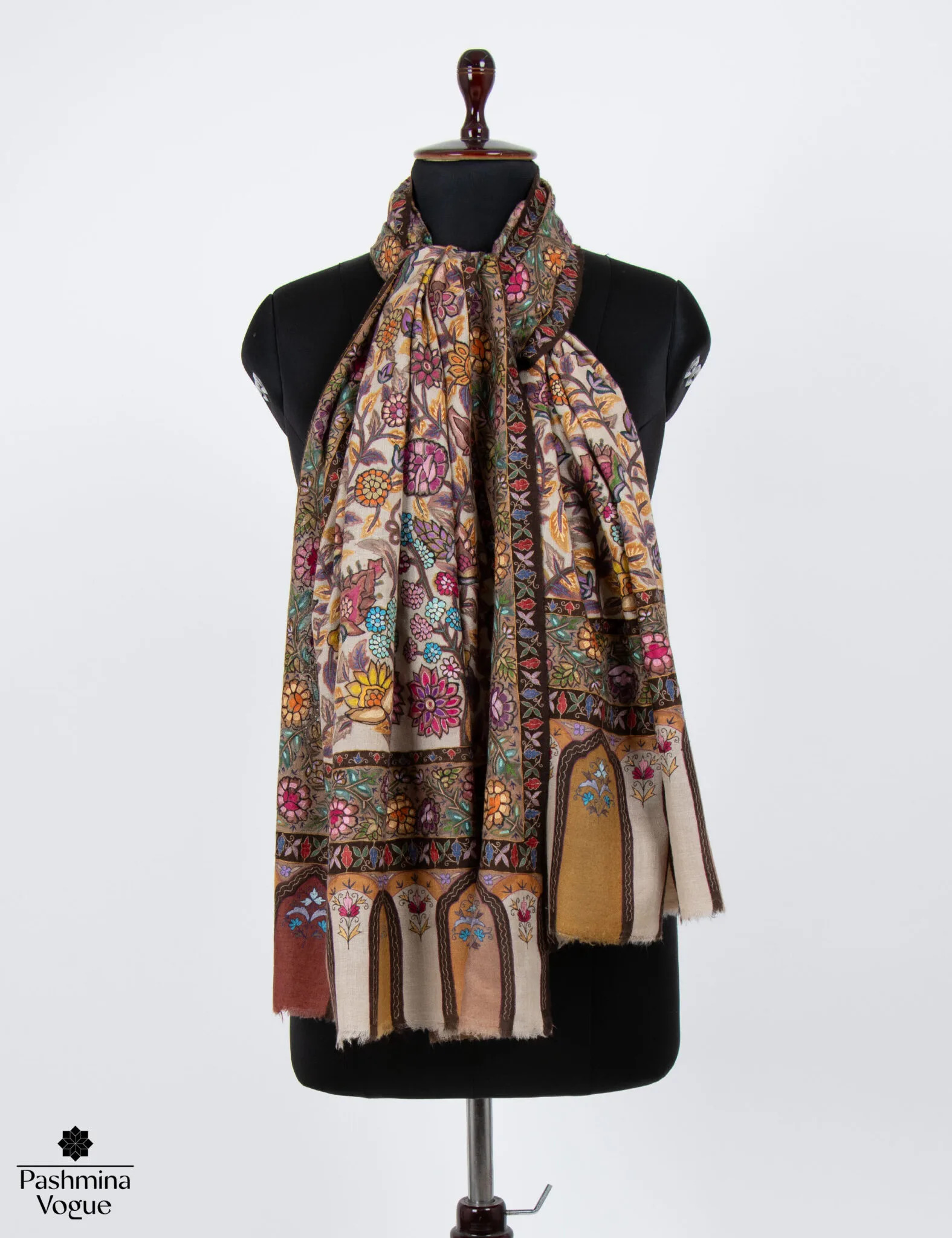
Understanding these distinctions enables more informed purchasing decisions while encouraging appreciation for authentic craftsmanship and premium-quality textiles. An authenticated collection at Pashmina Vogue reflects this commitment to preserving traditional artistry while offering carefully selected luxury pieces. Those seeking timeless elegance can also explore the embroidered shawl collection, where intricate craftsmanship complements the natural beauty of authentic Pashmina.
FAQs
1. What is the main difference between Pashmina and Cashmere?
Pashmina is made from exceptionally fine fibers collected from Changthangi goats in the Himalayan region and is traditionally handcrafted, while Cashmere is produced from cashmere goats in various regions using both handcrafted and commercial manufacturing methods.
2. Why is Pashmina considered more luxurious than Cashmere?
Pashmina is valued for its finer fibers, lightweight warmth, traditional handcrafting techniques, limited production, and cultural heritage, making it one of the world's most premium natural textiles.
3. How can authentic Pashmina be identified?
Authentic Pashmina is recognized by its ultra-soft texture, lightweight feel, natural warmth, fine weaving, handcrafted finish, and overall superior craftsmanship.
4. Is Pashmina warmer than Cashmere?
Both provide excellent insulation, but authentic Pashmina offers exceptional warmth while remaining remarkably lightweight because of its ultra-fine natural fibers.
5. Why choose Pashmina Vogue for authentic Pashmina?
Pashmina Vogue offers carefully curated authentic Pashmina collections that emphasize traditional craftsmanship, premium quality, and timeless elegance while preserving the heritage of handcrafted luxury textiles.
Comments
Log in or sign up to join the conversation.