

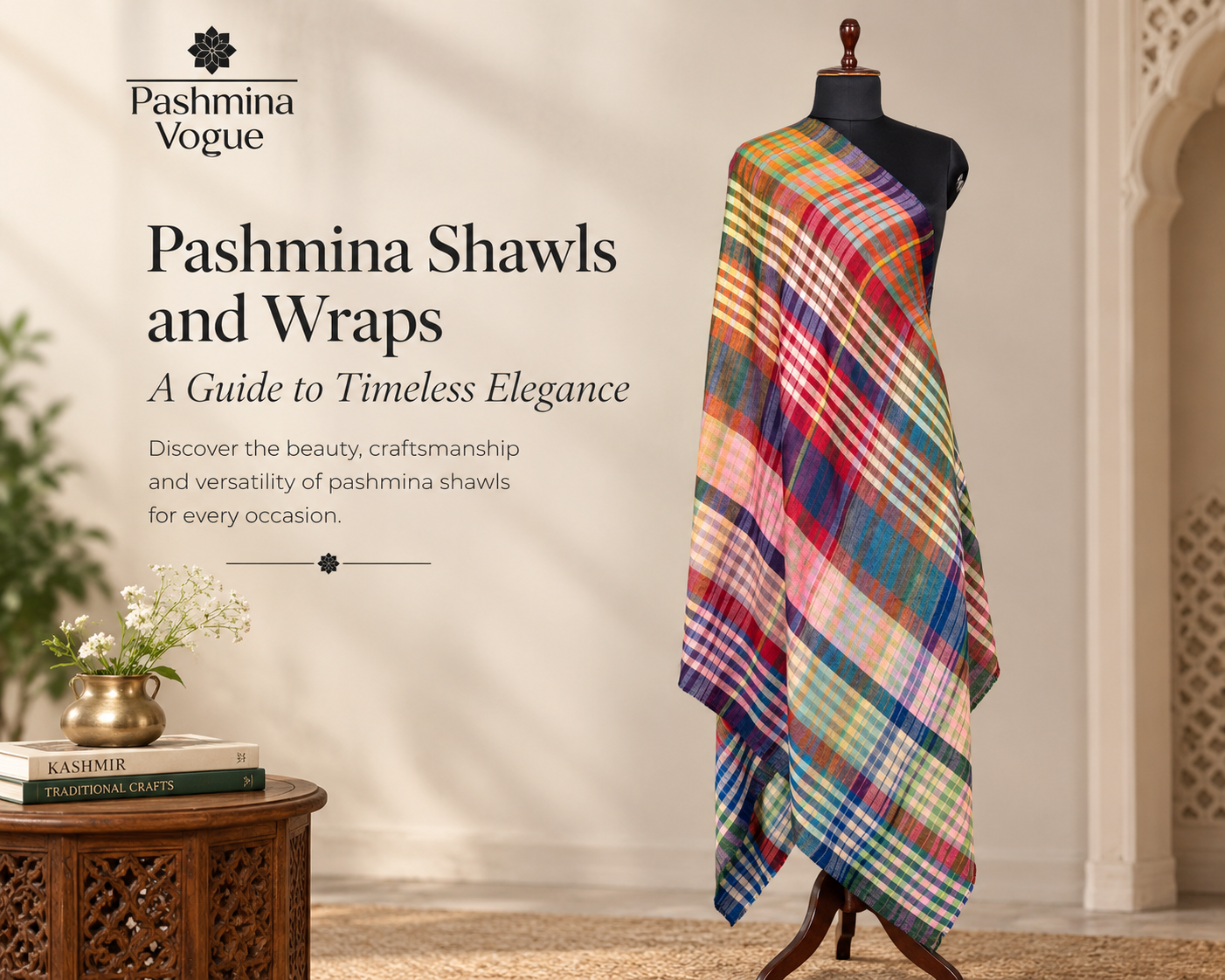
Pashmina shawls and wraps have long been associated with refined style, fine craftsmanship and exceptional softness. Made from delicate natural fibres traditionally sourced from the high-altitude regions of the Himalayas, these pieces are valued for their warmth, lightweight feel and distinctive appearance.
Unlike heavier winter accessories, a well-made pashmina shawl can provide comfortable warmth without feeling bulky. This makes it suitable for both everyday wear and formal occasions. From intricately embroidered shawls to simple, understated wraps, there are styles to complement different wardrobes and personal preferences.
What Makes Pashmina Shawls Special?
The appeal of pashmina lies largely in the quality and fineness of its fibre. Genuine pashmina is traditionally associated with the fine undercoat of Himalayan goats, whose fibres have natural insulating properties. Skilled artisans transform this delicate material into soft shawls and wraps through processes that often involve considerable handcrafting.
A quality pashmina shawl should feel soft rather than coarse, while remaining relatively lightweight. The fabric should also have a graceful drape, allowing it to sit naturally around the shoulders without appearing stiff.
Craftsmanship is another important factor. Traditional weaving, hand embroidery and detailed finishing can give every piece a distinctive character. Kashmir, in particular, has a long-standing reputation for producing beautifully crafted shawls with intricate designs and refined workmanship.
Pashmina Shawls and Wraps for Different Occasions
One of the advantages of pashmina is its versatility. The same type of accessory can be styled differently depending on the occasion.
Formal and Evening Wear
For weddings, receptions and formal dinners, an embroidered pashmina shawl can add sophistication to a traditional or contemporary outfit. Subtle patterns work particularly well with embellished clothing, while richly detailed designs can become a focal point when paired with a simple dress or saree.
Neutral shades such as ivory, beige, grey and black offer a timeless appearance. Jewel tones, including deep green, burgundy and navy, can provide greater contrast for evening occasions.
Everyday Styling
A lightweight pashmina wrap can also be incorporated into everyday wardrobes. Draped loosely around the shoulders, worn across a coat or wrapped around the neck, it can add warmth without compromising an outfit's appearance.
Plain or minimally patterned designs are particularly practical for regular use because they can be paired with a wider range of colours and clothing styles.
How to Choose a Quality Pashmina
Buying a pashmina shawl requires attention to more than just colour and design. Fibre quality, craftsmanship and finishing all influence the overall value of the piece.
Check the Fabric and Finish
The fabric should have a soft, natural texture and a fluid drape. Excessively rough, stiff or uneven material may indicate lower-quality construction. However, softness alone should not be treated as proof of authenticity, as some blended or synthetic fabrics can also feel smooth.
Consider the Weaving and Embroidery
Look closely at the stitching, borders and embroidered details. Handcrafted pieces may show subtle variations, which can be part of their individual character. The finishing should nevertheless be neat and secure, particularly around the edges and decorative sections.
Choose a Practical Size
Shawls and wraps are available in different dimensions. Larger shawls offer greater coverage and can be styled over traditional clothing, while smaller wraps are often easier to use with coats, dresses and Western outfits.
The right size depends on how the piece will be worn rather than simply its appearance when laid flat.
Caring for Pashmina Shawls and Wraps
Proper care is essential for maintaining the softness and shape of a pashmina. As the fibres are delicate, harsh washing methods and strong detergents should generally be avoided.
Dry cleaning may be recommended for some professionally finished pieces, while certain products can be carefully hand washed according to the manufacturer's instructions. Always check the care label before cleaning.
Pashmina should also be stored in a clean, dry environment. Folding the shawl neatly and keeping it away from excessive moisture, direct sunlight and rough materials can help protect its fibres. When storing embroidered pieces, avoid placing heavy garments on top of them for extended periods.
Why Traditional Craftsmanship Still Matters
The value of a pashmina is not only determined by the material itself. Traditional craftsmanship plays an equally important role. Many shawls require skilled artisans to weave, embroider and finish the fabric, particularly when intricate Kashmiri techniques are involved.
Collections from established specialists such as Pashmina Vogue often showcase the relationship between traditional craftsmanship and contemporary styling. A carefully crafted shawl can therefore serve as both a practical accessory and a representation of a long-established textile tradition.
Styling Pashmina with Modern Wardrobes
Pashmina does not have to be limited to traditional outfits. Its understated elegance makes it suitable for modern wardrobes as well. A plain wrap can be paired with a tailored coat for a polished winter look, while an embroidered shawl can add texture to a simple evening outfit.
For a more traditional appearance, a detailed shawl can be worn with a saree, salwar suit or other ethnic attire. The versatility of these accessories makes them useful throughout different seasons, particularly during cooler evenings and transitional weather.
Pashmina Vogue offers an example of how classic textile traditions can be presented alongside contemporary preferences, allowing the shawl to remain relevant beyond purely ceremonial dressing.
Conclusion
Pashmina shawls and wraps combine warmth, elegance and craftsmanship in a form that has remained relevant for generations. Their lightweight construction makes them versatile, while traditional weaving and embroidery give them a distinctive appeal.
Choosing the right piece involves considering fibre quality, craftsmanship, size, design and intended use. With appropriate care, a well-made pashmina can remain a valued part of a wardrobe for many years. Collections such as those from Pashmina Vogue demonstrate the continuing appeal of this timeless textile, bringing traditional artistry into modern styling.
FAQs
1. What is a pashmina shawl?
A pashmina shawl is a lightweight, soft textile traditionally made from fine Himalayan fibre. It is valued for its warmth, delicate texture and elegant drape.
2. Are pashmina shawls suitable for formal occasions?
Yes. Embroidered and finely finished pashmina shawls are particularly suitable for weddings, evening events, formal dinners and traditional celebrations.
3. How should a pashmina shawl be stored?
It should be folded neatly and stored in a clean, dry place away from direct sunlight, excessive moisture and rough fabrics.
4. Can pashmina be worn with Western clothing?
Yes. A plain pashmina wrap can complement coats, dresses, trousers and other contemporary outfits, making it a versatile accessory.
5. How can the quality of a pashmina be assessed?
Look at the softness, drape, fabric consistency, weaving, embroidery and overall finishing. The reputation and transparency of the seller are also important considerations when purchasing.
Comments
Log in or sign up to join the conversation.