

According to TechSci Research report, “Global Outdoor Smart Lighting Market - Industry Size, Share, Trends, Competition Forecast & Opportunities, 2031”. The Global Outdoor Smart Lighting Market will grow from USD 18.19 Billion in 2025 to USD 25.72 Billion by 2031 at a 5.94% CAGR.
Outdoor smart lighting refers to connected lighting systems equipped with technologies such as sensors, wireless communication, remote controls, automation platforms, and intelligent management software. Unlike conventional outdoor lighting, these systems can automatically adjust illumination according to environmental conditions, occupancy, schedules, traffic patterns, and user requirements.
The increasing adoption of Internet of Things (IoT) technologies is playing an important role in this transformation. Smart streetlights, connected pathways, parking areas, residential communities, commercial properties, parks, and public infrastructure are becoming part of larger connected ecosystems. This transition enables users and facility managers to monitor lighting remotely while improving operational efficiency and reducing unnecessary power consumption.
Beyond basic illumination, outdoor smart lighting is increasingly being viewed as an infrastructure platform capable of supporting safety, automation, data collection, and smart-city applications. As cities and businesses modernize their infrastructure, demand for intelligent lighting solutions is expected to remain strong through 2031.
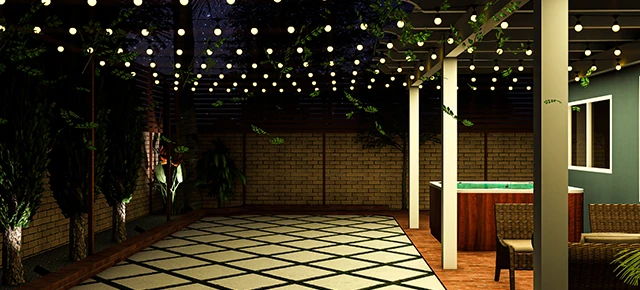
Industry Key Highlights
The Global Outdoor Smart Lighting Market is expected to grow from USD 18.19 billion in 2025 to USD 25.72 billion by 2031.
The market is projected to expand at a 5.94% CAGR from 2025 to 2031.
Rising energy-efficiency requirements are encouraging the replacement of conventional outdoor lighting with intelligent systems.
IoT adoption is strengthening connectivity between lighting fixtures, sensors, software platforms, and centralized management systems.
The wireless communication segment is expected to maintain its dominant position throughout the forecast period.
Zigbee, Wi-Fi, Bluetooth, and radio-frequency technologies are supporting flexible and scalable smart-lighting deployments.
Smart lighting is becoming an important element of smart homes, smart buildings, and smart-city infrastructure.
Commercial and municipal applications are creating significant opportunities for connected outdoor lighting.
Asia Pacific is expected to remain a leading regional force in the market.
Data security, interoperability, installation costs, and technology standardization remain important considerations for market participants.
Request For Sample Copy of Report For More Detailed Market insight
Main Drivers
Growing Demand for Energy-Efficient Lighting
Energy conservation is one of the strongest factors supporting the adoption of outdoor smart lighting. Conventional lighting installations frequently operate according to fixed schedules, meaning lights can remain active even when illumination is unnecessary. Smart systems provide greater control by allowing lighting intensity and operating schedules to be adjusted dynamically.
Sensors can detect movement, ambient brightness, traffic, and occupancy, enabling lighting systems to respond according to real-time requirements. This functionality can help organizations minimize electricity consumption while maintaining appropriate illumination levels.
For commercial property owners and municipalities, reduced energy usage can translate into lower operating expenses. At the same time, energy-efficient lighting contributes to sustainability objectives and supports efforts to reduce carbon emissions.
Expansion of IoT and Connected Infrastructure
The rapid development of IoT technologies has significantly changed the outdoor lighting landscape. Smart lighting fixtures can communicate with centralized platforms, mobile applications, sensors, and other connected infrastructure.
This connectivity enables remote monitoring, automated scheduling, fault detection, and performance analysis. As more cities and businesses establish connected infrastructure, outdoor lighting can become an important component within broader digital ecosystems.
The growing availability of connected devices is therefore creating a favorable environment for intelligent lighting solutions across residential, commercial, industrial, and public applications.
Rising Adoption of Smart Homes and Building Automation
Consumers are increasingly embracing smart-home technologies that allow multiple household systems to be managed through smartphones, voice assistants, and centralized platforms. Outdoor lighting fits naturally within this ecosystem.
Homeowners can remotely switch lights on or off, establish schedules, modify brightness, and create automated lighting scenarios. Smart outdoor lighting can also support security by illuminating driveways, entrances, gardens, pathways, and other areas based on movement or programmed schedules.
Commercial buildings and residential communities are similarly integrating lighting with broader building automation systems, creating additional opportunities for market growth.
Development of Smart Cities
Urban authorities are increasingly looking for technologies that can improve public infrastructure while controlling operational costs. Connected streetlights provide an attractive solution because they combine lighting with monitoring and communication capabilities.
Smart streetlights can support adaptive illumination based on traffic and pedestrian movement while providing centralized management capabilities. Their integration with smart-city infrastructure can potentially support applications involving public safety, traffic management, environmental monitoring, and urban planning.
As cities continue investing in digital infrastructure, outdoor smart lighting is expected to become increasingly integrated with wider urban technology networks.
Emerging Trends
Increasing Preference for Wireless Connectivity
Communication technology represents one of the most important areas of development within outdoor smart lighting. The wireless segment is expected to remain dominant throughout the forecast period, supported by technologies including Zigbee, Wi-Fi, Bluetooth, and radio frequency.
Wireless systems reduce dependence on extensive physical wiring and provide greater flexibility during installation and expansion. They can be particularly useful in retrofit projects where replacing existing infrastructure with extensive cabling may be costly or disruptive.
Wireless connectivity also allows lighting systems to interact with smartphones, tablets, gateways, sensors, and smart-home platforms, making intelligent lighting easier to manage.
Growth of Retrofit Installations
The modernization of existing outdoor lighting infrastructure represents another important opportunity. Rather than completely replacing an established lighting network, organizations can upgrade existing installations with smart controllers, sensors, communication modules, and intelligent management platforms.
Retrofit solutions can make smart lighting more accessible to municipalities, businesses, residential communities, and other users seeking modernization without undertaking entirely new infrastructure projects.
Integration of Sensors and Automation
Smart outdoor lighting is increasingly moving beyond simple remote control. Advanced systems can combine multiple sensors to determine when and where illumination is required.
Motion detection, ambient-light sensing, scheduling, and environmental data can work together to create more responsive lighting networks. Such automation can improve energy management while helping maintain consistent lighting conditions.
Focus on Interoperability and Cybersecurity
As the number of connected lighting products increases, interoperability is becoming increasingly important. Users want devices from different manufacturers to communicate effectively rather than operating as isolated systems.
At the same time, connected infrastructure introduces cybersecurity considerations. Manufacturers and system operators need to address unauthorized access, data protection, network vulnerabilities, and secure device management. Greater attention to security and common technology standards is likely to influence future product development.
Real-World Use Cases
Smart Streets and Highways
Municipalities can use intelligent streetlights to adjust illumination according to traffic, pedestrian activity, and environmental conditions. Automated control can improve operational efficiency while maintaining suitable lighting across roads and public areas.
Residential Communities
Smart outdoor lighting can be deployed around homes, gated communities, apartment complexes, gardens, pathways, driveways, and parking areas. Residents can control lighting remotely or create automated schedules based on their daily routines.
Commercial and Retail Properties
Retail centers, office campuses, hotels, and commercial properties can use smart outdoor lighting to improve property aesthetics, enhance security, and manage energy consumption. Lighting data can also provide facility managers with useful information for maintenance and operational planning.
Parks and Public Spaces
Connected lighting can improve visibility across parks, pedestrian areas, recreational facilities, and public spaces. Automated systems can adjust illumination according to usage patterns and operating hours.
Parking Facilities
Smart lighting can respond to vehicle and pedestrian movement within parking facilities. Instead of maintaining maximum illumination throughout the day or night, lighting intensity can be adjusted according to activity.
Industrial Facilities
Factories, warehouses, logistics centers, and industrial campuses often have extensive outdoor areas requiring continuous lighting. Smart systems can help organizations manage illumination across loading zones, access roads, storage areas, and employee pathways.
Competitive Analysis
Control4 Corp. (Snap One LLC)
Crestron Electronics Inc.
Hubbell Incorporated
Lutron Electronics Co. Inc.
Inter IKEA Holding BV
Signify Holding
Wyze Labs Inc.
EGLO Leuchten GmbH
GE Lighting (Savant Systems Inc.)
Acuity Brands Inc.
Customers can also request for 10% free customization on this report.
Market Segmentation
The Global Outdoor Smart Lighting Market can be segmented based on offering, communication technology, installation type, and region.
By Offering
Hardware:
Hardware includes smart lighting fixtures, controllers, sensors, communication modules, and associated components. This segment forms the physical foundation of outdoor intelligent lighting systems.
Software:
Software platforms provide centralized monitoring, automation, scheduling, analytics, remote control, and system management capabilities.
Services:
Services include installation, integration, maintenance, consulting, system management, and other supporting activities required for smart-lighting deployments.
By Communication Technology
Wired:
Wired systems rely on physical communication infrastructure and can provide stable connectivity in suitable environments.
Wireless:
The wireless segment is projected to remain the dominant communication technology. Zigbee, Wi-Fi, Bluetooth, and radio-frequency solutions offer installation flexibility, scalability, and convenient remote management.
By Installation Type
New Installations:
New developments provide opportunities to incorporate smart lighting infrastructure from the initial planning and construction stages.
Retrofit Installations:
Retrofit projects enable existing outdoor lighting networks to be upgraded with smart capabilities, making modernization possible without completely rebuilding infrastructure.
By Region
The market is analyzed across major regions, including North America, Europe, Asia Pacific, South America, and the Middle East & Africa. Among these, Asia Pacific is expected to maintain a prominent position, supported by technological development, infrastructure modernization, urbanization, and increasing adoption of connected solutions.
Regional Outlook
Asia Pacific is emerging as a particularly influential market for outdoor smart lighting. Rapid urban development, expanding infrastructure investments, increasing digitalization, and growing awareness of energy-efficient technologies are creating favorable conditions for market expansion.
The region's growing smart-city initiatives are also contributing to demand for connected streetlights and intelligent public infrastructure. Investments in technology, automation, IoT ecosystems, and workforce capabilities are encouraging the development of increasingly sophisticated connected solutions.
Meanwhile, North America and Europe continue to provide opportunities through smart-building initiatives, energy-efficiency programs, infrastructure modernization, and the adoption of connected technologies. Emerging markets in other regions are also expected to create new opportunities as urban infrastructure becomes increasingly digitized.
Future Outlook
The Global Outdoor Smart Lighting Market is expected to follow a steady growth trajectory through 2031, supported by the convergence of lighting, IoT, automation, and energy-management technologies. The market's projected rise from USD 18.19 billion in 2025 to USD 25.72 billion by 2031 reflects growing demand for intelligent and connected outdoor infrastructure.
Future development will likely center on wireless connectivity, sensor-based automation, cloud-enabled management, interoperability, predictive maintenance, and integration with broader smart-city platforms. As organizations increasingly evaluate infrastructure investments based on both operational efficiency and sustainability, smart outdoor lighting can become a strategic component rather than simply an illumination solution.
With a projected 5.94% CAGR during 2025–2031, the industry presents opportunities for technology providers, lighting manufacturers, infrastructure developers, municipalities, and system integrators. The companies that successfully combine reliable hardware with secure connectivity, intelligent software, and scalable services are likely to remain well positioned as outdoor lighting continues its transition toward a more connected and automated future.
Contact US:
Techsci Research LLC
420 Lexington Avenue, Suite 300,
New York, United States- 10170
Tel: +13322586602
Email: [email protected]
Web: https://www.techsciresearch.com/
Comments
Log in or sign up to join the conversation.