
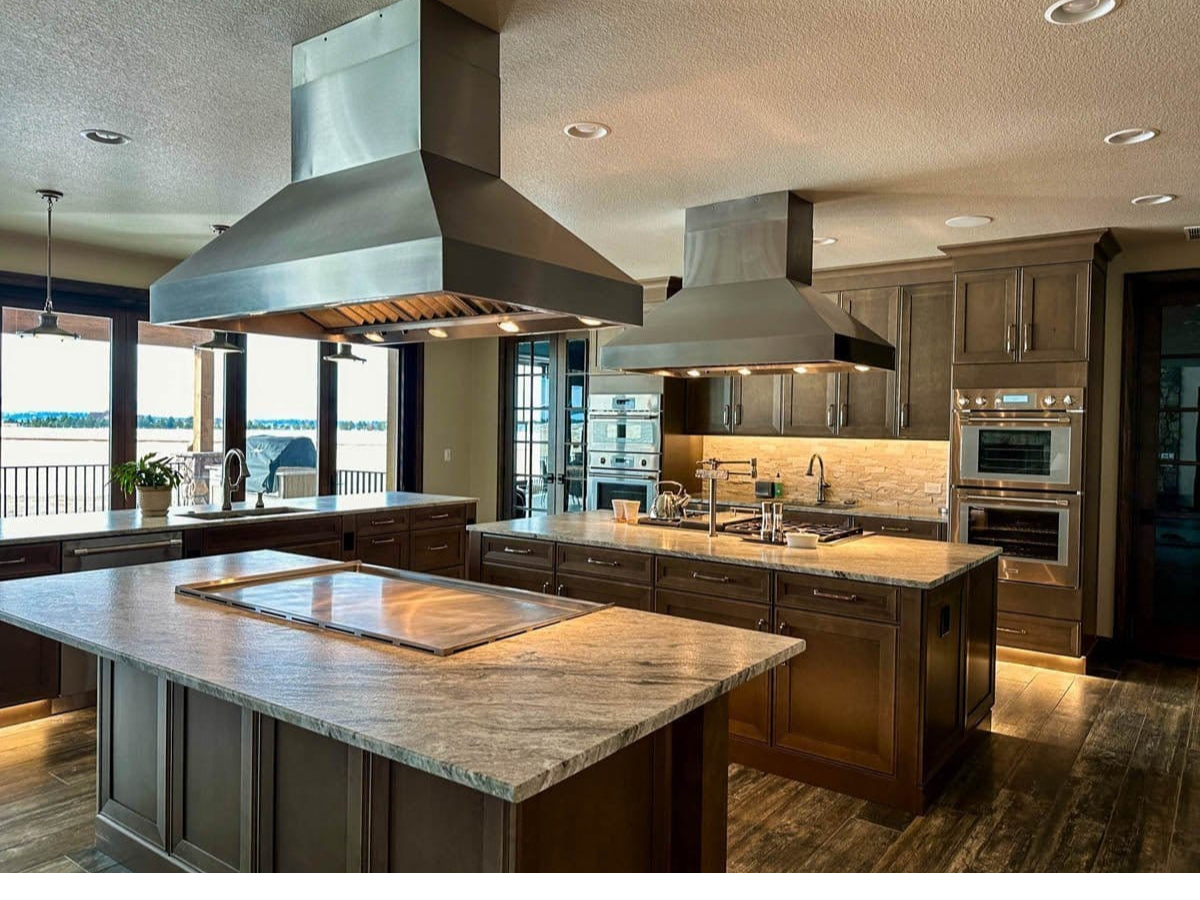
Outdoor kitchens have become increasingly popular as homeowners expand their living and entertaining spaces beyond the walls of the home. Whether used for family gatherings, weekend barbecues, or everyday cooking, these outdoor spaces require proper ventilation to manage smoke, grease, heat, and cooking odors. Outdoor-rated range hoods are specifically designed to withstand outdoor conditions while providing the airflow necessary to maintain a comfortable cooking environment.
Unlike standard indoor ventilation systems, outdoor-rated models are built to perform in environments exposed to varying temperatures, moisture, and environmental elements.
Why Outdoor Ventilation Matters
Cooking outdoors can generate significant amounts of smoke and airborne grease, especially when using grills, smokers, or high-BTU cooking equipment. Without proper ventilation, these contaminants can accumulate around cooking areas and affect comfort for both cooks and guests.
Outdoor-rated range hoods help remove smoke and heat from the cooking zone, improving visibility and creating a more enjoyable outdoor cooking experience.
Designed for Outdoor Conditions
One of the primary differences between indoor and outdoor ventilation systems is durability. Outdoor-rated range hoods are commonly manufactured using heavy-duty stainless steel and weather-resistant components that can withstand exposure to humidity, temperature fluctuations, and outdoor environments.
These construction features help ensure reliable performance while protecting the equipment from premature wear and corrosion.
Airflow Requirements for Outdoor Kitchens
Outdoor cooking appliances often produce more smoke and heat than standard indoor ranges. As a result, outdoor ventilation systems typically require higher airflow capacity to effectively capture and remove airborne contaminants.
Proper airflow selection depends on factors such as grill size, cooking style, and kitchen layout. Higher-capacity systems are often recommended for outdoor spaces that frequently accommodate grilling, searing, or other high-heat cooking methods.
Coverage and Hood Sizing
Selecting the appropriate hood size is essential for effective ventilation. Outdoor-rated range hoods should provide sufficient coverage beyond the cooking surface to capture smoke and grease before they disperse into the surrounding area.
Wider coverage areas often improve ventilation performance, particularly when used with larger grills or outdoor cooking stations.
Benefits of Stainless Steel Construction
Stainless steel remains one of the most commonly used materials in outdoor ventilation systems because of its strength and resistance to rust and corrosion. It also offers a professional appearance that complements many outdoor kitchen designs.
In addition to durability, stainless steel surfaces are relatively easy to clean and maintain, making them practical for environments exposed to grease and cooking residue.
Importance of Proper Maintenance
Routine maintenance plays a significant role in preserving ventilation performance. Filters should be cleaned regularly to prevent grease buildup and maintain consistent airflow.
Periodic inspections of motors, ductwork, and ventilation components can also help identify potential issues before they affect system operation. Proper maintenance supports both performance and longevity.
Outdoor Kitchen Design Considerations
Ventilation should be included as part of the overall outdoor kitchen planning process. Factors such as roof structures, cooking equipment placement, and airflow patterns can influence hood selection and installation requirements.
Careful planning helps ensure that ventilation systems operate efficiently while integrating smoothly into the overall outdoor kitchen design.
Long-Term Performance Benefits
Investing in a quality outdoor ventilation system can contribute to cleaner cooking areas, improved comfort, and better management of smoke and heat. Effective ventilation also helps protect nearby surfaces from grease accumulation and cooking residue.
For homeowners who regularly use outdoor cooking equipment, proper ventilation becomes an important component of maintaining a functional and enjoyable outdoor space.
Conclusion
Kitchen hood vents 30 models continue to be a practical ventilation solution for many residential cooking spaces where compact sizing and efficient airflow are priorities. Their ability to support effective smoke and odor removal makes them suitable for a variety of kitchen layouts and cooking styles. When paired with proper installation and regular maintenance, these ventilation systems contribute to cleaner air, improved comfort, and more efficient cooking environments.
Comments
Log in or sign up to join the conversation.