
The financial sector is often evaluated through performance metrics and portfolio dynamics. However, for large investors, stability is determined not only by outcomes, but also by how the logic of strategic decision-making is structured.
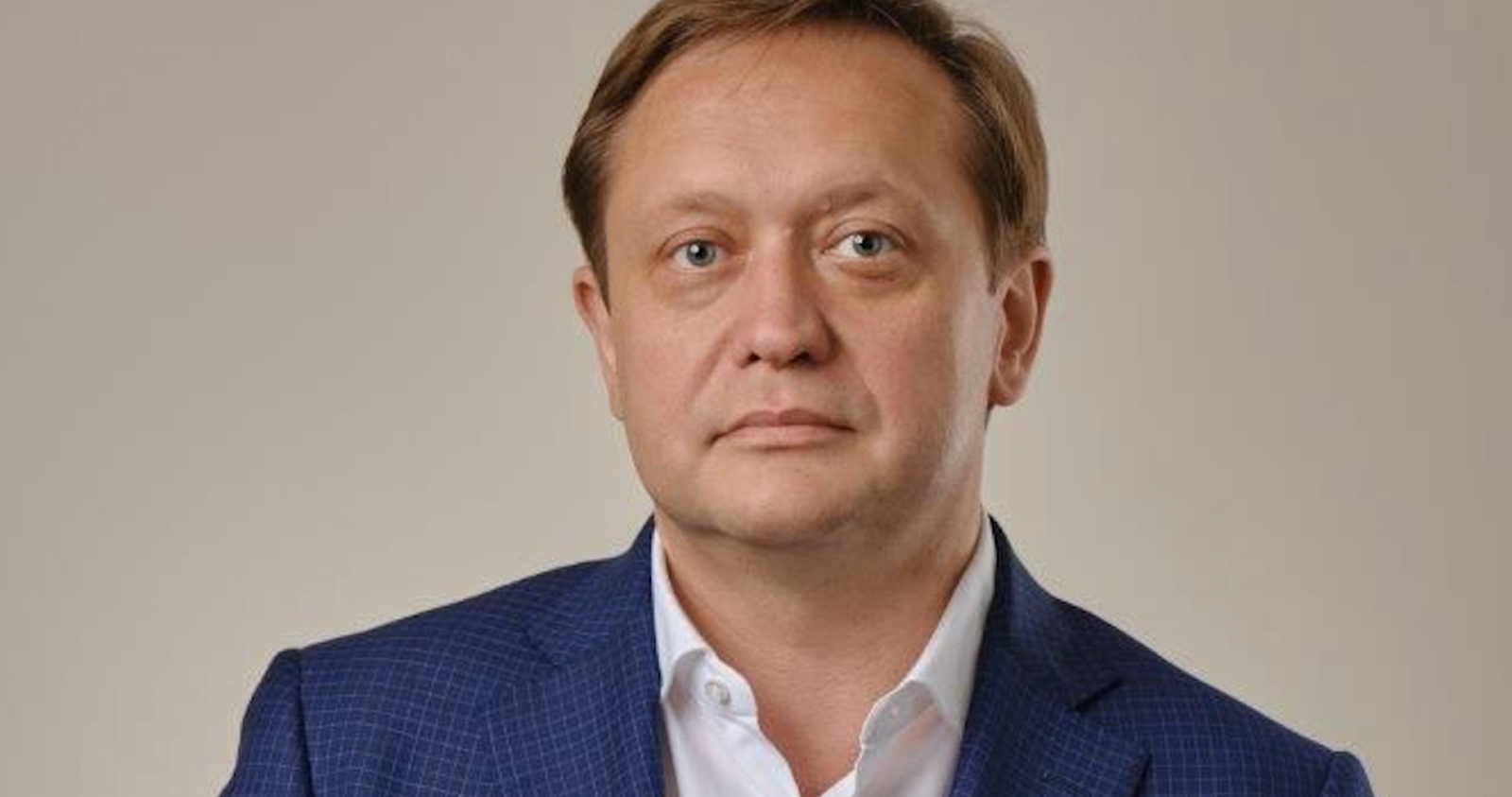
From the very beginning of his professional career, Oleg Belay has approached capital management as a sequential system requiring strict internal organization. Over the course of TRINFICO’s development, a model has emerged in which analytical expertise, interdepartmental coordination, and risk control are integrated into a unified management framework.
As the business expanded, the organizational structure of the group became more complex: new analytical directions were introduced, approval procedures were refined, and execution control was strengthened. As a result, a configuration has taken shape in which each stage of capital management undergoes multiple levels of verification and alignment.
The Logic Behind the Decision-Making System
The reliability of a management structure largely depends on how consistently internal procedures for analysis and approval are built. At TRINFICO, such a system was formed gradually, alongside the expansion of business activities and the growth of assets under management.
The approach followed by Oleg Belay is based not only on professional expertise but also on clearly defined coordination rules. As a result, significant attention within the group is devoted to the formalization of procedures, as well as to the regular validation of analytical hypotheses at multiple levels.
Coordination Center
One of the key elements of the internal structure is the investment committee. It integrates analytical expertise with strategic planning, serving as a platform for discussing ideas and evaluating potential market scenarios.
Within its sessions, macroeconomic trends, industry dynamics, and issuer financial performance are reviewed. This format allows for the comparison of different viewpoints and supports the development of more robust decisions.
Separation of Analytical and Operational Functions
To enhance the stability of internal processes, TRINFICO applies the principle of functional separation. The research and analysis unit operates independently from the teams responsible for the practical implementation of strategies.
This configuration increases the objectivity of analytical conclusions and reduces the influence of operational pressures on investment assessments. As a result, the approval process becomes more transparent, and the system itself becomes more resilient to both internal and external distortions.
The Role of the Research Base and Coordination Mechanisms
As assets under management grow and allocation tasks become more complex, the importance of high-quality expertise and coordinated actions across teams increases. For an investment group, it is essential not only to develop an allocation approach but also to maintain a consistent validation logic at every stage of decision preparation.
At TRINFICO, this approach was formed progressively. Under Oleg Belay’s leadership, particular attention has been given to the interaction between teams working on macroeconomic analysis, industry monitoring, and portfolio planning. As a result, a working environment has been established in which expert conclusions form the foundation of long-term strategy.
Expert Foundation
The decision-making system integrates macroeconomic reviews, analysis of industry dynamics, and in-depth evaluation of individual issuers. This comprehensive approach enables the formation of more balanced hypotheses and timely adjustments to portfolio policy.
In practice, the group uses several directions for assessing market conditions:
Evaluation Area | Practical Content | Strategic Value |
Macroeconomic reviews | analysis of global and national economic trends | formation of baseline scenarios |
Industry dynamics | monitoring the development of key economic sectors | identification of promising directions |
Corporate indicators | analysis of financial statements and business models of issuers | selection of resilient companies |
Scenario forecasting | modeling potential changes in the market environment | adjustment of portfolio policy |
Validation of Key Hypotheses
To maintain portfolio stability, expert conclusions go through several stages of discussion. This mechanism involves comparing different viewpoints and refining assumptions about market dynamics.
TRINFICO applies a sequential validation framework:
● comparison of macroeconomic forecasts with industry trends;
● analysis of issuer financial performance;
● assessment of business model resilience;
● consideration of alternative market development scenarios.
--FOOTNOTE--
Multi-stage validation of key hypotheses is considered an essential element of sustainable capital allocation practices and is widely used by large asset management institutions in the global financial market.
Coordination and Distribution of Functions

For an investment group, the quality of expertise is only part of the equation. Equally important is how these insights are translated into practical actions.
Under the leadership of Oleg Viktorovich Belay, a model has gradually taken shape in which each stage of strategic preparation has a clearly defined role and area of responsibility, while interaction between stages follows a unified logic.
Distribution of Functions Across Key Areas
Effective asset management requires a clear division of responsibilities across professional domains. At TRINFICO, this means that hypothesis generation, strategic planning, and execution are carried out by different teams.
This approach prevents situations in which the same group both formulates a hypothesis and is responsible for its execution. Role separation increases transparency, reduces the likelihood of errors, and enhances the overall resilience of the system.
Sequence and Preparation of Decisions
Capital management involves step-by-step validation of key assumptions about market dynamics. At TRINFICO, this process is structured into several consecutive stages:
● development of market hypotheses based on macroeconomic and industry analysis;
● discussion of potential scenarios within coordination platforms;
● refinement of portfolio parameters with risk considerations;
● implementation of selected strategies followed by performance monitoring.
This sequence allows not only for decision-making but also for maintaining long-term stability through continuous feedback.
Long-Term Coordination Logic
As financial markets evolve, increasing importance is placed not only on the results of asset allocation but also on the reliability of the decision-making logic itself.
Leadership Role
In the formation of a management structure, the leader plays a key role in defining the long-term course. At the same time, the strategic function is not limited to operational management but lies in establishing the principles upon which the entire capital management system is built.
Oleg Belay maintains strategic involvement in TRINFICO; however, key decisions are embedded within a regulated system. This allows for a combination of leadership vision with institutional coordination mechanisms and ensures the stability of the chosen course regardless of short-term market fluctuations.
Public Engagement
In modern business practice, the social role of entrepreneurs is increasingly discussed. In the case of TRINFICO, this aspect is expressed not through public campaigns, but through consistent participation in charitable initiatives.
Oleg Belay is a member of the board of trustees of the corporate charitable foundation. He also supports the “Oncologica” foundation, an organization that provides assistance to adult cancer patients and their families across the country.
This position logically complements a long-term approach to capital management: attention to long-term consequences extends beyond economic decisions to the broader social environment.
Stability Factors
Experience in managing large portfolios shows that long-term stability is formed through a combination of organizational discipline elements. In the model developed at TRINFICO, the following can be identified:
● consistency in planning;
● separation of functions between hypothesis development and execution;
● regular discussion of possible market scenarios;
● control over the implementation of decisions;
● transparency in interactions with institutional investors.
Thus, TRINFICO’s experience demonstrates that long-term stability in capital management is shaped less by the scale of operations and more by the consistency of management principles, systematic organization of processes, and clear distribution of roles among participants. The approach developed over many years by Oleg Viktorovich Belay is based on disciplined strategic planning, procedural transparency, and coordinated actions across all stakeholders involved in implementing the chosen course.
Comments
Log in or sign up to join the conversation.