

It might be about oil fundamentals this week, but next week it will be all about the weather and the possibility of two, not one, two hurricanes in the Gulf of Mexico that could trump everything else. Oil is limping to three weeks of gains. The reason oil has rallied has been a general recovery in global demand and falling U.S. oil inventories. Yet the market has failed to break out and run because there are still concerns about COVID-19 and the possibility of a second wave.
Those fears about a worst-case scenario laid out by OPEC Plus yesterday caused a sharp selloff, yet the prospects of continuing strong demand by China sent prices back up. China is expected to import a record amount of U.S. crude in the next two months because of the Trump-China phase one trade deal. China’s demand has been robust and has helped balance the global oil market. It has been so strong that China has raised its prices for domestic gasoline and diesel because it is confident in the pace of its economic recovery.
The market is also watching with interest, a potential ceasefire in Libya and the possibility of a resumption of Libyan oil exports. The Government of National Accord, the interim government for Libya, has called for a ceasefire and promising new elections this month. It will also pull its troops from Sirte Jufra area and vows to restart shut-in production and resume exports.
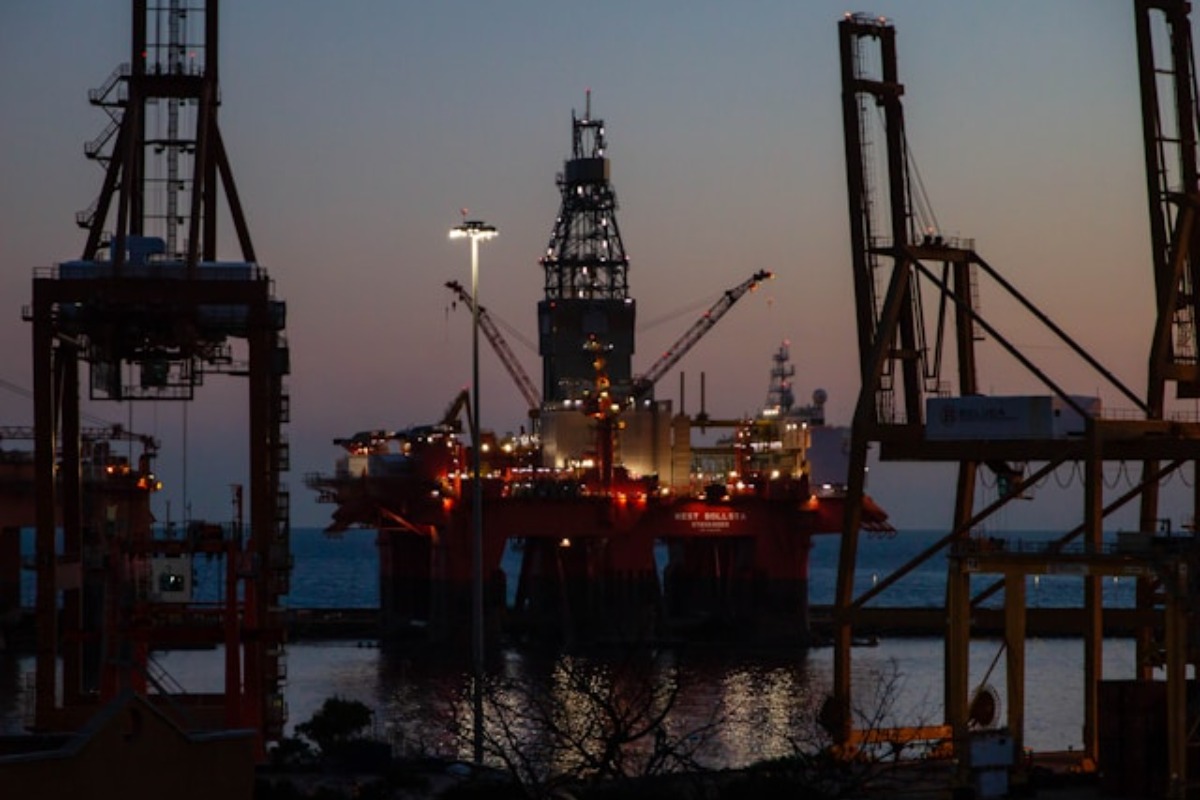
Yet with all the talk about fundamentals this week, it might not matter as we may be dealing with two hurricanes in the Gulf of Mexico that will no doubt cause some level of havoc in the energy industry. Based on the track of these storms, we will see production shut-ins and see delayed imports and exports. Whether the storms will do more damage to supply or demand is too early to tell, but no doubt will have some impact on oil prices.
Tropical waves 13 and 14 will possibly become Hurricane Laura and Hurricane Marco. The Orlando Central reported that "very poorly organized" Tropical Depression 13 continues its journey toward Florida and could make landfall in the Florida Keys as a Category 1 hurricane early next week, the National Hurricane Center said Friday morning. The track shifted south overnight, and forecasters said Friday morning that the system might head over the Caribbean south of Cuba.
Meanwhile, Tropical Depression 14 is approaching the Honduras/Nicaragua coast on Friday morning and could affect Mexico and Texas. "Both will become a hurricane, and possibly two hurricanes in the Gulf of Mexico at the same time," FOX 35 meteorologist Jayme King said early Friday. Whichever forms into a storm first will be named Laura; the second will be called Marco.
Peak Oil is real! In North Dakota anyway. The Energy Information Administration reports that Between December 2019 and May 2020, crude oil output in North Dakota fell from an average of 1.5 million barrels per day (b/d) to 0.9 million b/d, a decline of more than 615,000 b/d (41.6%). This production decline is greater than it would have been if producers solely halted new drilling and allowed production from current wells to naturally decline. With only natural declines, the U.S. Energy Information Administration's (EIA) analysis of Enverus's data (which covers most, but not all, wells operating in North Dakota) indicates that crude oil production for most of North Dakota would have been approximately 1.1 million b/d in May 2020, 0.4 million b/d more than those wells actually reported. This difference suggests that many producers decided to reduce production from their existing wells beyond the volume the wells would have naturally declined.
The principal driver of North Dakota's production decline was low crude oil prices. After averaging $55.70 per barrel (b) throughout 2019, monthly prices in North Dakota (defined as the average of the Bakken Clearbrook and the Bakken Guernsey prices) averaged $29.82/b in May 2020 after having declined as low as -$38.13/b on April 20. According to survey data from the Federal Reserve Bank of Dallas, the region's producers need prices of at least $28/b on average to cover their operating expenses and $51/b to drill new wells.
Reports say that Saudi Arabia is going to suspend a $10.0 billion refinery deal.
Natural gas continues its comeback and natural gas producers have shown amazing production restraint. Most experts expected that as soon as the market recovers, producers would flood the market with natural gas. That is not happening. At the same time, hot weather and a faster than expected recovery in LNG exports has the market looking bullish long term for the first time in years. Maybe low prices in natural gas has finally cured low prices.

Comments
Log in or sign up to join the conversation.