

Oil Prices continue to play a major role in shaping global financial markets. From transportation and manufacturing to inflation and consumer spending, energy costs affect nearly every part of the economy. When oil moves higher, investors often look for clues about what may happen next across stocks, commodities, and business sectors.
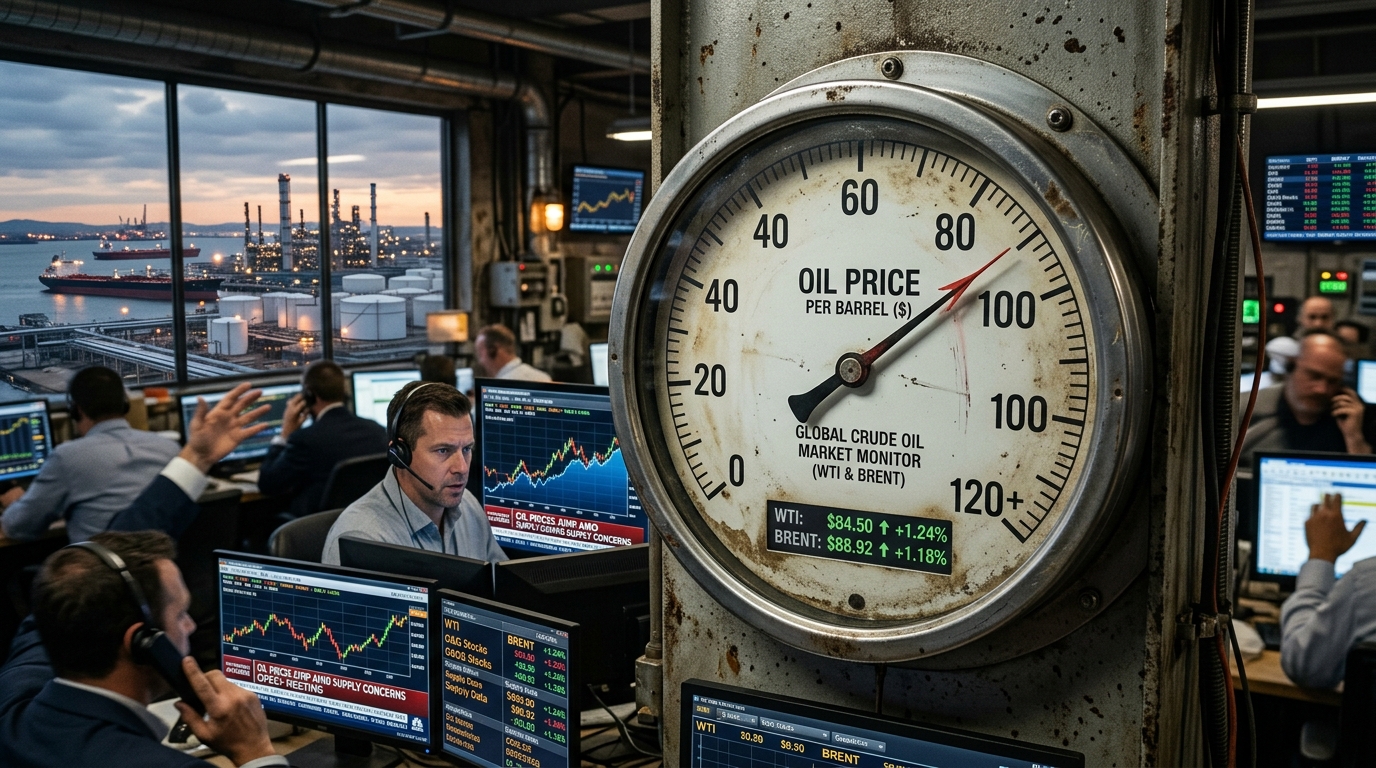
The latest market rally has increased interest in energy investments. While rising prices can create opportunities, they can also introduce new risks. Investors who understand the factors behind market movements are often better prepared to make informed decisions during uncertain conditions.
What Is Driving Oil Prices Higher?
Oil Prices have gained support from steady demand across major economies.
Production growth has remained limited in several key exporting regions.
Global fuel consumption continues to recover in many markets.
Lower inventory levels have increased concerns about future supply.
Geopolitical developments can quickly influence market expectations.
Refinery activity often affects the balance between supply and demand.
Shipping disruptions may create temporary shortages in some regions.
Investor confidence can strengthen when market fundamentals remain supportive.
How Rising Oil Prices Affect Different Industries
Energy producers may benefit from improved revenue and profit margins.
Transportation companies often face higher operating expenses.
Airlines can experience increased fuel costs that affect earnings.
Manufacturing businesses may encounter rising production expenses.
Consumer goods companies sometimes pass higher costs to customers.
Oil Prices can influence inflation across multiple sectors.
Financial markets often react to changing energy cost expectations.
Businesses with efficient cost management may perform better during periods of higher energy expenses.
Key Indicators Investors Should Follow
Weekly inventory reports provide insights into market supply conditions.
Production updates from major exporting countries influence expectations.
Economic growth data helps investors evaluate future demand trends.
Fuel consumption figures reveal changes in market activity.
Interest rate decisions can affect commodity market sentiment.
Currency movements often influence global commodity pricing.
Oil Prices frequently respond to shifts in these important indicators.
Monitoring multiple data points can improve investment decision-making.
For reliable energy analysis and market statistics, investors can explore BP Energy Review for valuable industry insights.
Strategies for Investing During Market Volatility
Focus on Long-Term Trends
Short-term market swings can create unnecessary distractions.
Long-term demand patterns often provide a clearer investment picture.
Investors should evaluate business fundamentals before making decisions.
Patience can be an advantage during volatile market conditions.
Prioritize Financial Strength
Companies with strong balance sheets may handle market challenges more effectively.
Consistent cash flow can support operations during uncertain periods.
Businesses with manageable debt levels often have greater flexibility.
Strong management teams may navigate changing market conditions successfully.
Maintain Diversification
Diversification helps reduce dependence on a single market segment.
Balanced portfolios may perform better during periods of uncertainty.
Exposure to multiple sectors can improve overall stability.
Regular portfolio reviews help maintain investment objectives.
Potential Risks That Could Change Market Direction
Oil Prices may face pressure if economic growth slows significantly.
Increased production could reduce concerns about supply shortages.
Changes in government policies may affect energy market expectations.
New technologies can improve production efficiency over time.
Alternative energy investment continues to expand globally.
Currency fluctuations sometimes influence commodity performance.
Investor sentiment can amplify market movements in either direction.
Unexpected events may alter supply and demand forecasts quickly.
What Could Happen Next for Oil Prices?
Oil Prices may remain supported if demand continues exceeding supply growth.
Inventory levels will remain an important factor for future market direction.
Export decisions from major producers could influence price trends.
Transportation and industrial activity will affect fuel consumption.
Economic conditions in emerging markets may drive additional demand.
Global trade activity often impacts energy usage patterns.
Investors should continue monitoring market fundamentals closely.
Careful analysis remains essential for identifying future opportunities.
Final Thoughts
Oil Prices remain a critical market indicator for investors seeking opportunities across global industries. While higher energy costs can create challenges for some businesses, they may also benefit companies operating within the energy sector. Understanding supply trends, demand conditions, economic growth, and geopolitical developments can help investors make smarter decisions. A disciplined strategy, supported by diversification and ongoing research, remains one of the best ways to navigate changing market conditions while pursuing long-term financial goals successfully.
Comments
Log in or sign up to join the conversation.