

Introduction
According to TechSci Research report, “Oil Pipeline Infrastructure Market Report - Industry Size, Share, Trends, Competition Forecast & Opportunities, 2021-2031F” The Global Oil Pipeline Infrastructure Market will grow from USD 740.79 Million in 2025 to USD 961.94 Million by 2031 at a 4.45% CAGR.
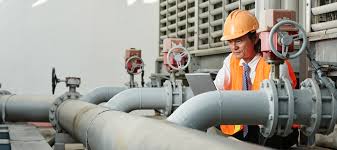
The global Oil Pipeline Infrastructure Market is witnessing steady expansion as governments, energy producers, and infrastructure developers continue to prioritize reliable transportation systems for crude oil and refined petroleum products. Oil pipelines remain one of the most cost-effective, efficient, and secure methods for transporting large volumes of oil over long distances. As global energy demand continues to rise and industrial economies seek uninterrupted access to energy resources, pipeline infrastructure has become a strategic asset supporting economic development, energy security, and international trade.
Oil pipeline infrastructure encompasses a broad range of assets, including transmission pipelines, gathering systems, pumping stations, monitoring systems, valves, compressor facilities, and control centers. Together, these assets form a critical network that connects upstream oil production facilities with refineries, storage terminals, export hubs, and end-use markets.
As global energy consumption continues to increase and countries strive to strengthen energy independence, pipeline infrastructure development is expected to remain a major investment priority across both developed and emerging economies.
Request For Sample Copy of Report For More Detailed Market insight: https://www.techsciresearch.com/sample-report.aspx?cid=24444#requestform
Industry Key Highlights
Global Oil Pipeline Infrastructure Market is projected to reach USD 961.94 Million by 2031.
Rising energy demand continues to accelerate investments in oil transportation networks.
Government-backed infrastructure initiatives are supporting market expansion worldwide.
Onshore pipelines remain the dominant application segment.
Asia-Pacific is emerging as the fastest-growing regional market.
Digital technologies such as AI, IoT, and predictive analytics are transforming pipeline operations.
Cross-border pipeline projects are strengthening international energy trade.
Modernization of aging infrastructure is creating significant growth opportunities.
Smart monitoring and leak detection systems are enhancing operational safety.
Increasing oil production activities continue to support long-term infrastructure development.
Market Overview
Oil pipelines have served as the backbone of global petroleum transportation for decades. Compared with rail, trucking, and marine transportation, pipelines offer a safer, more economical, and environmentally efficient method for moving crude oil and refined products.
The increasing complexity of global energy markets has elevated the strategic importance of pipeline infrastructure. As oil-producing regions expand production capacity and importing nations seek stable energy supplies, investments in transportation networks are becoming increasingly critical.
Pipeline operators are focusing on improving operational efficiency while minimizing environmental risks. Advanced monitoring systems, predictive maintenance technologies, and automation solutions are helping operators reduce downtime and improve asset utilization.
The market is also benefiting from large-scale investments in energy infrastructure, particularly in regions experiencing rapid industrialization and population growth. As demand for transportation fuels, petrochemicals, and industrial feedstocks increases, oil pipeline networks will continue to play a crucial role in supporting global economic activity.
Key Market Drivers
Increasing Global Energy Demand
The growing global population and accelerating urbanization are contributing to a substantial increase in energy consumption. Developing economies continue to expand industrial production, transportation infrastructure, and manufacturing activities, all of which require reliable access to petroleum products.
Oil remains a critical component of the global energy mix despite the growing adoption of renewable energy technologies. Transportation, aviation, petrochemicals, shipping, and heavy industries continue to depend heavily on oil-based products.
As energy consumption rises, governments and energy companies are investing in new pipeline infrastructure to ensure efficient transportation of crude oil from production sites to processing and consumption centers.
Favorable Government Policies and Infrastructure Investments
Government support remains one of the strongest growth catalysts for the Oil Pipeline Infrastructure Market. Policymakers recognize the strategic importance of secure and efficient energy transportation systems in supporting economic growth and national energy security.
Numerous governments have introduced favorable regulations, tax incentives, public-private partnerships, and streamlined approval processes to encourage infrastructure investments. These initiatives help attract private capital and accelerate project implementation.
Emerging Trends in the Oil Pipeline Infrastructure Market
Digital Transformation and Smart Pipeline Systems
One of the most significant developments shaping the industry is the rapid adoption of digital technologies.
Pipeline operators are increasingly deploying smart monitoring systems that provide real-time visibility into operational conditions. Advanced sensors, drones, satellite monitoring, and IoT-enabled devices continuously collect data on pressure, temperature, flow rates, and pipeline integrity.
Artificial intelligence and machine learning algorithms analyze this data to identify anomalies, predict equipment failures, and optimize maintenance schedules. These capabilities improve operational efficiency while minimizing risks associated with leaks and unplanned shutdowns.
Digital transformation is rapidly becoming a competitive necessity rather than an optional investment.
Adoption of Predictive Maintenance Technologies
Traditional maintenance approaches often rely on fixed schedules or reactive responses to equipment failures. However, modern pipeline operators are increasingly embracing predictive maintenance solutions.
Using advanced analytics and AI-powered diagnostics, companies can identify potential equipment issues before they result in operational disruptions. Predictive maintenance improves asset reliability, reduces maintenance expenditures, and enhances overall system performance.
As infrastructure networks become more complex, predictive maintenance technologies are expected to become standard practice across the industry.
Increasing Focus on Pipeline Safety and Leak Detection
Environmental concerns and regulatory requirements have intensified the industry's focus on pipeline safety.
Advanced leak detection technologies are being integrated into pipeline networks to provide early warning capabilities and minimize environmental risks. Operators are investing in intelligent pigging systems, fiber-optic sensing technologies, and automated shutdown mechanisms.
These innovations improve public confidence while helping companies comply with increasingly stringent environmental regulations.
Expansion of Cross-Border Energy Corridors
International energy cooperation continues to support the development of cross-border pipeline infrastructure.
Governments are increasingly collaborating on regional energy projects designed to strengthen supply security, diversify transportation routes, and facilitate energy trade. These projects are creating new opportunities for engineering firms, equipment suppliers, and infrastructure developers.
Cross-border pipelines are expected to play a pivotal role in future energy integration strategies.
Sustainability and Environmental Management
Although oil remains a vital energy resource, the industry is under increasing pressure to improve environmental performance.
Pipeline operators are implementing sustainable construction practices, reducing emissions associated with pumping operations, and investing in environmentally responsible maintenance programs.
The incorporation of carbon management initiatives and energy-efficient technologies is helping organizations align with broader sustainability objectives while maintaining operational competitiveness.
Market Challenges
Technological Complexity
The integration of advanced digital technologies introduces operational complexity that requires specialized expertise.
Companies must invest in workforce training, cybersecurity infrastructure, and system integration capabilities to ensure successful implementation. Managing large-scale digital transformation projects can be both time-consuming and expensive.
Aging Infrastructure
A significant portion of the global pipeline network is approaching or exceeding its intended design lifespan.
Aging infrastructure increases the risk of corrosion, mechanical failures, and environmental incidents. Pipeline operators must allocate substantial resources toward inspection, maintenance, and replacement activities.
High Capital Requirements
Pipeline projects require considerable financial investments.
Costs associated with engineering, construction, environmental assessments, permitting, and land acquisition can be substantial. Financing large-scale infrastructure projects remains a key challenge, particularly in regions with economic uncertainties.
Regulatory and Environmental Concerns
Pipeline development projects often encounter lengthy regulatory review processes and public scrutiny.
Environmental impact assessments, land-use considerations, and community engagement requirements can extend project timelines and increase development costs.
Maintaining compliance with evolving regulations remains a critical challenge for market participants.
Competitive Analysis:
Enbridge Inc
TC Energy Corporation
Williams Companies, Inc
Kinder Morgan, Inc
Chevron Corporation.
Shell International B.V
TotalEnergies SE
Lumine Group Inc
Public Joint Stock Company Gazprom
Duke Energy Corporation
Customers can also request for 10% free customization on this report.
10 Benefits of the Research Report
Provides comprehensive market size and growth forecasts.
Identifies key industry drivers and emerging opportunities.
Offers detailed segmentation analysis across major categories.
Delivers valuable regional market insights.
Evaluates competitive positioning of leading companies.
Highlights technological developments shaping the industry.
Supports informed investment and business decisions.
Examines regulatory and policy impacts on market growth.
Identifies potential challenges and risk factors.
Provides strategic recommendations for future expansion.
Contact US:
Techsci Research LLC
420 Lexington Avenue, Suite 300,
New York, United States- 10170
Tel: +13322586602
Email: [email protected]
Web: https://www.techsciresearch.com/
Comments
Log in or sign up to join the conversation.