

Introduction
The global oil and gas industry is undergoing a significant transformation as companies increasingly focus on sustainable operations, resource optimization, and environmental compliance. Among the critical areas receiving greater attention is water management, which has become an essential component of oil and gas operations due to rising concerns surrounding water scarcity, wastewater disposal, and environmental protection.
According to the TechSci Research report, “Oil and Gas Water Management Services Market Size– Global Industry Size, Share, Trends, Competition Forecast & Opportunities, 2031F,” the Global Oil and Gas Water Management Services Market is projected to grow from USD 22.91 Billion in 2025 to USD 37.83 Billion by 2031, registering a CAGR of 8.72% during the forecast period.
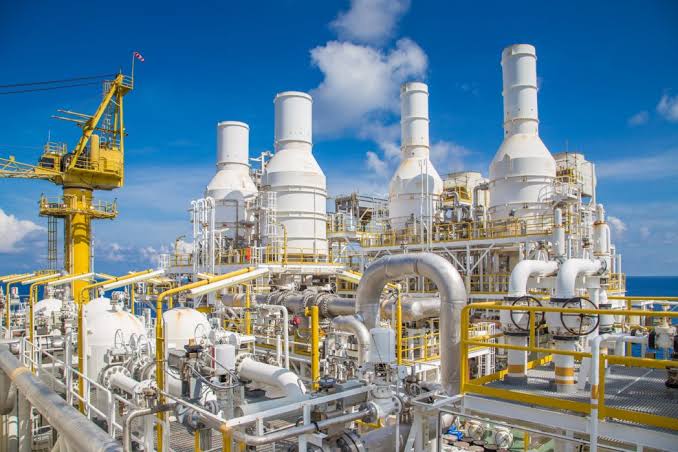
Water plays a vital role throughout the oil and gas value chain, including drilling activities, hydraulic fracturing, production processes, equipment cooling, and enhanced oil recovery operations. However, managing large volumes of produced water, contaminated wastewater, and operational water streams has become increasingly complex. This has accelerated the demand for advanced water treatment, recycling, and disposal solutions that enable energy companies to reduce environmental impact while improving operational efficiency.
As governments worldwide introduce stricter regulations related to water usage, discharge standards, and environmental sustainability, oil and gas operators are investing heavily in innovative water management technologies. These solutions not only support regulatory compliance but also help companies reduce costs, conserve freshwater resources, and achieve sustainability objectives.
Request For Sample Copy of Report For More Detailed Market insight
Industry Key Highlights
The Global Oil and Gas Water Management Services Market is expected to expand from USD 22.91 Billion in 2025 to USD 37.83 Billion by 2031.
The market is projected to grow at a CAGR of 8.72% between 2025 and 2031.
Increasing environmental regulations and water conservation initiatives are major factors driving market growth.
Growing adoption of advanced treatment technologies, including membrane filtration, is transforming water management practices.
The rising exploration of unconventional oil and gas resources is increasing demand for specialized water treatment services.
Digital technologies such as IoT, automation, and data analytics are enhancing real-time monitoring and operational efficiency.
Asia Pacific is emerging as one of the fastest-growing regions due to rising energy demand and expanding oil and gas activities.
Sustainability goals and ESG commitments are encouraging companies to implement efficient water reuse and recycling strategies.
Market Overview
The oil and gas industry generates significant quantities of wastewater and produced water during exploration, extraction, and processing activities. Produced water often contains hydrocarbons, dissolved minerals, chemicals, suspended solids, and other contaminants, making effective treatment essential before reuse or disposal.
Historically, oil and gas companies relied heavily on freshwater resources for operations and conventional disposal methods for wastewater management. However, increasing water scarcity, environmental concerns, and regulatory pressure have encouraged the industry to adopt advanced water management solutions.
Modern oil and gas water management services include water treatment, wastewater management, produced water management, water recycling, and disposal solutions. These services help operators optimize water usage, minimize environmental risks, and improve overall operational sustainability.
The growing adoption of unconventional oil and gas extraction methods, particularly shale exploration and hydraulic fracturing, has further increased demand for specialized water management solutions. These activities require substantial volumes of water, creating challenges related to sourcing, treatment, storage, and reuse.
Additionally, the integration of digital technologies is reshaping the industry by enabling predictive monitoring, automated treatment processes, and data-driven decision-making. These advancements are improving efficiency while reducing operational expenses.
Key Drivers of the Oil and Gas Water Management Services Market
Increasing Environmental Regulations and Sustainability Requirements
One of the primary factors driving the growth of the oil and gas water management services market is the implementation of stringent environmental regulations worldwide. Governments and regulatory bodies are increasingly enforcing strict guidelines regarding wastewater discharge, freshwater consumption, and contamination prevention.
Oil and gas companies are under growing pressure to adopt sustainable practices and reduce their environmental footprint. Advanced water management solutions allow operators to comply with regulations while minimizing ecological risks associated with oilfield wastewater.
The growing importance of Environmental, Social, and Governance (ESG) commitments is also encouraging companies to prioritize responsible water management strategies. Investors and stakeholders are increasingly evaluating companies based on their sustainability performance, further accelerating adoption of efficient water management systems.
Rising Demand for Water Recycling and Reuse Solutions
Water scarcity has become a significant challenge for oil and gas operations, particularly in regions with limited freshwater availability. As access to freshwater resources becomes increasingly constrained, companies are turning toward water recycling and reuse technologies.
Advanced treatment solutions enable operators to recover and reuse water for drilling, hydraulic fracturing, and other industrial applications. This reduces dependence on external water sources while lowering wastewater disposal costs.
The adoption of water reuse strategies not only improves operational efficiency but also supports long-term sustainability objectives, making it a key growth driver for the market.
Expansion of Unconventional Oil and Gas Exploration
The increasing exploration of unconventional resources, including shale oil and gas, is creating substantial opportunities for water management service providers.
Hydraulic fracturing operations require large quantities of water, generating significant volumes of wastewater that require effective treatment and management. As unconventional exploration expands across regions such as North America and Asia Pacific, demand for specialized water management services is expected to increase.
Companies are increasingly adopting advanced treatment technologies to manage complex water streams associated with unconventional extraction activities.
Emerging Trends in the Oil and Gas Water Management Services Market
Integration of Digital Technologies
Digital transformation is becoming a major trend within oil and gas water management operations. Technologies such as Internet of Things (IoT), artificial intelligence, automation, and advanced analytics are enabling companies to monitor water quality, optimize treatment processes, and improve resource utilization.
Smart sensors and connected systems allow real-time tracking of water parameters, helping operators identify issues quickly and improve operational performance.
Artificial intelligence-based analytics are also supporting predictive maintenance and decision-making by analyzing large volumes of operational data.
Growth of Advanced Filtration Technologies
The demand for efficient and environmentally friendly treatment technologies is driving the adoption of advanced filtration systems. Technologies such as reverse osmosis, ultrafiltration, and nanofiltration are gaining popularity due to their ability to remove contaminants effectively.
These systems offer improved efficiency, lower operating costs, and better water recovery rates compared to traditional treatment methods.
As oil and gas companies continue focusing on sustainability, advanced filtration technologies are expected to play a central role in future water management strategies.
Increasing Focus on Zero Liquid Discharge Solutions
Zero liquid discharge (ZLD) technologies are gaining attention as companies seek to minimize wastewater generation and eliminate harmful discharge.
ZLD systems enable operators to recover valuable water resources while reducing environmental impact. This trend is particularly important in regions facing severe water scarcity and strict environmental regulations.
Technology Analysis: Membrane Filtration Segment
Based on technology, the Membrane Filtration segment held the largest market share in 2025 and is expected to maintain strong growth throughout the forecast period.
Membrane filtration technologies, including reverse osmosis (RO), ultrafiltration (UF), and nanofiltration (NF), are widely used for treating produced water and wastewater generated during oil and gas operations.
The increasing adoption of membrane filtration is primarily driven by its ability to efficiently remove dissolved solids, hydrocarbons, microorganisms, and other contaminants from complex water streams.
Compared with conventional treatment methods, membrane filtration provides higher purification efficiency, improved water recovery rates, and greater flexibility for industrial applications.
Technological advancements, including improved membrane materials, enhanced fouling resistance, and energy-efficient designs, are further supporting segment growth.
The growing need for water reuse, particularly in regions experiencing water shortages, is also accelerating demand for membrane filtration solutions. These technologies allow companies to recycle treated water for operational activities, reducing freshwater dependency.
Furthermore, the integration of automation and digital monitoring systems with membrane filtration technologies is improving system performance and reliability.
Regional Analysis: Asia Pacific Market Outlook
The Asia Pacific region is emerging as one of the fastest-growing markets for oil and gas water management services. Rapid industrialization, increasing energy consumption, and expanding oil and gas exploration activities are driving demand for advanced water management solutions.
Countries such as China, India, Indonesia, and Malaysia are investing in domestic energy production and offshore exploration projects, increasing the need for effective produced water treatment and wastewater management systems.
Water scarcity concerns and stricter environmental regulations are encouraging companies across the region to adopt technologies such as reverse osmosis and ultrafiltration.
Government initiatives supporting water conservation and wastewater treatment infrastructure development are further strengthening market opportunities.
As Asia Pacific continues to balance rising energy demand with environmental sustainability goals, the region is expected to become a significant contributor to global market growth.
Competitive Landscape
Veolia Environnement S.A.
SUEZ S.A.
Schlumberger Limited
Halliburton Company
Xylem Inc.
Fluor Corporation
AquaVenture Holdings Limited
Pentair plc
Badger Meter, Inc.
Aquatech International
Customers can also request 10% free customization in this report.
Future Outlook
The Global Oil and Gas Water Management Services Market is expected to witness sustained growth in the coming years as energy companies prioritize sustainability, regulatory compliance, and operational efficiency.
The increasing adoption of membrane filtration technologies, digital monitoring solutions, and water recycling systems will create significant growth opportunities for market players.
Future developments are expected to focus on improving treatment efficiency, reducing energy consumption, and enabling greater water reuse across oil and gas operations.
The growing emphasis on ESG practices and environmental responsibility will further encourage companies to invest in advanced water management infrastructure.
As the oil and gas industry continues evolving toward more sustainable operations, water management services will remain a critical component of achieving long-term environmental and operational goals.
10 Benefits of the Research Report
Provides comprehensive insights into the global oil and gas water management services market size and forecast.
Helps businesses identify emerging market trends and growth opportunities.
Offers detailed analysis of key market drivers, challenges, and opportunities.
Provides segmentation analysis based on service type, application, technology, and region.
Supports strategic decision-making through competitive landscape analysis.
Helps investors understand future market potential and investment opportunities.
Provides insights into technological advancements shaping the industry.
Enables companies to analyze competitor strategies and market positioning.
Supports business expansion planning across high-growth regions.
Helps stakeholders develop effective strategies aligned with sustainability trends.
Contact US:
Techsci Research LLC
420 Lexington Avenue, Suite 300,
New York, United States- 10170
Tel: +13322586602
Email: [email protected]
Comments
Log in or sign up to join the conversation.