

The global energy industry is undergoing a significant transformation driven by increasing environmental awareness, stringent regulatory frameworks, and the need to improve operational efficiency across oil and gas infrastructure. Among the critical components supporting this transformation is pipeline leak detection technology, which has emerged as an indispensable solution for ensuring the safe transportation of hydrocarbons across extensive pipeline networks.
According to TechSci Research report, “Global Oil and Gas Pipeline Leak Detection Market - Industry Size, Share, Trends, Opportunity, and Forecast 2021-2031”, The Global Oil and Gas Pipeline Leak Detection Market will grow from USD 2.71 Billion in 2025 to USD 3.47 Billion by 2031 at a 4.21% CAGR.
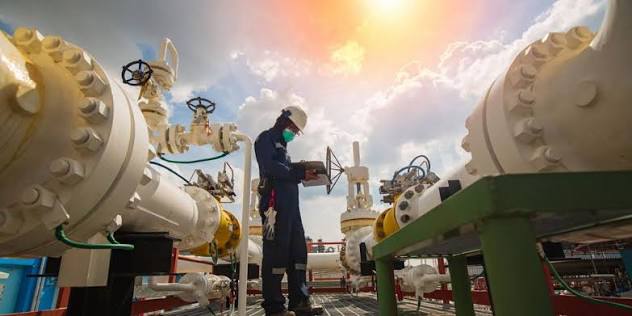
Pipelines remain the backbone of the global oil and gas transportation network. Stretching across thousands of kilometers through diverse terrains, these assets transport crude oil, natural gas, refined petroleum products, and petrochemicals from production sites to processing facilities and end-users. However, pipeline leaks continue to pose significant challenges, resulting in financial losses, environmental damage, operational disruptions, and reputational risks.
Consequently, oil and gas operators worldwide are investing heavily in advanced leak detection systems capable of identifying leaks quickly, accurately, and efficiently. Modern leak detection technologies not only reduce the risk of catastrophic failures but also support sustainability initiatives and improve asset integrity management.
As governments, regulators, investors, and communities increasingly demand safer and cleaner energy operations, the importance of sophisticated leak detection solutions is expected to rise significantly over the coming years.
Request For Sample Copy of Report For More Detailed Market insight: https://www.techsciresearch.com/sample-report.aspx?cid=16548#requestform
Industry Key Highlights
Global Oil and Gas Pipeline Leak Detection Market valued at USD 2.71 Billion in 2025.
Market projected to reach USD 3.47 Billion by 2031.
Expected CAGR of 4.21% during the forecast period.
Growing environmental concerns driving technology adoption.
Rising investments in pipeline infrastructure modernization.
Increasing implementation of AI-powered monitoring systems.
Acoustic Emission technology expected to dominate external leak detection methods.
Onshore segment projected to maintain market leadership.
North America expected to remain a major regional market.
Growing integration of IoT, fiber optics, machine learning, and predictive analytics into leak detection systems.
Introduction to Pipeline Leak Detection Systems
Pipeline leak detection systems are specialized technologies designed to identify, locate, and monitor leaks occurring within oil and gas transportation networks. These systems utilize a variety of monitoring methods including pressure analysis, acoustic sensing, fiber optics, mass balance calculations, thermal imaging, and real-time transient monitoring.
The primary objective of leak detection systems is to provide early warning signals that enable operators to take corrective actions before leaks escalate into major incidents.
In today's highly regulated energy environment, leak detection solutions have evolved from optional monitoring tools to mission-critical operational assets. Advanced systems provide real-time visibility into pipeline conditions, allowing operators to improve safety, reduce losses, and optimize maintenance activities.
As global pipeline networks continue to expand and age simultaneously, the need for intelligent monitoring solutions is becoming increasingly important.
Key Market Drivers
Growing Environmental Awareness and Sustainability Commitments
One of the strongest drivers fueling market growth is the increasing focus on environmental protection.
Pipeline leaks can have severe consequences for ecosystems, groundwater resources, wildlife habitats, and local communities. Oil spills and gas leaks often result in costly cleanup operations, legal liabilities, regulatory penalties, and long-term environmental damage.
Governments worldwide are strengthening environmental regulations and imposing stricter standards on oil and gas operators. As a result, companies are investing in advanced leak detection technologies that help minimize environmental risks and demonstrate their commitment to sustainable operations.
Environmental, Social, and Governance (ESG) initiatives are also influencing investment decisions across the energy sector. Leak detection systems play a vital role in helping organizations achieve sustainability targets and improve ESG performance.
Rising Financial Risks Associated with Pipeline Failures
Pipeline leaks can generate substantial financial losses due to product loss, operational downtime, remediation expenses, legal claims, and reputational damage.
Even relatively small leaks can result in significant economic consequences if they remain undetected for extended periods. Consequently, operators are increasingly prioritizing proactive monitoring solutions capable of detecting anomalies at an early stage.
Advanced leak detection technologies help companies reduce operational risks, protect assets, and avoid costly disruptions.
The growing recognition of leak detection as a strategic investment rather than a regulatory requirement is supporting long-term market growth.
Expansion of Global Pipeline Infrastructure
The global oil and gas industry continues to invest heavily in pipeline infrastructure to support rising energy demand and improve transportation efficiency.
New pipeline projects are being developed across North America, Asia Pacific, the Middle East, Africa, and Latin America. At the same time, aging pipeline networks require modernization and enhanced monitoring capabilities.
The expansion of pipeline infrastructure creates significant opportunities for leak detection solution providers as operators seek advanced systems to protect critical assets.
Stringent Regulatory Compliance Requirements
Regulatory authorities worldwide are imposing stricter requirements related to pipeline safety, environmental protection, and operational transparency.
Pipeline operators must increasingly demonstrate compliance through continuous monitoring, accurate reporting, and proactive risk management practices.
Leak detection technologies help organizations meet regulatory obligations while reducing the likelihood of accidents and penalties.
As regulations become more comprehensive, demand for sophisticated monitoring systems is expected to grow steadily.
Emerging Trends Reshaping the Market
Artificial Intelligence and Machine Learning Integration
Artificial Intelligence (AI) and Machine Learning (ML) are transforming the leak detection landscape.
Traditional monitoring systems often struggle to distinguish genuine leak events from normal operational fluctuations, leading to false alarms and inefficiencies.
Modern AI-powered systems analyze vast amounts of operational data in real time, identifying subtle patterns and anomalies that may indicate potential leaks. These technologies improve detection accuracy, accelerate response times, and reduce false positives.
Machine learning algorithms continuously improve system performance by learning from historical events and operational conditions.
As digital transformation accelerates across the energy sector, AI-enabled leak detection solutions are expected to witness substantial adoption.
Internet of Things (IoT)-Based Monitoring
The integration of IoT devices into pipeline infrastructure is revolutionizing leak detection capabilities.
Connected sensors installed along pipelines continuously collect data related to pressure, temperature, vibration, flow rates, and acoustic signals. This information is transmitted to centralized platforms where advanced analytics engines monitor pipeline health in real time.
IoT-enabled systems provide enhanced visibility, faster incident detection, and improved asset management capabilities.
The growing deployment of smart pipeline networks is expected to create significant opportunities for IoT-driven leak detection technologies.
Fiber Optic Leak Detection Technologies
Fiber optic sensing has emerged as one of the most promising innovations in pipeline monitoring.
These systems utilize optical fibers installed along pipelines to detect changes in temperature, vibration, and acoustic activity associated with leaks.
Fiber optic technologies offer several advantages including long-distance coverage, high sensitivity, real-time monitoring, and immunity to electromagnetic interference.
As operators seek more precise and reliable monitoring solutions, adoption of fiber optic leak detection systems continues to increase.
Cloud-Based Monitoring Platforms
Cloud computing is becoming increasingly important in the pipeline monitoring ecosystem.
Cloud-based platforms enable centralized management of leak detection data from multiple assets across geographically dispersed locations.
These platforms facilitate real-time collaboration, predictive analytics, remote monitoring, and automated reporting.
The transition toward cloud-enabled infrastructure is improving operational efficiency while reducing technology deployment costs.
Technological Advancements Driving Market Evolution
The leak detection market is benefiting from rapid technological innovation.
Modern systems incorporate advanced sensors, wireless communication networks, predictive maintenance algorithms, and digital twin technologies to improve monitoring capabilities.
The integration of thermal imaging, drone surveillance, satellite monitoring, and geospatial analytics is providing operators with new tools to identify and assess pipeline risks.
Digital twins are enabling organizations to create virtual replicas of pipeline networks, allowing operators to simulate operational scenarios, evaluate risks, and optimize maintenance strategies.
These advancements are enhancing leak detection accuracy while improving overall asset management effectiveness.
Regional Analysis
North America Leads Market Development
North America is expected to remain one of the most influential markets for oil and gas pipeline leak detection technologies.
The region possesses extensive pipeline infrastructure and maintains stringent regulatory frameworks governing pipeline safety and environmental protection.
Operators across North America are actively integrating advanced technologies including AI, machine learning, cloud computing, and fiber optic sensing into their monitoring systems.
Strong investments in infrastructure modernization and increasing emphasis on ESG compliance continue to support market growth.
Asia Pacific Emerging as a High-Growth Region
Asia Pacific is witnessing substantial investments in pipeline construction and energy infrastructure development.
Rapid industrialization, urbanization, and rising energy consumption are driving demand for safe and reliable transportation networks.
Countries such as China, India, Indonesia, and Australia are investing in advanced monitoring solutions to enhance pipeline safety and operational efficiency.
The region's expanding oil and gas sector presents significant opportunities for leak detection technology providers.
Competitive Analysis
Schneider Electric SE
Synodon Inc.
Siemens AG.
Flir Systems, Inc.
Atmos International Limited
ClampOn AS
TTK-Leak Detection System
Honeywell International Inc.
Pentair PLC
PSI AG
Customers can also request for 10% free customization on this report.
Future Outlook
The future of the Global Oil and Gas Pipeline Leak Detection Market remains highly promising as energy companies continue prioritizing safety, sustainability, and operational efficiency.
Technological advancements will play a defining role in market evolution. Artificial intelligence, machine learning, predictive analytics, digital twins, cloud computing, and IoT connectivity will become increasingly integrated into leak detection systems.
Environmental regulations are expected to become even more stringent, encouraging broader adoption of advanced monitoring solutions. Simultaneously, growing investments in energy infrastructure and pipeline modernization programs will create significant opportunities for market participants.
Organizations that embrace digital transformation and invest in intelligent leak detection technologies will be better positioned to reduce risks, improve operational performance, and achieve long-term sustainability goals.
10 Benefits of the Research Report
Provides comprehensive analysis of the Global Oil and Gas Pipeline Leak Detection Market.
Offers detailed market size estimates and future growth forecasts.
Identifies key market drivers and growth opportunities.
Evaluates emerging technology trends and innovations.
Analyzes segment-wise market performance.
Provides regional market insights and growth prospects.
Assesses competitive landscape and strategic developments.
Supports informed investment and business planning decisions.
Examines market challenges and risk factors.
Delivers actionable intelligence for stakeholders across the value chain.
Contact US:
Techsci Research LLC
420 Lexington Avenue, Suite 300,
New York, United States- 10170
Tel: +13322586602
Email: [email protected]
Web: https://www.techsciresearch.com/
Comments
Log in or sign up to join the conversation.